

UNESCO-listed Vineyards Of Pico Island
Vineyards on black lava rock in Azores, Portugal
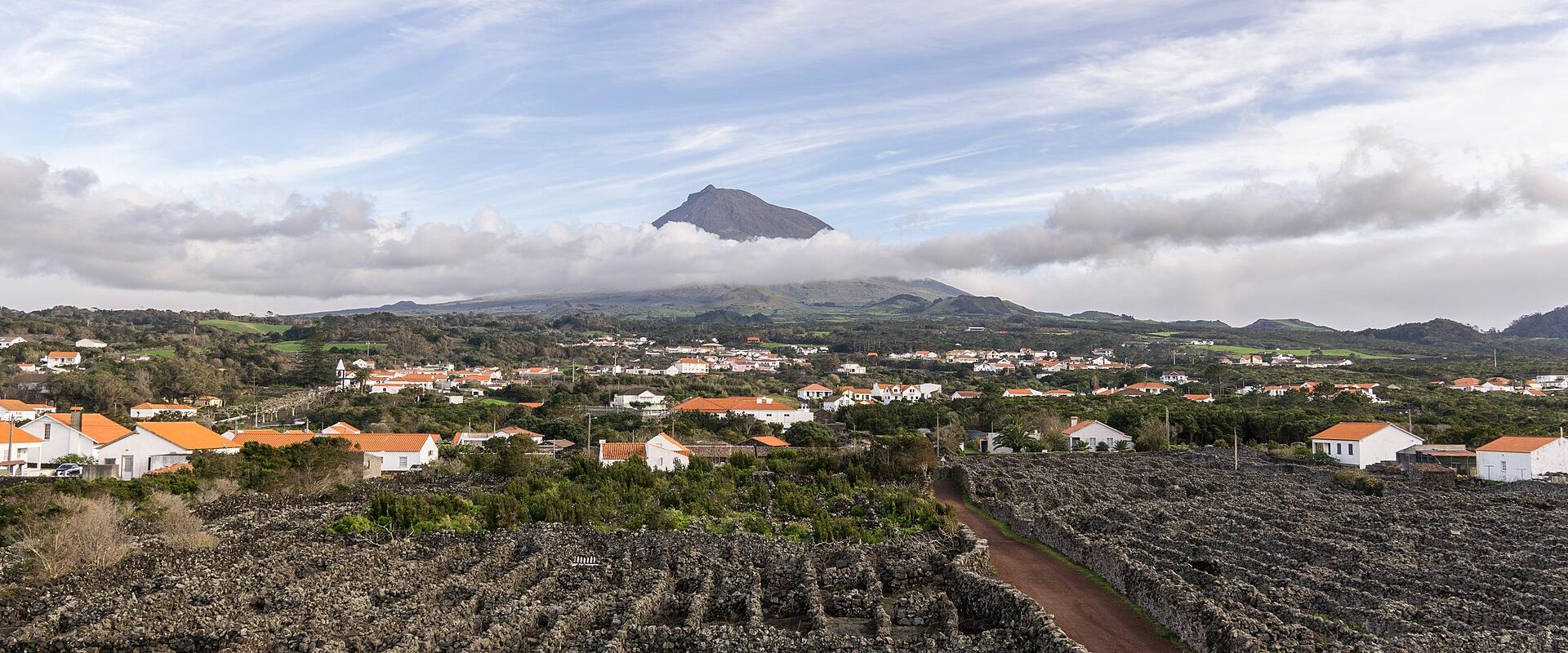
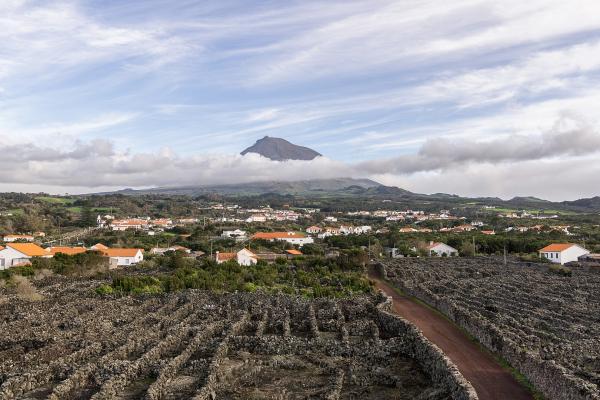
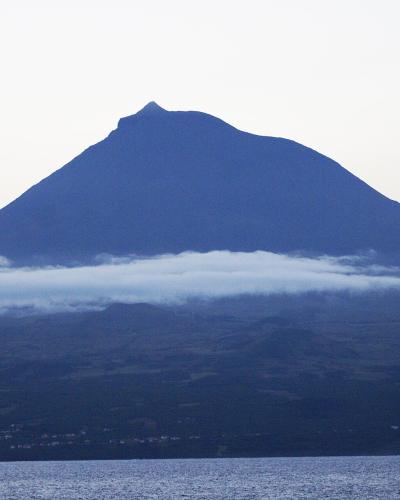
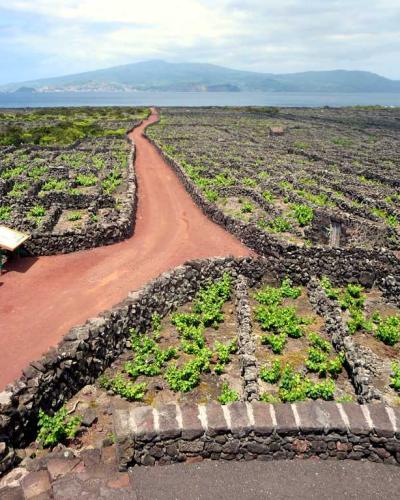
On Pico, the second-largest island in the Azores, vines grow where nothing else would. The island is one big volcano, topped by the mountain that reaches about 2,350 metres, the highest point in Portugal, and the lower slopes are covered with fields of black lava rock. Settlers who arrived in the 15th century cleared this stony ground by hand, piling the rocks into walls to make small enclosures, and planted vines inside them. The resulting pattern of tiny rectangles, repeated over a vast area along the coast, is a landscape that has no real equivalent elsewhere, and UNESCO inscribed it as a World Heritage site in 2004.
The enclosures are called currais, and the little plots inside them are the curraletas. The walls are built of dark basalt without mortar, and their purpose was to shelter the vines from wind and salt spray, to retain heat from the sun in the stone, and to protect the roots. Each enclosure is small, and the vines grow low among the rocks, in soil so thin that it hardly seems to exist. The area protected by the World Heritage designation covers around 987 hectares, along the north-west and south-west coast of the island, with the main core near Madalena, and the area at Criação Velha is one of the best places to see it.
Other features make up the cultural landscape. Small wine cellars, built of lava stone, stand among the fields, along with manor houses, churches, tracks and the stone ramps by which barrels of wine were rolled down to the sea to be loaded onto boats. In the 18th and 19th centuries, Pico's wine, especially the sweet verdelho, was exported widely, reaching Europe, Russia and North America. Disease devastated the vineyards in the 19th century, and the island's wine trade declined, but in recent decades there has been a revival, and the wines are again winning praise. Today, producers make crisp, mineral whites from varieties such as Verdelho, Arinto dos Açores and Terrantez, with a saline character that reflects the sea air.
Visitors can explore on foot or by car. Walking among the walls at the Criação Velha, with the sea beyond and the mountain overhead, is the best way to experience the scene, and there are marked trails and information points. The wine museum in Madalena tells the story of the industry and is housed in a former convent. Several producers offer tastings and visits, and it is wise to book ahead, especially in summer. The harvest takes place in late summer and early autumn, and it is a good time to see the island at work.
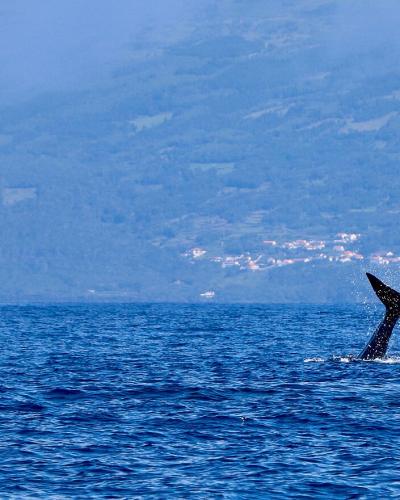
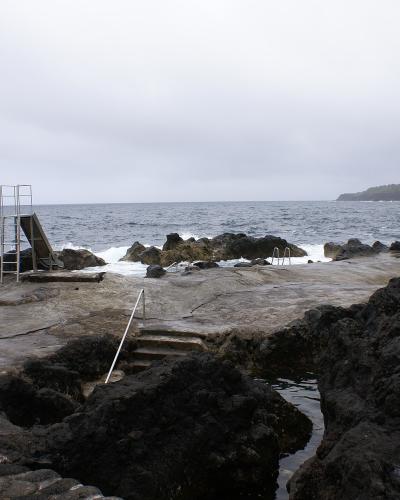
Pico is reached by a short ferry from Faial or by flights to the island's own airport. Whale watching, lava caves and swimming in natural lava pools are other draws, and you can combine them with the vineyards. The landscape suits wine lovers, walkers, photographers and anyone interested in how people have shaped a harsh place.
Categories
More photos coming soon
Nearby Attractions
Other places to visit in Pico
Frequently Asked Questions
Quick Facts
Best Time to Visit
May to October offers mild weather, lush vineyards, and optimal conditions for hiking, whale watching, and exploring Pico’s volcanic landscapes.