



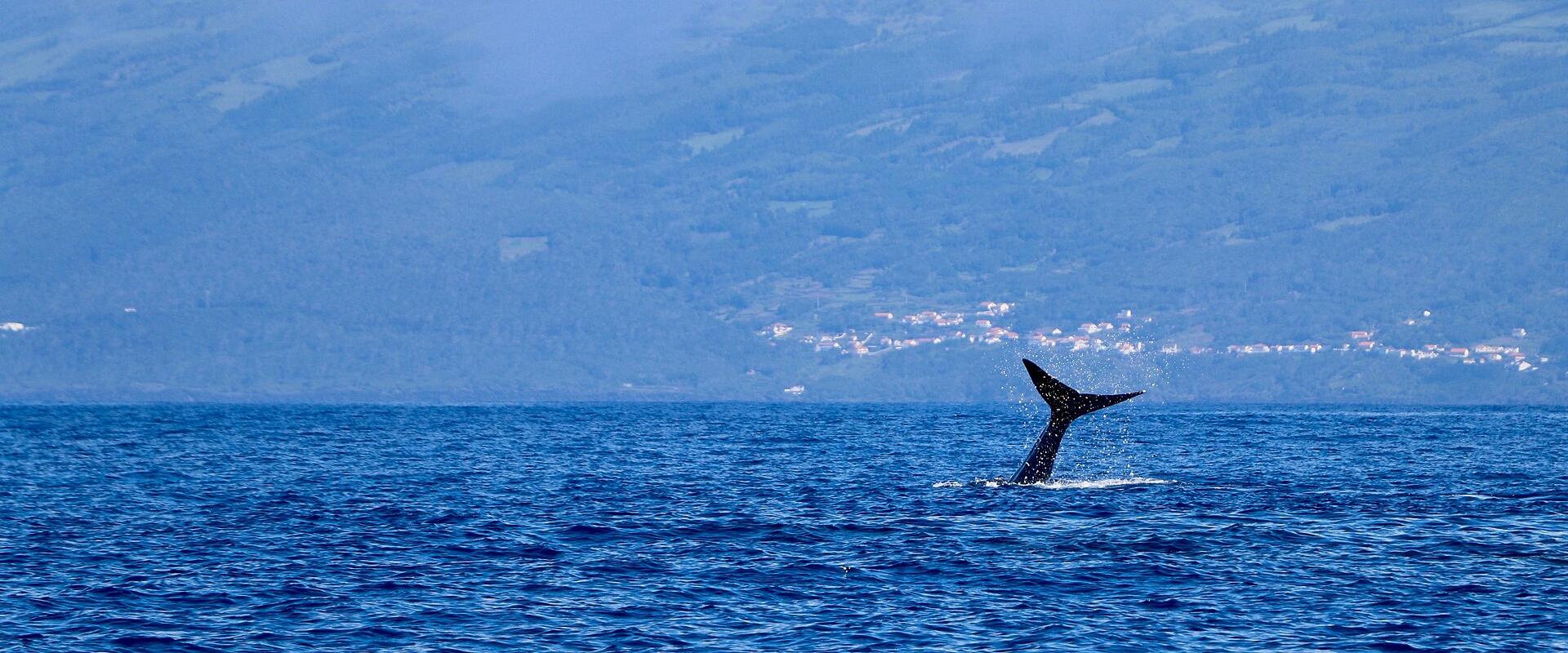
Pico and its neighbour Faial are among the best places in the world to watch whales and dolphins, and the reason lies beneath the surface. The Azores rise from a deep ocean floor, and the waters close to Pico fall quickly to depths of hundreds or thousands of metres. Currents and upwellings bring nutrients, and food for squid and fish, which in turn attract the great predators of the deep. The result is a sea where large marine mammals can be seen close to shore, in some cases within a few kilometres of the harbour.
The islands have a long history with whales. In the 19th and 20th centuries, whaling was an important local industry, and small open boats were rowed or sailed out from the shore to hunt sperm whales with hand-thrown harpoons. Whaling in the Azores ended in the 1980s, and the old lookout posts on the hillsides, the vigias, have been given a new role. Spotters still watch the sea from these towers, now using binoculars and radios to call tour boats when whales appear. That local knowledge is one of the reasons for the high success rate of the trips here. Tour operators set out when a sighting has been reported, which means that departure times can be flexible.
The most commonly seen species is the sperm whale, which lives in the area all year round, with females and young animals often seen together. Other species include blue whales and fin whales, which pass through in spring, as well as sei whales and pilot whales. Dolphins are frequent, including common, bottlenose, Atlantic spotted, striped, and Risso's. Sightings are never guaranteed, but the chances are good, and trips usually take about three hours.
Tours leave from the harbour at Madalena on Pico and from Horta on Faial, and booking in advance is wise, especially in summer. The main season runs from April to October, though some trips operate year-round. The sea can be rough, so those prone to seasickness should take precautions, and warm, windproof clothing and sun protection are advisable. Guides explain the animals and follow rules designed to avoid disturbing them, which keeps boats at a respectful distance.
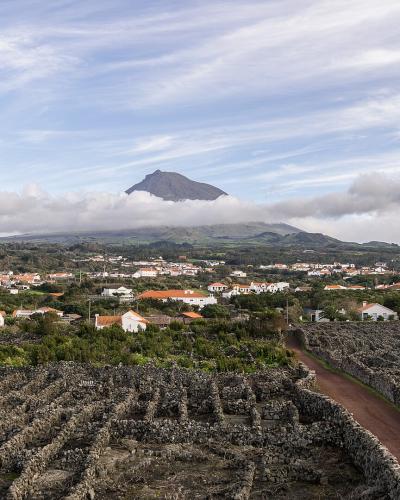
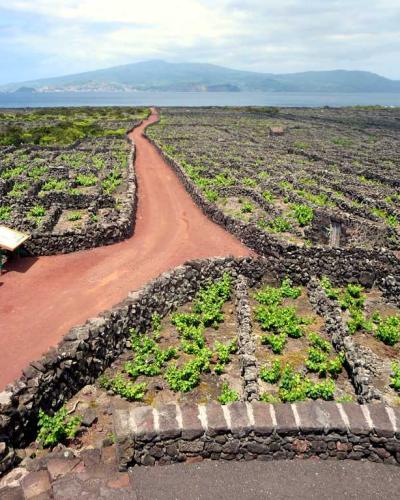
The experience suits nature lovers, families with older children, and photographers. It is among the highlights of a visit to the central Azores, and combines well with a climb of the mountain or a visit to the lava vineyards.
Categories
More photos coming soon
Opening Hours
Hours
Departs 2 hours after land-based watchmen spot whales.
Nearby Attractions
Other places to visit in Pico
Frequently Asked Questions
Quick Facts
Best Time to Visit
May to October offers mild weather, lush vineyards, and optimal conditions for hiking, whale watching, and exploring Pico’s volcanic landscapes.