



University Of Coimbra (UNESCO Site)
Portugal's oldest university, a UNESCO World Heritage site.
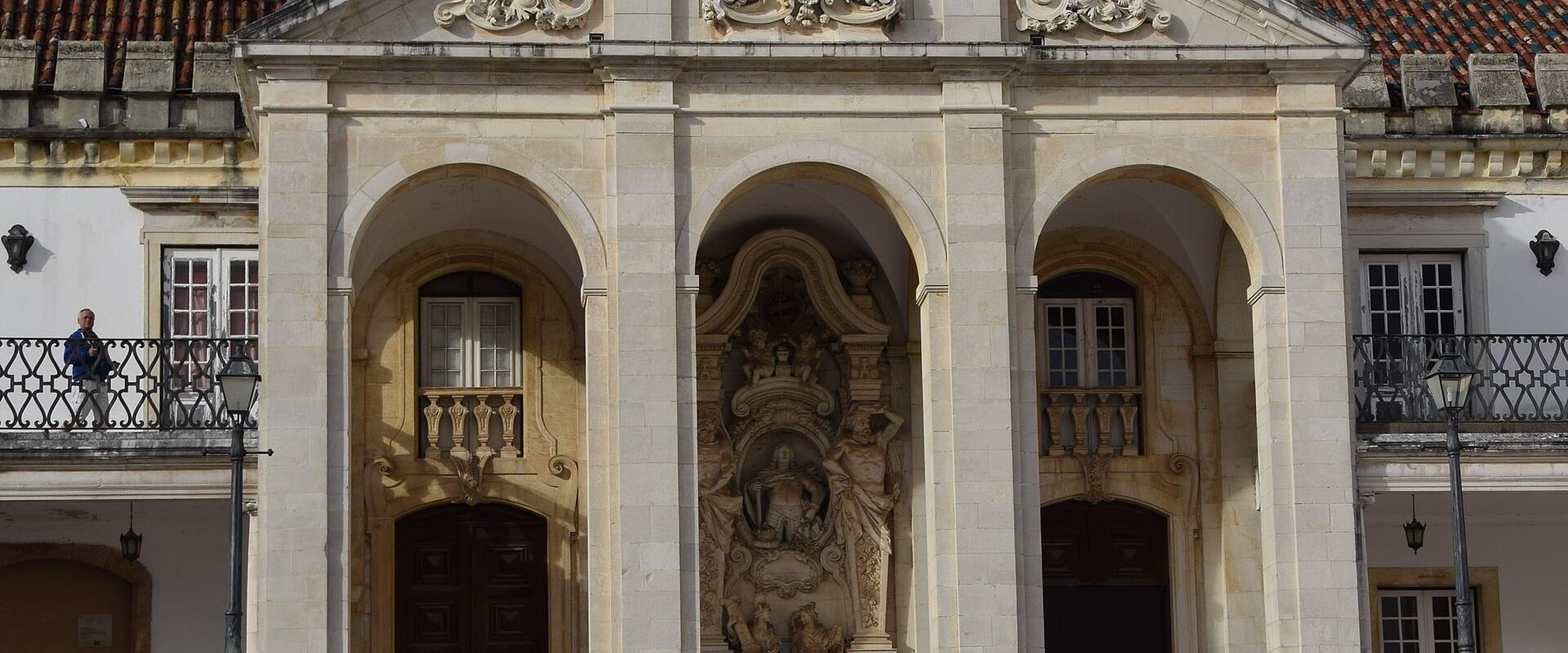
The University of Coimbra is the oldest university in Portugal and one of the oldest in Europe, and it has shaped the city for more than seven hundred years. It was founded in 1290 by King Dinis, who established a Studium Generale in Lisbon and, a few years later, moved it for the first time to Coimbra. For several centuries, the university moved back and forth between the two cities, until in 1537 King João III installed it permanently in Coimbra, in the old royal palace on the hill. The university's old buildings, together with the streets of the Alta and Sofia districts, were listed by UNESCO as a World Heritage site in 2013.
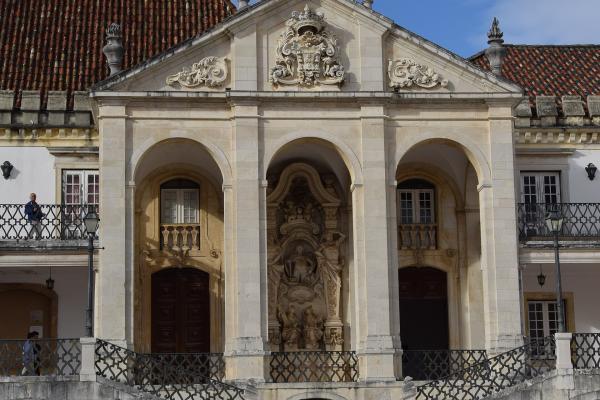
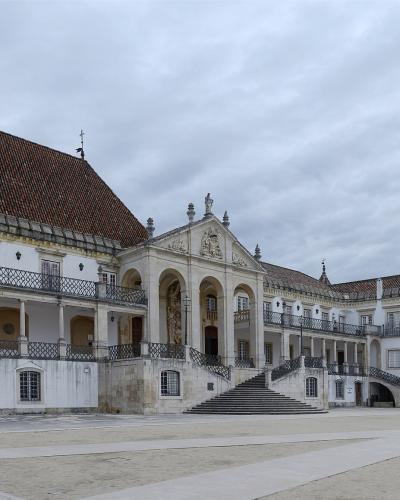
The core of the old university is the Paço das Escolas, the courtyard of the former royal palace, which opens onto a terrace with sweeping views over the Mondego river and the lower town. The courtyard is surrounded by buildings of different periods: the Via Latina, a Neoclassical gallery of the 20th century, the university tower, built in the 18th century and nicknamed the goat for the sound of its bell, and the Iron Gate, the Porta Férrea, a 17th-century gateway that serves as the main entrance. A statue of King João III stands in the middle. Inside, the Sala dos Capelos, the great ceremonial hall, the Examination Room, the Chapel of São Miguel and the Joanina Library can be visited with a ticket.
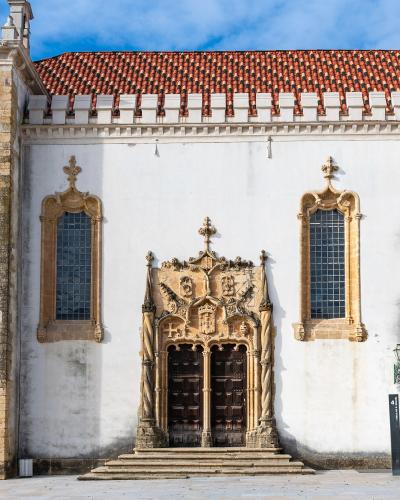
The Joanina Library is the best-known room. Built between 1717 and 1728 under King João V, it is a Baroque masterpiece, three interconnected halls with painted ceilings, gilded and painted bookcases, and a rich display of carved wood. It holds tens of thousands of volumes of rare books, mostly from the 16th to the 18th centuries, and, according to tradition, a colony of bats lives behind the shelves and eats insects that might damage the paper. The chapel next door, which dates from the 16th century, has a Manueline portal, walls covered in tiles and a Baroque organ.
The university's culture is as important as its buildings. Students at Coimbra wear a distinctive academic dress, a black suit and cape, and follow a set of traditions known as the praxe. The Queima das Fitas, the burning of the ribbons, a week of festivities in May that marks the end of the academic year, fills the city with processions and concerts. The old student songs and the Fado of Coimbra, a style sung by men in capes, usually at night and with a serenade character, are part of this heritage. Visiting during term time lets you see the students in their capes crossing the courtyards.
Tickets can be bought at the entrance or online, and a combined ticket is common, with timed entry for the library. Allow two to three hours. The climb from the lower town is steep, so wear comfortable shoes. The university suits history lovers, book lovers and anyone interested in the traditions of student life in Portugal.
Categories
More photos coming soon
Nearby Attractions
Other places to visit in Coimbra
Frequently Asked Questions
Quick Facts
Best Time to Visit
Spring (March-May) and autumn (September-October) offer warm, pleasant weather and vibrant city life for exploring Coimbra’s historic sites and gardens.