
The Douro Valley from the Water
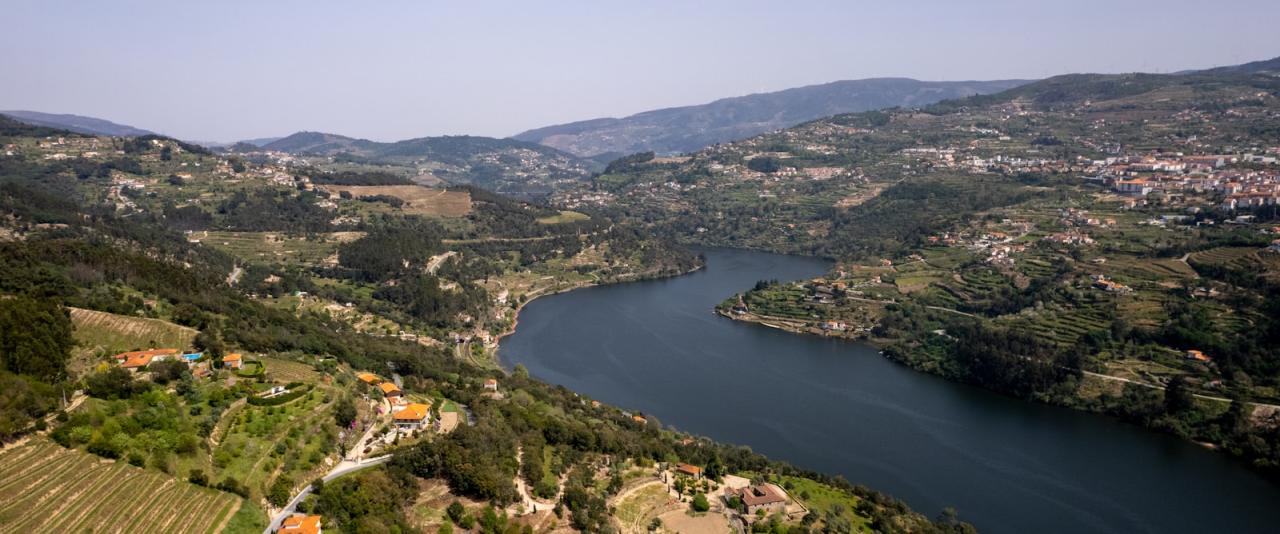
The Douro rises in Spain and reaches the Atlantic at Porto. Upstream, in the Alto Douro, steep slopes have been terraced for vines over centuries, and the Alto Douro Wine Region was inscribed as a UNESCO World Heritage Site in 2001. Seeing it from the river shows the scale of those terraces in a way that roads cannot, which is why boat trips are one of the most popular ways for couples to experience the region. The options range from an hour on the water to a week aboard a river ship, so the first decision is how much time you have.
Short Cruises in Porto
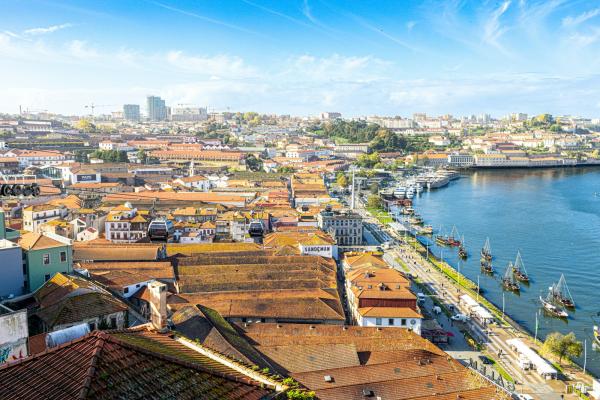
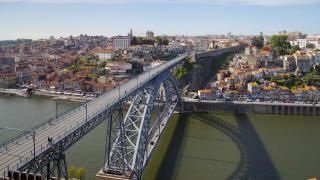
The simplest option is a short sightseeing cruise from the Ribeira or Vila Nova de Gaia waterfronts, usually called a six-bridges cruise. It takes under an hour, runs frequently through the day, and passes under the bridges that link Porto and Gaia, including the Dom Luís I Bridge. It does not reach the vineyards, but it pairs well with an afternoon at the port lodges in Gaia and dinner on the riverfront.
Day Cruises from Porto to the Valley
Several operators run full-day cruises between Porto and Peso da Régua or Pinhão, usually travelling one way by boat and the other by train or coach, with meals on board. These trips pass through locks, including the one at the Carrapatelo dam, which with a lift of up to 35 metres is among the highest river locks in Europe. The boat section is long and the first part of the route is less dramatic than the upper valley, so read the itinerary carefully: some couples prefer to travel to the valley by train and take a shorter cruise there instead.
Short Trips from Régua and Pinhão
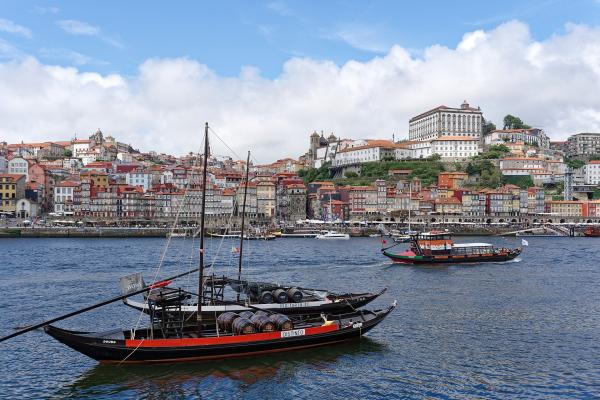
In the heart of the wine country, short boat trips leave from Peso da Régua and Pinhão. Many use traditional-style rabelo boats, the flat-bottomed craft that once carried port barrels downriver before dams in the 1950s and 1960s ended that trade. A trip of an hour or two from Pinhão passes terraced quintas and is the easiest way to get on the water in the most scenic stretch. Private boat hire, including small yachts with a skipper, is also available here for couples who want the boat to themselves.
Pinhão is reached on the Douro line from Porto São Bento, a scenic train ride that follows the river for much of the way. The station at Pinhão is known for its azulejo tile panels showing scenes of the region.
Multi-Day River Cruises
International river-cruise lines run itineraries of around a week on the Douro, typically sailing from Porto upriver towards the Spanish border, with excursions to quintas, towns such as Lamego, and sometimes a day trip to Salamanca in Spain. The river has five navigable dams with locks in Portugal (Crestuma-Lever, Carrapatelo, Régua, Valeira and Pocinho), which define how far ships can go. These cruises suit couples who want everything arranged; the trade-off is a fixed schedule and less time in any single quinta.
Wine on and off the Boat
Most cruises include a glass of port or a tasting, but the real wine experience is on land. Many quintas around Pinhão and Régua offer tours and tastings, usually by appointment, and several have rooms, which makes an overnight stay in the valley a good complement to a boat trip. The region produces both port and unfortified Douro DOC red and white wines.
When to Go
The cruise season generally runs from spring to autumn. September and early October is harvest time, when the vineyards are busiest and quintas may run harvest activities. Spring brings green terraces and milder temperatures. High summer can be very hot in the upper valley, often well over 35°C, so look for boats with shaded decks and plan land visits early or late in the day. Book ahead for weekends and the harvest period, when the best boats and quinta rooms fill up.
For a weekend with no car, a simple plan is to take an early train from Porto São Bento to Pinhão, spend the late morning on a short boat trip, visit a quinta for lunch and a tasting, and stay overnight in the valley before returning the next afternoon. Couples with more time can add Régua and the Museu do Douro, or continue upriver by train to Pocinho, where the line now ends, for the quieter upper reaches of the valley.