




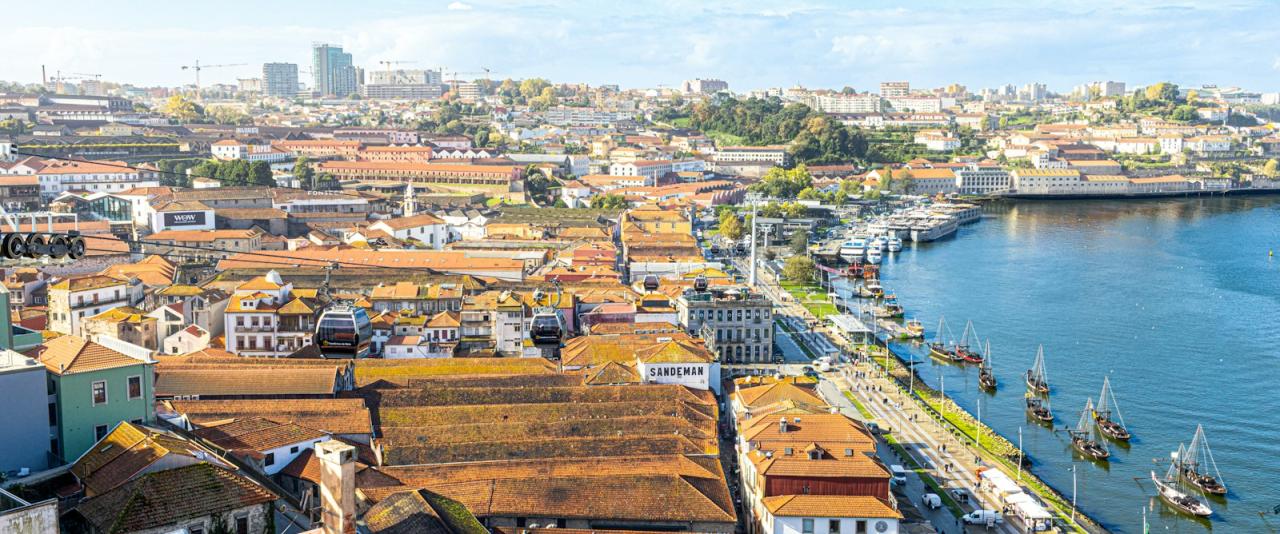
Why Porto Is a Wine Destination
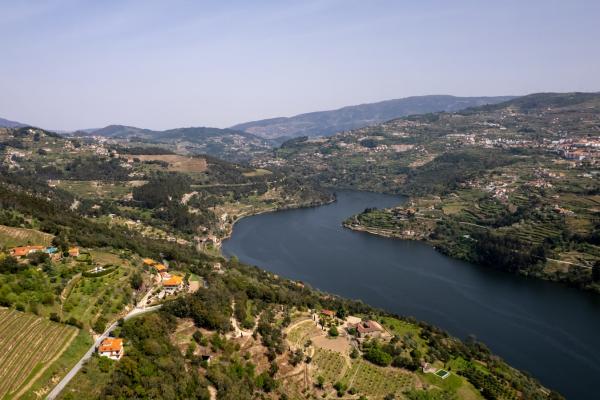
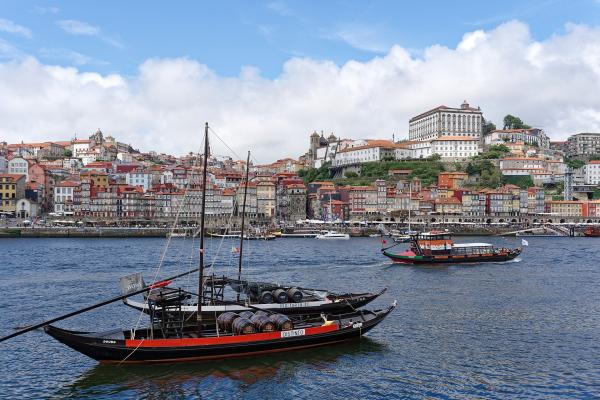
Port is a fortified wine made from grapes grown in the Douro Valley, inland from Porto. Fermentation is stopped by adding grape spirit, which leaves natural sweetness and raises the alcohol to around 19 to 22 percent. The Douro was set up as a protected wine region in 1756 under the Marquis of Pombal, one of the oldest demarcations in the world, and the Port and Douro Wines Institute (IVDP) still regulates production and approves vintage declarations. For centuries the wine was shipped downriver and aged in lodges in Vila Nova de Gaia, across the river from Porto, and until 1986 port could only be exported from Gaia. Many of those lodges now receive visitors.
Understanding the Styles
Knowing the main categories makes tastings far more rewarding:
- Ruby: young, fruity and deep red, aged mainly in large vats or tanks. Reserve ruby is a better selection approved by the IVDP tasting panel.
- LBV (Late Bottled Vintage): wine from a single year, bottled four to six years after harvest. Filtered LBVs are ready to drink; unfiltered ones may need decanting.
- Vintage: made only in years the producer declares, from that year's grapes, bottled after about two years and meant to age in bottle for decades. It is a small share of all port.
- Tawny: aged in smaller wooden casks, where slow oxidation turns it amber with nutty, dried-fruit flavours. Aged tawnies carry an indication of 10, 20, 30, 40 or 50 years, which describes the style of the blend rather than a minimum age.
- Colheita: a tawny from a single harvest, aged at least seven years in wood, with the year on the label.
- White and rosé: white port ranges from dry to sweet; rosé port is a recent style first released in 2008.
Visiting the Lodges in Vila Nova de Gaia
The lodges line the riverfront and climb the streets behind it. Many of the large historic houses, such as Taylor's, Graham's, Sandeman, Cálem, Ferreira, Cockburn's and Ramos Pinto, offer tours of their cellars followed by a tasting, and several run more expensive tastings of aged tawnies or vintage ports. Prices, durations and languages vary widely between houses and change seasonally, so compare current options on each lodge's own website and book ahead in summer, when tours fill up. Some lodges are at the waterfront; others, such as Graham's and Taylor's, are uphill, which is a steep walk but often comes with a view back over Porto.
The World of Wine (WOW) complex in Gaia combines museums on wine and other themes with restaurants and bars, and suits anyone who wants context before or after a tasting.
How to Taste Port
- Start with white or ruby and move towards tawnies and vintage, from lighter to more complex.
- Compare a 10-year and a 20-year tawny side by side; the difference in colour and flavour is the clearest lesson in how wood ageing works.
- Serve tawny and white port slightly chilled, ruby and vintage at cool room temperature.
- White port with tonic, ice and a slice of lemon or mint is a common aperitif in Porto.
- Port is high in alcohol. Spit or share pours if you are doing more than one tasting in a day.
Getting to the Douro Valley
The vineyards themselves are about 100 km east of Porto. The Douro railway line, completed in 1887, runs along the river from Porto São Bento to Peso da Régua, Pinhão and Pocinho, and the stretch beyond Régua is one of the most scenic train rides in Portugal. Pinhão is often described as the heart of port production and has several quintas that receive visitors by appointment. The Museu do Douro in Régua covers the region's history. Organised day tours from Porto are an alternative if you want to taste without driving.
Beyond Port
The Douro also produces unfortified red and white wines under the Douro DOC, and north of Porto the Vinho Verde region produces light, fresh whites. Many wine bars in Porto pour both alongside port, which makes it easy to taste across the whole north of Portugal in one evening.
If you want to bring bottles home, buy at the lodges or at specialist wine shops in central Porto, where staff can explain the differences between categories. Wrap bottles well for checked luggage, because bottles over the liquids limit cannot pass airport security in hand luggage. Opened bottles of ruby and LBV keep for about a week or two in the fridge, while tawnies hold their character for longer, which matters if you are buying for a holiday apartment rather than to take home.