
A pousada is a hotel in Portugal's state-founded network of inns, most of them in historic buildings: castles, monasteries, convents and palaces. There are 35 Pousadas de Portugal, from the Azores to the Algarve, and since 2003 the Pestana Group has run them. The first, in Elvas, opened in 1942. In the 1950s the network began converting castles, convents and palaces, many of them ruined at the time, and that is still what people mean when they talk about "staying in a pousada": a night in the castle at Óbidos or in the monks' cells of a convent in Évora.
This guide explains what to expect, picks out notable pousadas region by region, and covers booking and the alternatives if the pousada in a town is full or over budget.
Quick facts (checked October 2026)
- How many: 35 pousadas, listed on the official site, pousadas.pt.
- Who runs them: the Pestana Group, under the Pousadas de Portugal brand, since 2003.
- Types: the site sorts them into Monument, Historic and Charming hotels. Not every pousada is in a monument; some are newer buildings chosen for their setting.
- Prices: set by date, like any hotel. Examples of "from" prices on the official site in October 2026: Pousada Convento Évora from €97 a night, Pousada Castelo Óbidos from €153, Pousada Lisboa from €247.
- Age discounts: we found no senior or youth discount on the official offers page in October 2026; the current offers are listed below.
What is a pousada in Portugal?
The word means "inn" or "resting place". The network was set up in the 1940s as state-run inns with a Portuguese character. The idea came from António Ferro, and the first pousada opened at Elvas in the Alentejo in 1942. In the 1950s the network moved into historic buildings, restoring castles, convents and palaces as hotels. Óbidos castle became a pousada in 1951, the first in a classified heritage building. In 2003 the management passed to the Pestana Group, which modernised the network and added new pousadas.
In practice a pousada is a full-service hotel with a restaurant, usually serving regional food, often with a pool, and with the building as the main attraction. Rooms in converted monasteries are often former monks' cells, so they vary in size and shape; ask for details when you book if that matters to you.
Not every pousada is a monument. The official site labels each one as a Monument Hotel, a Historic Hotel or a Charming Hotel. Pousada Marvão, for example, is made up of four small traditional houses inside the village walls and was one of the first pousadas, built in the 1940s. Pousada Caniçada in Gerês is also listed as a Charming Hotel.
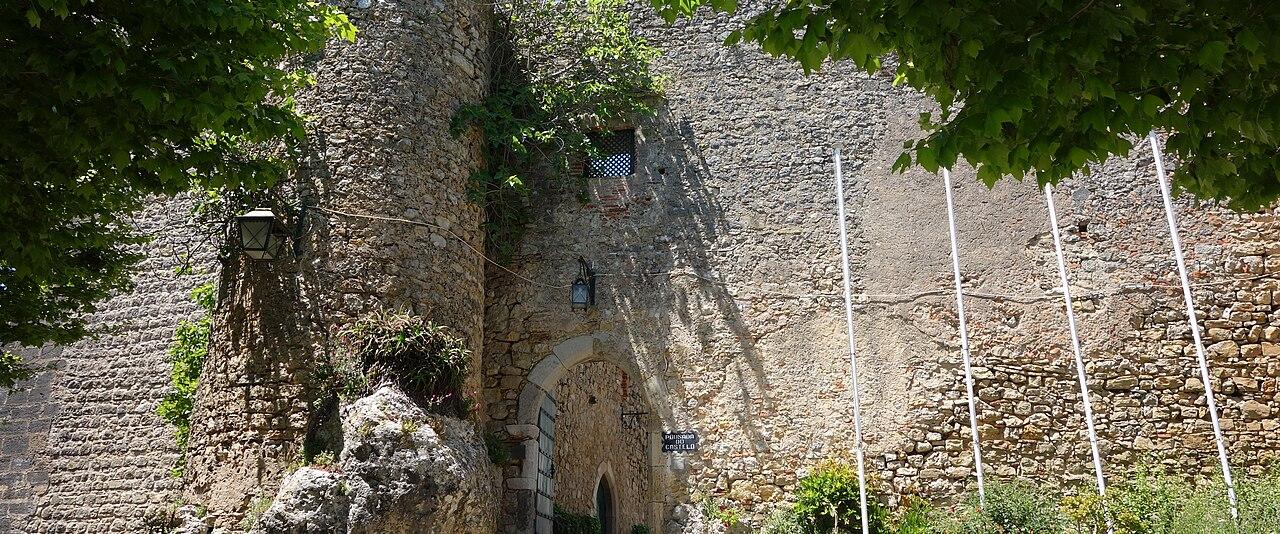
 The entrance to the Pousada dos Lóios in Évora, a converted 15th-century convent next to the cathedral and the Roman temple. Image: Vitor Oliveira from Torres Vedras, PORTUGAL, CC BY-SA 2.0, via Wikimedia Commons.
Notable pousadas by region
Alentejo
The Alentejo has the largest group of historic pousadas, and you can build a road trip around them.
- Pousada Convento Évora (Pousada dos Lóios). A former convent between Évora's Gothic cathedral and the Roman temple, near Praça do Giraldo, in the city's World Heritage centre. The rooms are the old monks' cells, almost all different, and the outdoor pool is in the cloister courtyard.
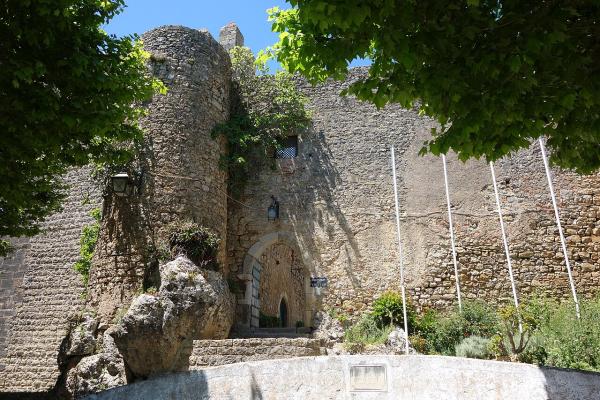
- Pousada Castelo Estremoz. Inside the castle built in the 13th century by King Dinis for Queen Isabel, in the historic centre of Estremoz. The keep, the Torre de Menagem, has views across the Alentejo plain.
- Pousada Mosteiro Crato. In the monastery of Flor da Rosa in the Alto Alentejo, with an outdoor pool and a bar in the monks' former refectory.
- Pousada Convento Vila Viçosa, Pousada Convento Arraiolos and Pousada Castelo Alcácer do Sal are further convent and castle conversions in the region. At Vila Viçosa the restaurant is in the old convent refectory, with restored frescoes on the walls and ceilings.
 The walls of Estremoz castle, home of the Pousada Castelo Estremoz. Image: Joseolgon, CC BY-SA 4.0, via Wikimedia Commons.
 The monastery of Flor da Rosa near Crato, now the Pousada Mosteiro Crato. Image: Cardilio, CC BY-SA 4.0, via Wikimedia Commons.
North of Portugal
- Pousada Mosteiro Amares (Santa Maria do Bouro). A 12th-century Cistercian monastery between Braga and the Serra do Gerês, restored by the architect Eduardo Souto de Moura, who won the Pritzker Prize in 2011. The site says it is 17 minutes from Peneda-Gerês National Park.
- Pousada Mosteiro Guimarães (Santa Marinha da Costa). A 12th-century Augustinian monastery on the hillside above Guimarães, a short distance from the town's World Heritage centre, with views over the town.
- Pousada Viana do Castelo stands on Monte de Santa Luzia above the town, and there are further northern pousadas at Valença, Bragança and Caniçada in Gerês.
- Pousada Porto Rua das Flores is in an 18th-century building on one of Porto's best-known old streets, with its original vaulted ceilings.
 The church and monastery of Santa Maria do Bouro at Amares, restored as a pousada by Eduardo Souto de Moura. Image: Glaucco97, CC BY-SA 3.0, via Wikimedia Commons.
 The terraced gardens of the monastery of Santa Marinha da Costa above Guimarães. Image: GFreihalter, CC BY-SA 3.0, via Wikimedia Commons.
Centre of Portugal
- Pousada Castelo Óbidos. Inside the castle of the walled town of Óbidos. According to the pousada, King Dinis gave the castle to Queen Isabel as a wedding present when they married there. It has been a pousada since 1951.
- Pousada Serra da Estrela, Pousada Belmonte, Pousada Viseu and Pousada Ourém cover the mountains and the inland towns, and the network also lists a second Óbidos property, Pousada Vila Óbidos.
Lisbon and around
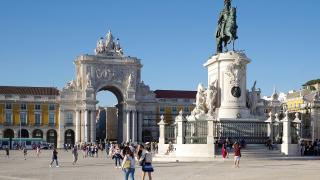
- Pousada Lisboa Praça do Comércio. On Lisbon's riverside square, the Terreiro do Paço, in a building that the pousada says was once a royal residence and later housed government ministries. It has 90 rooms on four floors, with works of art lent by the Lisbon Museum. It is also one of the most expensive pousadas.
- Pousada Alfama is a smaller pousada in Lisbon's old Alfama quarter.
- Pousada Palácio Queluz faces the Queluz National Palace, between Lisbon and Sintra.
- Pousada Castelo Palmela is in Palmela's castle, looking out over the Arrábida hills and the Sado river.
Some older guides list a pousada in the citadel at Cascais. It is not among the 35 pousadas on pousadas.pt today.
 Praça do Comércio in Lisbon, where Pousada Lisboa occupies part of the arcaded buildings around the square. Image: Berthold Werner, CC BY-SA 4.0, via Wikimedia Commons.
Algarve, Azores and the rest
- Pousada Palácio Estoi. A restored 18th-century palace near Faro, with 63 rooms, French-style gardens and a pool with views of the sea and the hills.
- Pousada Convento Tavira is a former convent in the centre of Tavira; some rooms are converted cells, and there is an archaeological site with remains of the Moorish quarter.
- Pousada de Sagres and Pousada Vila Real de Santo António complete the Algarve list.
- In the Azores, Pousada Forte Angra do Heroísmo on Terceira is in a 16th-century fort, and there is a second Azores pousada at Horta on Faial.
 The Palácio de Estoi near Faro, an 18th-century palace that is now a pousada. Image: Bextrel, CC BY-SA 4.0, via Wikimedia Commons.
How to book a pousada
- Book on pousadas.pt. Every pousada is listed there, with live prices and the current offers. You can also book through the big hotel sites, but the offers below are only on the official site.
- Current offers (checked October 2026). The offers page listed a Historical Routes package from €69 a night, a "Night and dinner" rate with breakfast and dinner included from €61, a Bike Friendly offer, a pet-friendly selection, seasonal Christmas and New Year packages, and flash sales. Members of the free Pestana Guest Club earn rewards on each stay. Offers change often and prices are per night for the cheapest room on the cheapest date, so expect to pay more in summer and at weekends.
- Book early for the best-known ones, such as Óbidos, Évora, Estremoz and Lisbon, especially for weekends between spring and autumn.
- Check the room type. In converted convents and castles, rooms differ a lot. If a view, a bathtub or a quiet room matters, check the description or ask the pousada before you book.
- Eat in at least once. The restaurants serve regional food and are sometimes in the most impressive part of the building, such as the old refectory at Vila Viçosa. Some, such as Pousada Lisboa's, take table bookings online.
- Plan a route. Évora, Arraiolos, Estremoz, Vila Viçosa and Crato are all within easy driving distance of each other, so you can link several pousadas in one trip through the Alentejo.
Alternatives to a pousada
If the pousada is full or over budget, Portugal has other ways to sleep in a historic house.
- Turismo de Habitação. This is an official category of family-run lodging in old private houses of architectural, historical or artistic value, such as palaces and manor houses (solares), in the countryside or in towns. The owner or their representative lives on site. It is the closest thing to a pousada at a smaller scale, often with only a handful of rooms.
- Rural tourism and farm stays. Quintas and country houses, especially in the Douro, the Minho and the Alentejo, many on working wine estates.
- Historic boutique hotels. Most old towns have independent hotels in restored townhouses and former convents. They are not part of the pousada network, but they offer the same kind of building.
For the wider picture, including hotels, guesthouses, rentals and tourist taxes, see our Portugal accommodation guide.