

Portugal has a wide range of places to stay, from city hostels and design hotels to historic pousadas and family-run farm stays in the countryside. Knowing the categories, the local rules and which neighbourhoods suit your trip makes it easier to choose well and avoid surprises at check-in.
The main types of accommodation
- Hotels: classified from one to five stars. Lisbon, Porto, the Algarve and Madeira have the widest choice; smaller inland towns may have only a few.
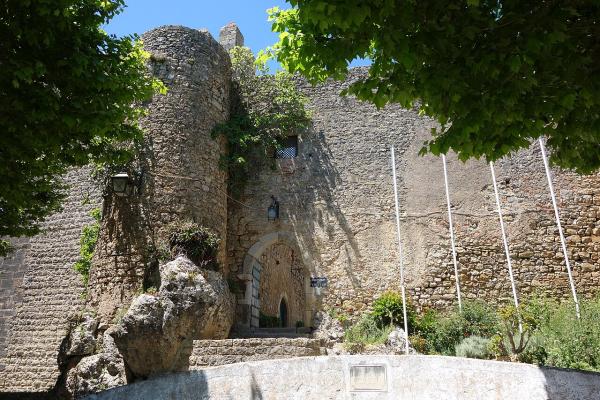
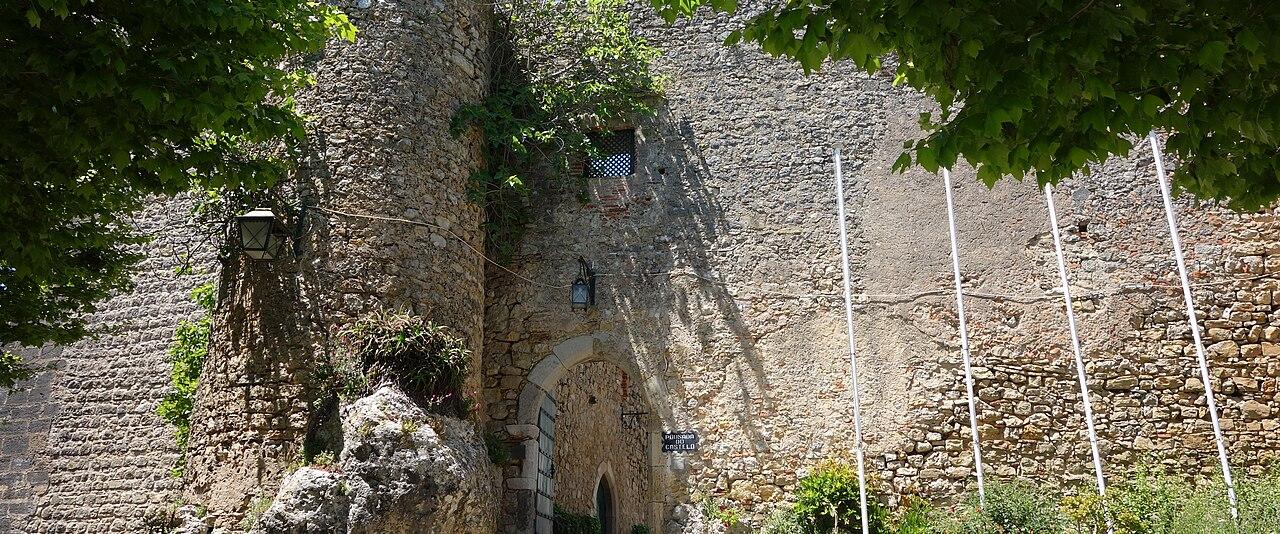
- Pousadas: a network of hotels in historic buildings such as castles, convents and manor houses, plus some in places chosen for their landscape. They are now operated by the Pestana group under the Pousadas de Portugal brand and are a good way to stay inside a monument.
- Turismo de habitação and turismo rural: officially recognised categories for stays in manor houses and rural properties, often run by the owners. Look for them in the Minho, the Douro and the Alentejo, where they are often called quintas or herdades.
- Guesthouses and alojamento local: alojamento local (local accommodation) is the legal category for short-term rentals, guesthouses and small hostels. Every legal property must be registered and should show its registration number in its listing.
- Hostels: Lisbon and Porto have many well-run hostels with private rooms as well as dorms, a useful middle ground for budget travellers.
- Campsites: common along the coast and in natural parks; wild camping is generally not permitted.
Where to stay in Lisbon
- Baixa and Chiado: central, well connected and on flatter ground than much of the city. Good for first visits.
- Alfama and Graça: atmospheric, hilly and close to the castle and viewpoints. Streets are steep and many buildings have no lift. In June, the Santo António festivities make Alfama very lively and noisy at night.
- Bairro Alto and Príncipe Real: Bairro Alto is the bar district and loud late into the night; Príncipe Real, next to it, is calmer and more residential.
- Avenida da Liberdade and Marquês de Pombal: larger hotels, wide avenues and good metro links.
- Parque das Nações: modern, flat and near the airport and Oriente station, though far from the historic centre.
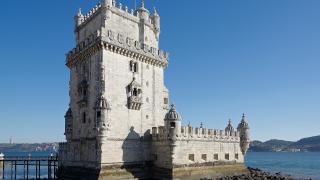
- Belém: quiet in the evening and convenient for the monuments, but a tram or train ride from the centre.
In 2026, most of Lisbon's historic funiculars and the Santa Justa lift remain closed after the September 2025 Glória accident (only the Graça funicular has reopened). If mobility is a concern, choose lower areas near a metro station.
Where to stay in Porto
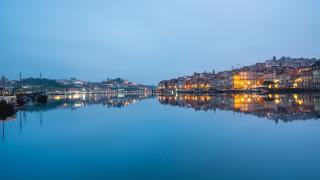
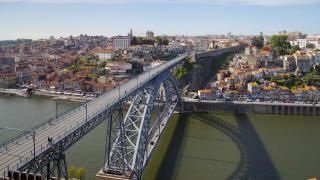
- Ribeira and the historic centre: picturesque riverside, but busy and steep.
- Baixa and Aliados: central, with good metro links and easy walking to most sights.
- Cedofeita and Boavista: more residential, with galleries and cafés, and closer to Serralves and Casa da Música.
- Vila Nova de Gaia: across the river, near the port wine cellars, with views of Porto.
- Foz do Douro: by the sea, quieter, and a tram or bus ride from the centre.
Beyond the big cities
- Algarve: towns such as Lagos and Tavira have historic centres and a mix of hotels and guesthouses, while resort areas lean towards large hotels and apartment complexes. Summer, especially August, is the most expensive time.
- Douro Valley: wine estates (quintas) offer rooms among the vineyards; book early for harvest season in September.
- Alentejo: rural herdades and town guesthouses in places like Évora, plus pousadas in historic buildings.
- Madeira and the Azores: Funchal and Ponta Delgada have the most choice; smaller islands have limited stock, so book well ahead in summer.
Tourist taxes and local rules
Many Portuguese municipalities charge a tourist tax per person per night, usually collected by the property. Lisbon charges €4 per night and Porto €3 per night (with Porto's council reviewing the amount in 2026). Most municipalities cap the charge at a set number of nights, commonly seven, and exempt children below a certain age. Rates in other towns are often lower, and some do not charge at all. Check the amount when you book, as it is often paid on arrival.
When booking a private rental, confirm it has an alojamento local registration number. Lisbon and Porto have tightened rules on new short-term rental licences in their busiest areas, so unregistered listings are a red flag.
Booking tips
- Book early for summer, Easter, Lisbon's June festivities and big events such as Madeira's Carnival.
- Check for lifts and stairs in older buildings, especially in Lisbon, Porto and hill towns.
- Ask about parking in historic centres, where it is limited and often paid.
- Air conditioning matters in Alentejo and Algarve summers; check the listing.
- Read the cancellation terms: non-refundable rates are cheaper but inflexible.