
Soajo
Granite village with ancient granaries and mountain trails
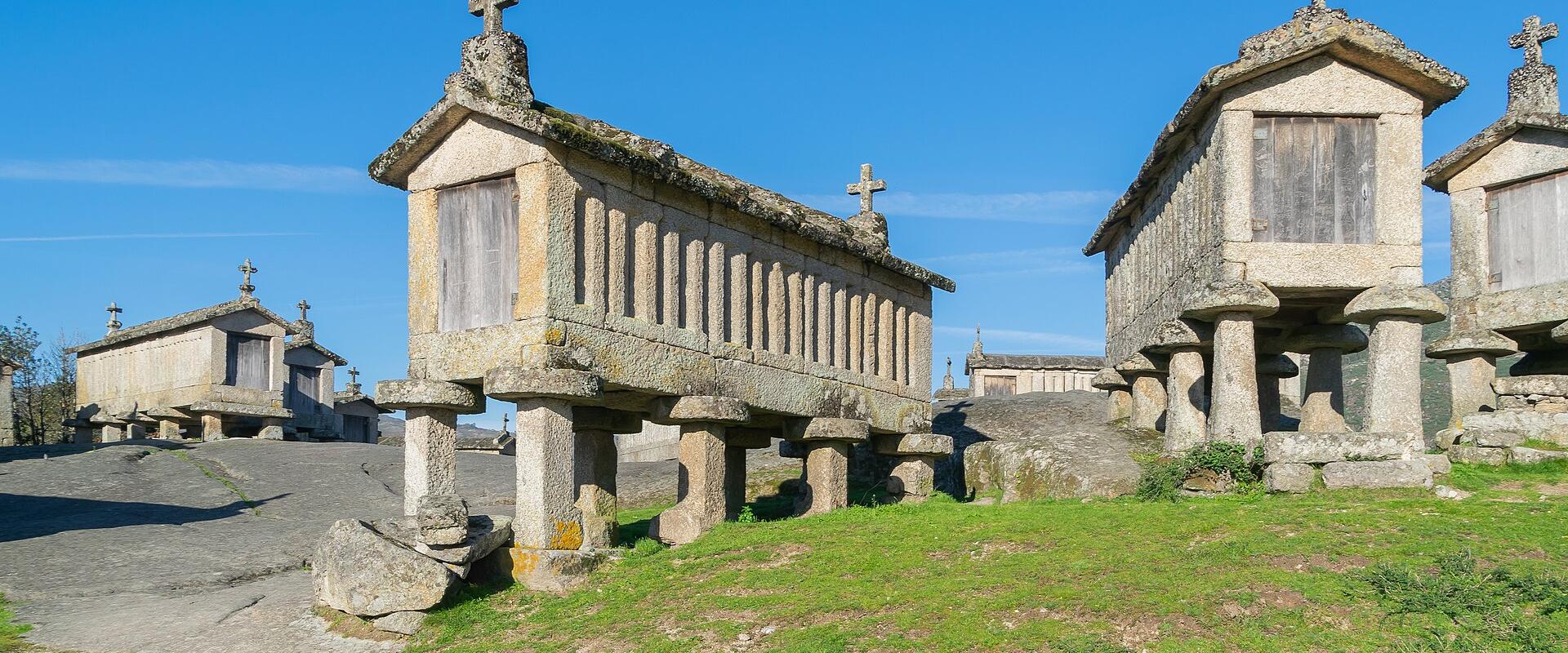
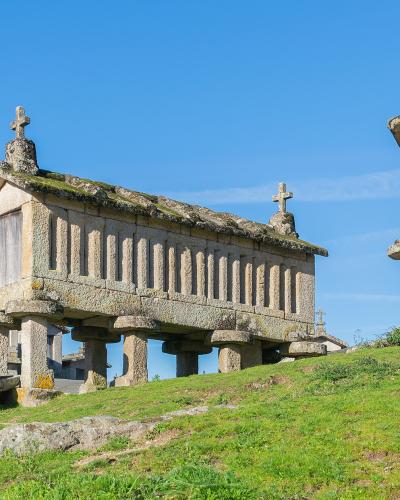
Soajo is a picturesque village perched on the slopes of the Peneda-Gerês National Park, Portugal’s only national park and a UNESCO Biosphere Reserve. The village’s history stretches back centuries, with its most iconic feature being the Espigueiros de Soajo—a group of over 20 granite granaries, some dating to the 18th century, built on a rocky outcrop to protect grain from rodents and damp. These communal granaries are a symbol of the region’s agricultural traditions and a clear sign of the ingenuity of its people. Raised on stone legs and fitted with slatted sides for ventilation, they kept the maize harvest dry through the wet northern winters, and the granite crosses on their roofs give them the look of tiny chapels.
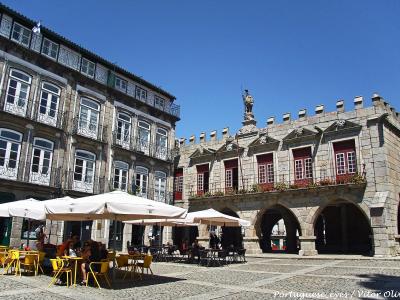
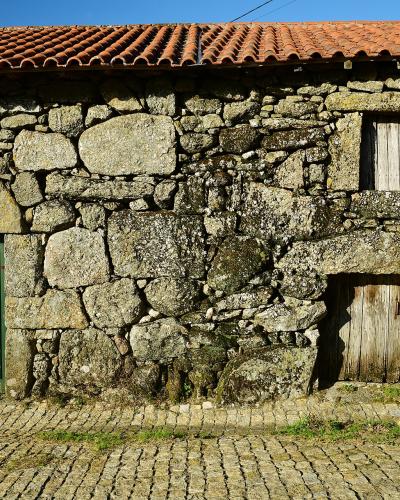
The center of Soajo is its cobbled main square, where visitors can admire the granite pelourinho (pillory), a relic of the village’s medieval autonomy. The village is dotted with stone houses, artisan workshops and small cafes serving local specialties. The Monumento Ao Cão Sabujo Da Serra Do Soajo pays tribute to the region’s traditional hunting dogs, while the Oficina da Moura showcases local crafts and folklore. The old stone paths between houses and fields, often lined with moss-covered walls, are pleasant for a slow stroll.
Soajo’s natural surroundings are a playground for outdoor enthusiasts. The nearby Poço Negro and Poço Azul are crystal-clear lagoons fed by mountain streams, well suited to swimming in the summer months. Waterfalls such as Cascata do Soajo and hiking trails through the Serra do Soajo offer opportunities for exploration, wildlife spotting and photography. The village is also a gateway to the Santuário da Senhora da Peneda, a dramatic sanctuary set against towering cliffs, and the scenic Rio Vez Park. Garrano ponies and long-horned Cachena cattle graze the high ground, and with luck visitors may spot the rare wolves and birds of prey that live in the park.
Cultural experiences abound in Soajo, from traditional festivals and markets to tastings of local honey, smoked meats and the region’s renowned vinho verde wine. The village’s slow pace and welcoming community make it an ideal base for exploring the wider national park, with easy access to other mountain villages, ancient castles and panoramic viewpoints. The nearby village of Lindoso, with its castle and another large group of granaries, is a short drive away, and the market town of Arcos de Valdevez is the natural base for shopping.
Getting to Soajo is easiest by car, with the village located about 30 kilometers from Arcos de Valdevez and accessible via winding mountain roads. Public transport is limited, so a car is recommended for flexibility and to reach nearby attractions. Accommodation options include rural guesthouses, eco-lodges and small inns, many offering wide views of the mountains and valleys.
The best time to visit Soajo is during spring (April to June) and early autumn (September to October), when the weather is mild, the landscapes are lush and the trails are at their best. Summer brings warmer temperatures and vibrant village life, while winter is quieter and atmospheric, with misty mornings and the possibility of snow on the peaks. Whether you are drawn by the history, the hiking or the mountain scenery, Soajo promises a memorable and authentic experience in northern Portugal.
Best Time to Visit
Spring (April-June) and early autumn (September-October) offer mild weather, lush scenery, and ideal conditions for hiking and exploring Soajo’s natural wonders.
Plan Your Visit to Soajo
Essential travel tips and information for your trip to Soajo.
Suggested Itineraries
Travel Tips
Currency
EUR • Cards widely accepted
Language
Portuguese • English in tourist areas
WiFi
Free WiFi in cafes and hotels
Explore Soajo by Interest
Discover attractions and experiences in Soajo organized by your interests and travel preferences.

All attractions in Soajo
Sorted by our recommendation score
Quick Facts
Book your stay
Frequently Asked Questions
More destinations in Minho
Explore other amazing places in the Minho region