

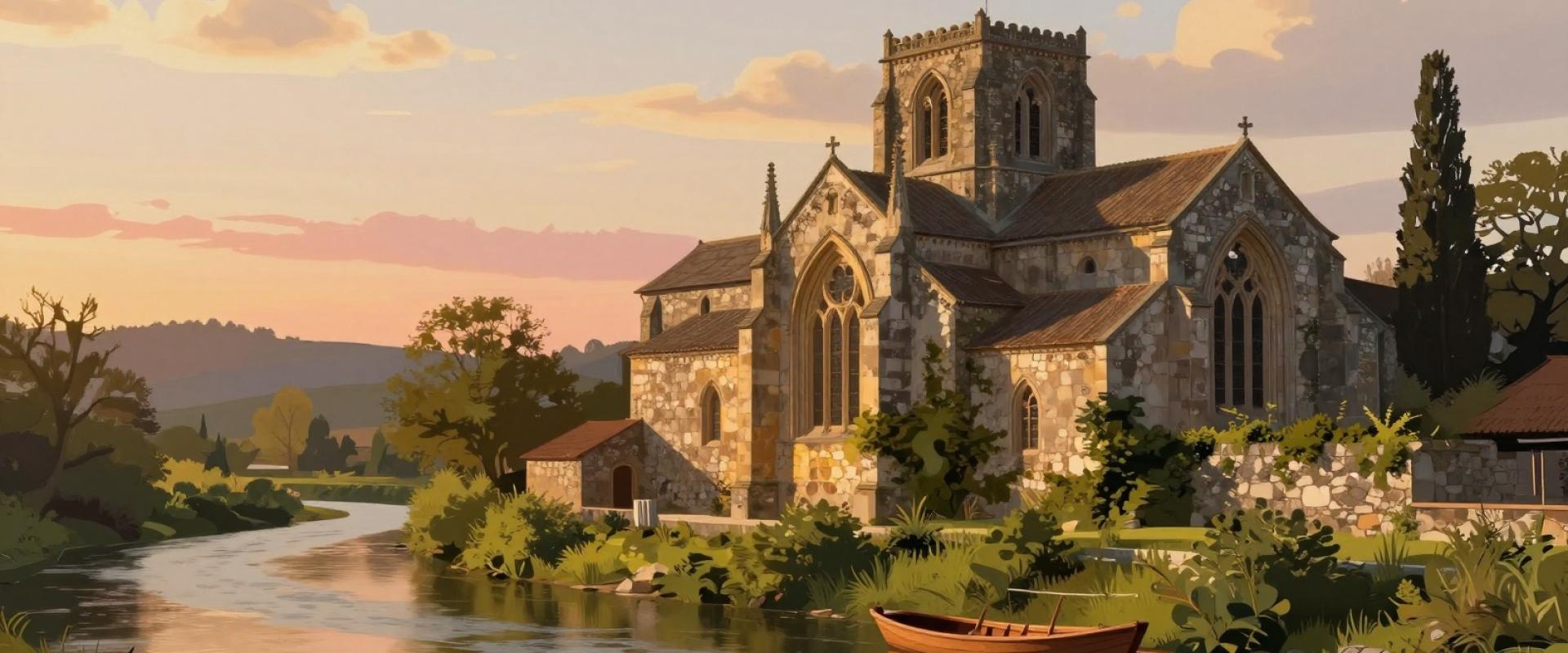
AI-generated illustration
Discovering Alcobaça
One-day Alcobaça itinerary featuring the UNESCO Monastery
1 day
•
Easy difficulty
•
Est. €38
Day 1: Monastic Wonders and Medieval History
A slow-paced exploration of Alcobaça, focusing on the UNESCO-listed Monastery of Alcobaça, the legend of Pedro and Inês de Castro, and the charming medieval town center.
-
09:00
Visit the Monastery of Alcobaça
Explore Portugal's largest church and a UNESCO World Heritage Site. Start with the Gothic church, admire the Romanesque cloister, and visit the Gothic cloister. Key highlights include the facing tombs of King Pedro and Inês de Castro and the medieval kitchen with its diverted river.
-
11:00
Stroll Through Medieval Alcobaça
Walk through the historic center, admiring the medieval architecture and the main square. Visit the Castle of Alcobaça for panoramic views of the town and surrounding countryside.
-
12:30
Traditional Lunch in Town
Enjoy a leisurely lunch at a local tavern or restaurant in the town center. Try regional specialties such as 'Pera Rocam' (a local pear dessert) or traditional Portuguese stews.
-
14:00
Visit the Monastery of Santa Cruz
Explore the nearby Monastery of Santa Cruz, founded by the first King of Portugal. Admire the Manueline architecture and the tomb of Vasco da Gama.
-
15:30
Coffee and Pastries Break
Relax with coffee and local pastries at a nearby café. This is a good time to reflect on the history of the region and enjoy the slow pace of life.
-
16:30
Explore the Alcobaça Museum
Visit the municipal museum to learn more about the town's history, including artifacts from the medieval period and the monastery's influence on the region.
Meals:
Lunch at Town Center
Where to stay: Alcobaça has several charming guesthouses and hotels. Consider staying in a historic building in the town center for easy access to attractions.
Getting around: The town is very walkable. The monastery is a short walk from the center. If arriving from Lisbon or Nazaré, public transport or a car is recommended.
Practical Information
For a one-day visit to Alcobaça, the optimal timing is during the shoulder seasons of spring (April to June) or autumn (September to October). These periods offer mild temperatures ideal for walking, avoiding the intense heat and crowds of July and August. While the town is walkable, most visitors arrive via organized day trips from Lisbon or by car from nearby coastal towns like Nazaré. If driving, ample parking is available near the Monastery, though arriving early is crucial to secure a spot and avoid traffic. Public transport options are limited, making a rental car or guided tour the most efficient methods for reaching this Silver Coast destination.
Accommodation is best sought in Alcobaça’s historic center for immediate access to the Monastery and local dining, or in nearby Nazaré if you wish to combine beach time with cultural sightseeing. Nazaré offers a wider range of lodging options and is only a short drive away. Budgeting for a single day should primarily account for the Monastery entrance fee, which is the main expense. Meals can be affordable if you choose local tascas over tourist-focused restaurants. Note that many smaller shops and museums may have limited hours or be closed on Mondays, so plan accordingly to avoid disappointment.
When packing, prioritize comfortable walking shoes as the Monastery grounds are extensive and involve significant walking on uneven stone surfaces. Bring a reusable water bottle, as staying hydrated is essential, especially in warmer months. A camera is highly recommended to capture the intricate details of the Cloister of Silence and the Gothic architecture. Additionally, carry a light jacket or sweater, as interiors of historic buildings like the Monastery can be cool even when it is warm outside.
Key practical tips include booking Monastery tickets online in advance to skip lines, particularly during peak tourist seasons. Arrive at opening time to experience the site with fewer crowds and better lighting for photography. Respect the solemn atmosphere of the site, particularly the tombs of King Pedro and Inês de Castro, by maintaining a quiet demeanor. Finally, allocate at least three to four hours for the Monastery itself to fully appreciate the historical context of the 14th-century legend and the architectural marvels, including the medieval kitchen with its diverted river. This allows for a relaxed, immersive experience rather than a rushed tour.
Book your stay
More Itineraries
7 days
Alentejo Highlights Tour
Seven-day tour of Alentejo's historic towns and cork oak landscapes
View Itinerary →
7 days
Algarve Highlights Tour
7-day tour of Algarve's cliffs, beaches, and historic towns
View Itinerary →