



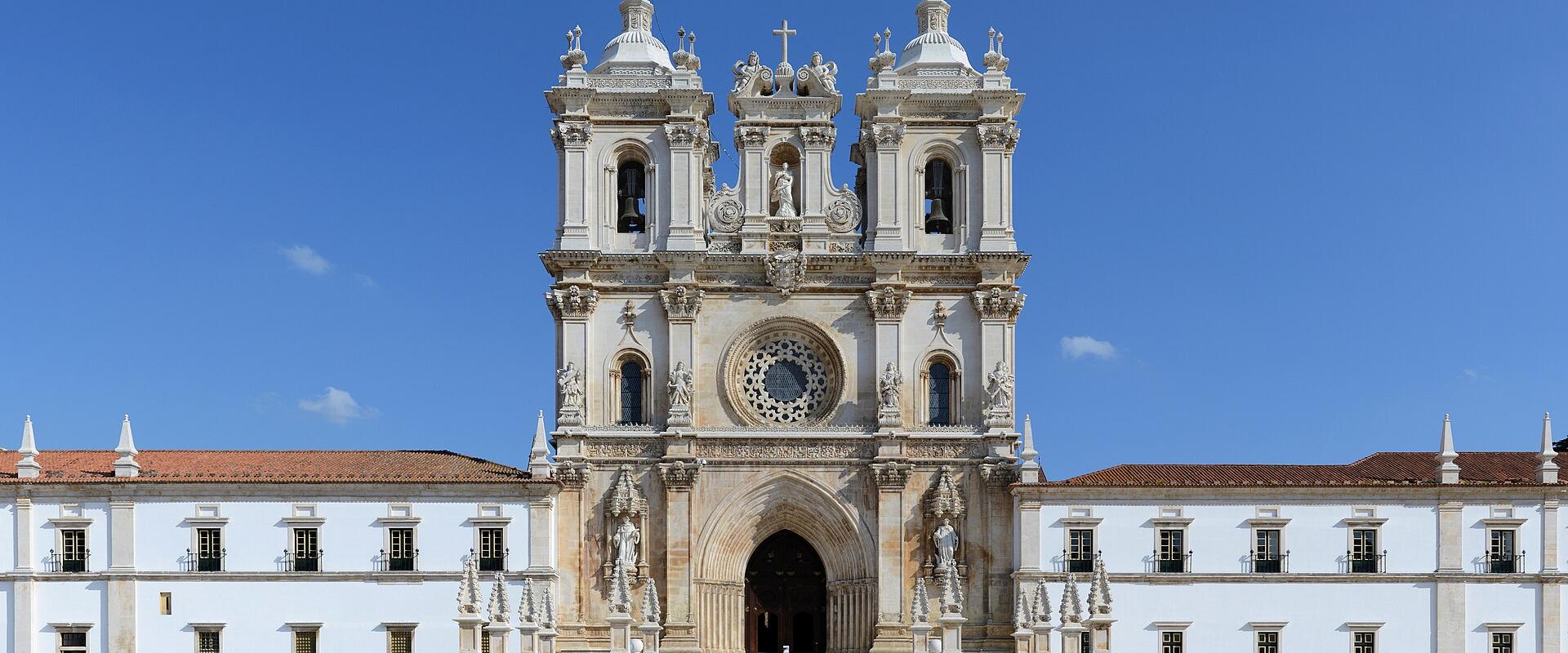
Alcobaça is a city steeped in history and romance, located in the center of Portugal’s Estremadura region. Its origins date back to the 12th century, when the first king of Portugal, Afonso Henriques, founded the Monastery of Alcobaça as a gift to the Cistercian Order for their support in the Christian reconquest. The monastery quickly became one of the most important religious and cultural centers in Portugal, shaping the development of the surrounding town. Today, the Monastery of Alcobaça is a UNESCO World Heritage Site and a striking example of Cistercian Gothic architecture, with soaring vaulted ceilings, austere stonework and an atmosphere of serene grandeur. The church is one of the longest in Portugal, and its bare interior reflects the Cistercian rule of simplicity.
The monastery is also the setting for one of Portugal’s most enduring love stories: the tragic romance of King Pedro I and Inês de Castro. Their ornate tombs, facing each other in the abbey’s transept, are masterpieces of medieval sculpture and a poignant symbol of eternal love. According to tradition, Pedro placed them so that on the day of the Last Judgment each would see the other first as they rose. Visitors can explore the monastery’s vast cloisters, chapter house, refectory and kitchen, as well as the adjacent church, which remains an active place of worship. The monastery kitchen, with its huge chimney, is one of the most memorable rooms.
Beyond the monastery, Alcobaça’s historic center is a delight to explore. The Praça 25 de Abril, or monastery esplanade, is a lively square surrounded by cafes and shops, ideal for people-watching and sampling the city’s famous convent-born pastries, such as pão-de-ló and cornucópias. The ruins of Alcobaça Castle offer panoramic views over the city and surrounding countryside, while the Wine Museum and local artisan shops provide insight into the region’s traditions and crafts. The Garden of Love, or Jardim da Graça, is a small park with a romantic theme. A festival of Cistercian music is held in the monastery, bringing concerts to its great spaces.
Nature lovers can enjoy the nearby Parque Dos Monges, a family-friendly park with gardens, lakes and activities, or venture to the scenic beaches of São Martinho do Porto and Vale Furado, just a short drive away. The famous big-wave town of Nazaré is also nearby. The surrounding region is dotted with picturesque villages, hiking trails and fruit orchards, making Alcobaça an excellent base for exploring central Portugal.
Getting to Alcobaça is straightforward, with regular bus connections from Lisbon (about 1.5 hours) and other major cities. The city is compact and walkable, with most attractions located within easy reach of the center. Accommodation options range from boutique hotels in historic buildings to rural guesthouses and modern apartments.
The best time to visit Alcobaça is from April to October, when the weather is pleasantly warm and suited to sightseeing, outdoor activities and enjoying the city’s gardens and festivals. Spring and early autumn offer mild temperatures and fewer crowds, while summer brings lively events and longer days. For the monastery, the romance and the pastries, Alcobaça promises a memorable and multifaceted Portuguese experience.
Best time to visit
April to October offers pleasant, warm weather for sightseeing and festivals; spring and early autumn are ideal for fewer crowds and lush gardens.
What to see in Alcobaça
Our picks first.
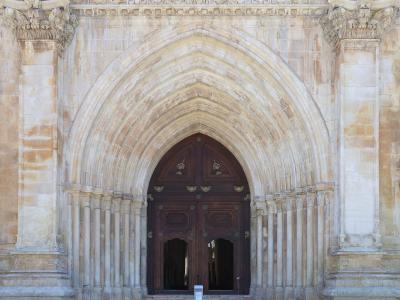
Alcobaça Monastery
12th-century Cistercian monastery in Portugal
From $17.40 Historic Churches · Monasteries
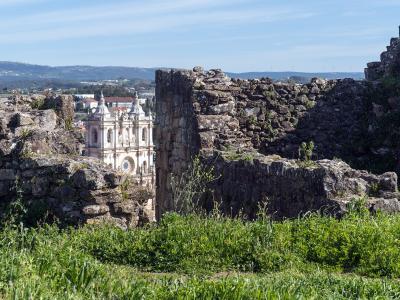
Alcobaça Castle (Castelo De Alcobaça)
12th-century fortress in central Portugal
History & Heritage
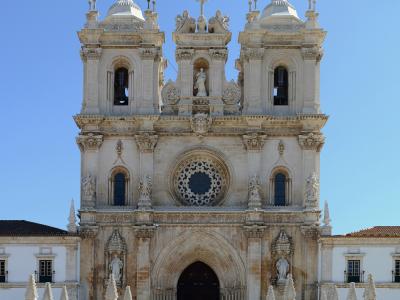
Monastery Of Alcova
UNESCO-listed Cistercian abbey in central Portugal
Historic Churches · Monasteries
Alcobaça by interest
The same sights, grouped by what you came for.
Did you know?
Checked facts about Alcobaça, each with its source.
-
Legend
Alcobaça Monastery Holds the Tombs of Pedro and Inês
The Monastery of Alcobaça, a 12th-century Cistercian abbey and UNESCO World Heritage Site, holds the tombs of King Pedro I and Inês de Castro, the ill-fated lovers of Portuguese history. They are the most symbolic of the church's tombs and are traditionally visited by couples in love.
Source: Time Out Lisboa
Planning a visit to Alcobaça
Itineraries that include Alcobaça
Good to know
- Currency
- EUR
- Language
- Portuguese
Quick Facts
Book your stay
Questions people ask
More places in Estremadura
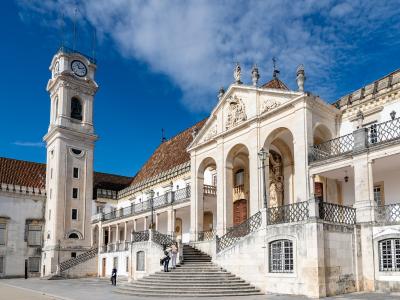
Estremadura
Coimbra
Historic university city with medieval streets and river views
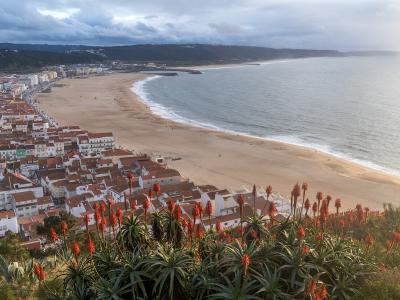
Estremadura
Nazaré
Fishing town of giant waves, clifftop shrines and a classic Atlantic beach
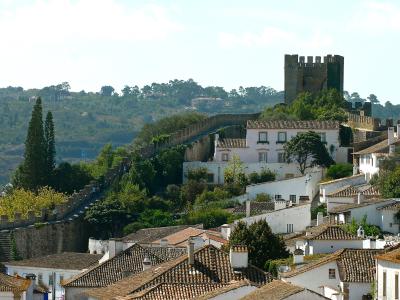
Estremadura
Óbidos
Walled medieval town with castle, cobbled streets, and festivals
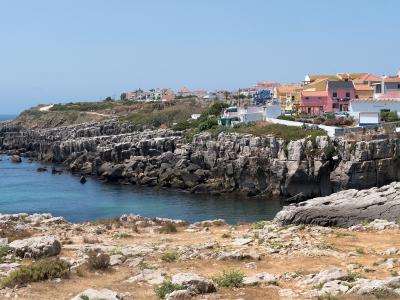
Estremadura
Peniche
Atlantic peninsula with beaches, surf, and islands