
Alcobaça Monastery
12th-century Cistercian monastery in Portugal
Alcobaça Monastery is the largest church in Portugal and one of the great monuments of the Cistercian order in Europe. It stands in the middle of the small town of Alcobaça, between Lisbon and Coimbra, and it is a UNESCO World Heritage site, listed in 1989. The monastery was linked to the founding of the kingdom itself: Afonso Henriques, the first king, donated the land to the Cistercians in the middle of the 12th century, after the capture of Santarém from the Moors, and building began in 1178.
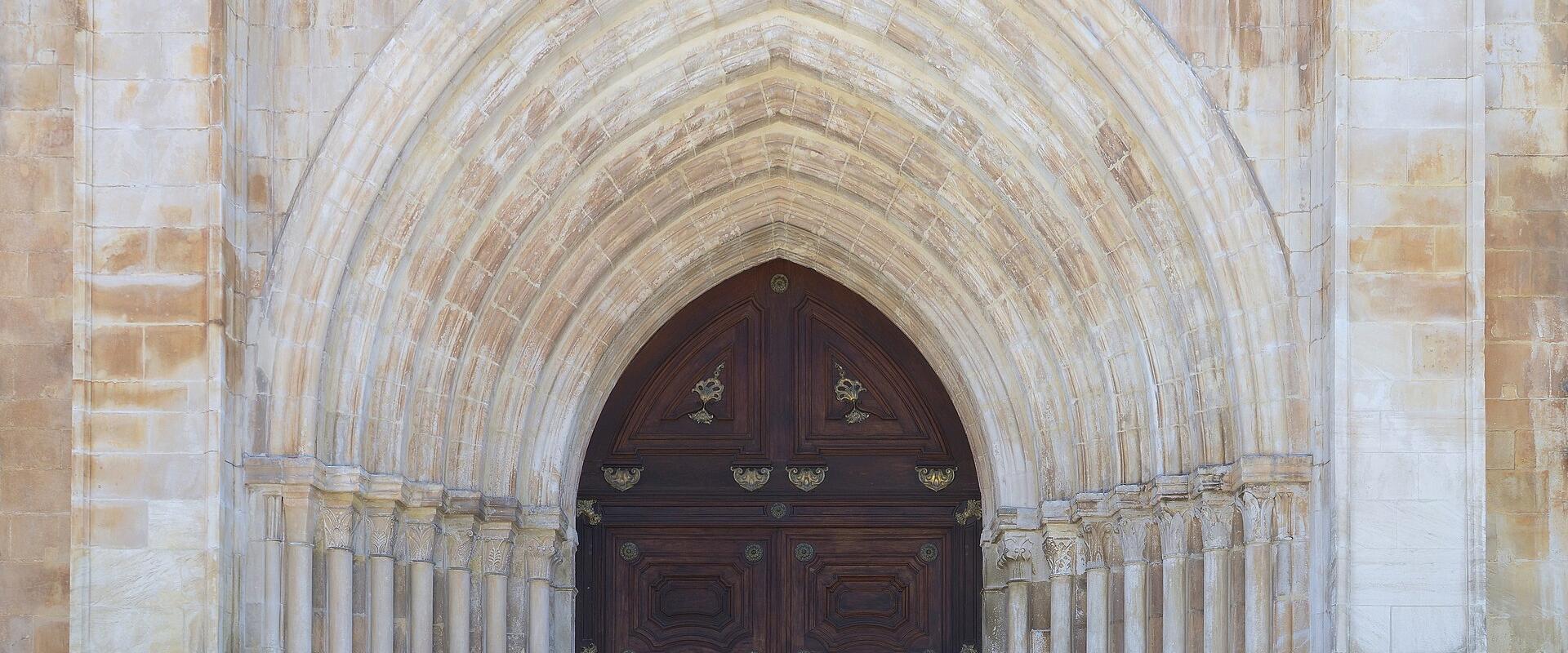
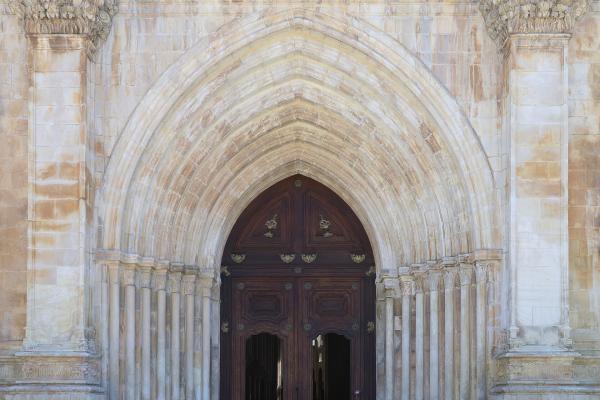
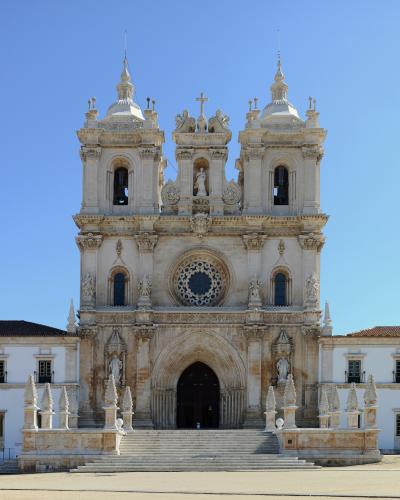
The church is a masterpiece of early Gothic architecture, plain and tall, with a nave about 106 metres long and a soaring vaulted ceiling supported by clean lines of pillars. The Cistercians avoided decoration, believing that ornament distracted from prayer, so the interior is almost bare, and the effect is of space and light rather than richness. The baroque facade seen from the square was added in the 18th century and contrasts with the austerity inside. On entering, many visitors are struck by the sudden quiet and the size of the interior.
The tombs of Pedro I and Inês de Castro are the most famous items inside. Inês, a Galician noblewoman and Pedro's lover, was murdered in 1355 on the orders of Pedro's father, King Afonso IV, who considered her a political threat. When Pedro became king two years later, he is said to have declared that they had secretly married, and the story goes that he had her body exhumed and crowned queen. The two tombs, in finely carved Gothic stone covered with scenes of the Last Judgement and the life of Saint Bartholomew, stand in the transepts, facing each other, so that, as tradition says, the lovers will see one another when they rise on the Day of Judgement.
Beyond the church, the monastery's huge spaces reveal how a great religious community lived. The Cloister of Silence, begun in the early 14th century under King Dinis, is a graceful two-storey Gothic cloister, and the Hall of Kings is decorated with statues and blue tiles. The monks' dormitory, refectory and kitchen are among the most impressive: the enormous kitchen, with a vast chimney and a stream running through it, was built to feed hundreds of monks, and it gives a sense of the scale of the establishment.
The monastery is open daily, with longer hours in summer, and tickets are sold at the entrance. Allow around two hours, and visit in the morning to avoid crowds. The stone interior is cool, even cold, in winter, so bring a layer. The town around the monastery is known for its conventual sweets and for local wines, and it is a short drive from Batalha and Nazaré. It suits history lovers, architecture enthusiasts and anyone fond of a good love story.
Categories
More photos coming soon
Hours & Fees
Hours
Daily 9:00 AM to 6:00 PM (extended to 7:00 PM between April and September)
Admission
Starts at $17.40
Nearby Attractions
Other places to visit in Alcobaça
Frequently Asked Questions
Quick Facts
Best Time to Visit
April to October offers pleasant, warm weather for sightseeing and festivals; spring and early autumn are ideal for fewer crowds and lush gardens.