



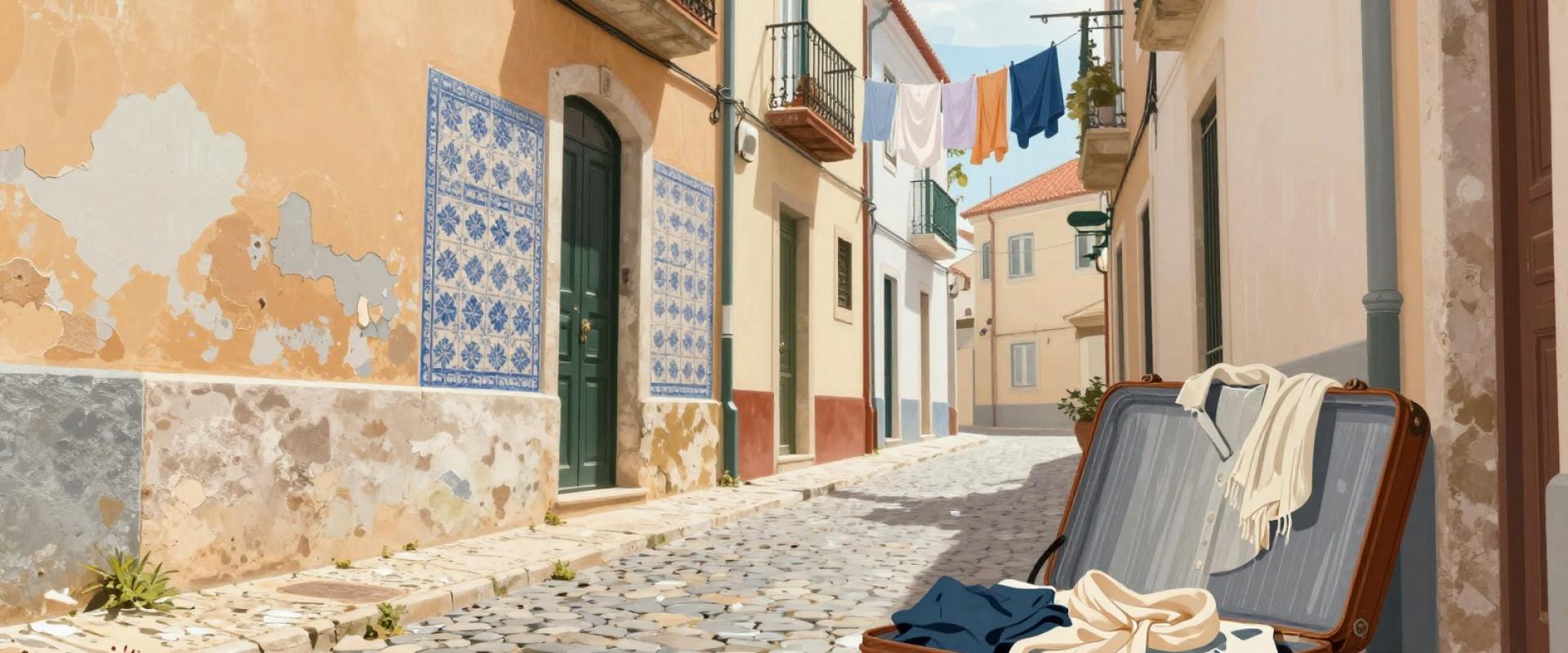
Portugal’s iconic calçada portuguesa pavement presents unique packing challenges. These traditional stone streets are uneven and slippery when wet. Smooth soles offer zero traction on these surfaces. Heels sink into the gaps between stones. This design causes frequent ankle injuries for tourists. You must prioritize footwear with thick, non-slip rubber soles. Trainers provide necessary stability on rough cobblestones. Stylish walking sandals with sturdy treads are also suitable. Avoid smooth-soled dress shoes for daytime exploration. They lack the grip needed for safety. Pack versatile shoes that handle both terrain and style. Day-wear requires durable construction for long walks. Evening-wear can be lighter if soles remain flat. Consider bringing two pairs of comfortable shoes. One pair for active sightseeing in cities like Lisbon. Another for dinners in Porto or coastal towns. This strategy prevents foot fatigue and injury. Local stores in major cities sell suitable replacements. However, finding specific non-slip features may be difficult. Packing the right footwear beforehand is essential. It ensures safe navigation through historic districts. Prioritize function over fashion for your primary shoes. This practical choice enhances your overall travel experience.
Layering for Microclimates
Portugal features distinct microclimates requiring strategic layering. The north receives more rain than the south. Coastal areas remain cooler than the interior. Lisbon often differs significantly from Porto’s weather. Travelers must prepare for rapid temperature shifts. Pack light sweaters for variable conditions. A water-resistant coat protects against sudden showers. Linen suits the hot southern summers. Cotton offers breathability for coastal humidity. Merino wool regulates temperature in cooler regions. Avoid heavy fabrics that trap heat. Layering allows adjustment to local climates. You can remove layers indoors easily. This approach minimizes luggage weight significantly. Versatile pieces work across multiple regions. Prioritize comfort for walking on stones. Check specific forecasts for each city. Weather changes quickly in mountainous areas. The Algarve stays warmer year-round. The Minho region demands rain gear. Pack items that mix and match. This strategy simplifies daily outfit choices. You will stay comfortable everywhere. Adaptability is key to packing well. Focus on functional, breathable materials. Avoid bulky items that take space. Smart layering ensures readiness for any day. This method suits Portugal’s diverse geography perfectly.
Sun Protection Essentials
Portugal experiences high UV exposure year-round. Even winter months in Lisbon and Porto offer significant sun intensity. The coastal environment reflects sunlight, increasing exposure risks. Sunglasses are essential for eye protection during all seasons. Choose lenses that block 100% of UVA and UVB rays. Broad-spectrum sunscreen with SPF 30 or higher is mandatory. Apply it generously before outdoor activities. Reapply every two hours, especially after swimming. The Algarve coast demands extra vigilance due to intense midday sun. Wide-brimmed hats provide superior shade for the face and neck. Caps offer less coverage for ears and neck. Local pharmacies in Portugal stock high-quality sunscreens. Brands like Isdin and La Roche-Posay are widely available. Prices are comparable to other European nations. Bringing specific prescription sunglasses may be necessary. Generic brands found locally are sufficient for most travelers. Prioritize lightweight, breathable fabrics for headwear. Cotton and linen materials allow air circulation. Avoid synthetic materials that trap heat. Sun protection is not optional in Portugal. It is a critical health requirement. Plan your daily routine around peak UV hours. Seek shade between 12 PM and 4 PM. Hydration supports overall skin health during sun exposure. Carry a reusable water bottle at all times. This simple habit reduces heat-related illnesses significantly.
Cultural Attire and Modesty
Portuguese dress codes vary by region. Rural areas maintain conservative standards. Urban centers like Lisbon allow casual styles. Religious sites enforce strict modesty rules. Visitors must cover shoulders and knees. Sleeveless tops and short shorts are prohibited in churches. A lightweight scarf provides essential coverage. This accessory adapts to varying temperature needs. It offers practical protection for temple visits. Evening dining requires smart-casual attire. Men typically wear collared shirts and trousers. Women choose dresses or elegant separates. Avoid athletic wear in restaurants. The previous guide highlights comfortable footwear for cobblestones. This section focuses on social etiquette. Pack versatile pieces for layering. Linen and cotton suit the climate. These fabrics breathe well in heat. They also respect traditional norms. Leaving athleisure behind is advisable. Cities offer accessible clothing stores. You can buy items locally if needed. This minimizes packing volume. Prioritize classic, versatile wardrobe staples. This approach ensures cultural appropriateness. It also simplifies daily outfit choices. Respect local customs through your attire. This enhances your overall travel experience. It demonstrates awareness of Portuguese values. Modesty remains a key social expectation. Adhering to these norms shows respect. It facilitates smoother interactions with locals. Plan your wardrobe accordingly. This ensures comfort and cultural alignment. The goal is seamless integration. Your clothing should reflect this intent. Simple elegance works best. Avoid overly revealing garments. This applies to all public spaces. Religious sites demand extra caution. Always carry a cover-up. This simple item solves many issues. It respects sacred spaces. It also protects against sun. Balance style with modesty. This creates a polished appearance. It aligns with local expectations. Pack wisely for success.
Electronics and Adapters
Portugal uses Type F electrical outlets. These sockets feature two round pins and grounding clips. Travelers from non-European regions must bring travel adapters. The national voltage standard is 230V at 50Hz. Most modern electronics support this range automatically. Check device labels for "Input: 100-240V" compliance. Devices rated only for 110V require voltage converters. Power banks are essential for long transit days. Lisbon and Porto metro systems have limited charging ports. Carry a high-capacity power bank for all-day use. Reliable connectivity requires local SIM cards or eSIMs. Major providers include Vodafone, NOS, and MEO. Coverage is strong in urban centers like Lisbon. Rural Alentejo areas may have spotty signal reception. Download offline maps before visiting remote villages. Public Wi-Fi exists in major hotels and cafes. Security is generally good, but theft occurs in tourist zones. Keep devices secured in anti-theft bags. Avoid leaving electronics unattended on outdoor tables. Portugal’s tech infrastructure supports digital nomads well. Co-working spaces in Porto offer reliable high-speed internet. Always carry a universal adapter for backup. This ensures compatibility with any European socket type.
Minimalist Packing Strategy
Portugal’s urban layout favors mobility over bulk. Cobblestone streets make heavy luggage difficult to manage. A capsule wardrobe reduces weight significantly. Pack versatile linen and cotton pieces for summer. These fabrics breathe well in coastal heat. Avoid leggings and athleisure wear. They do not fit the local casual style. Classic, flowy items work best for daily wear. Local shopping availability supports this minimalist approach. Cities like Lisbon and Porto have accessible stores. You can buy additional items if needed. This strategy lowers initial packing volume. It also allows for flexible travel plans. A foldable tote bag adds practical utility. It serves for market visits or extra souvenirs. The bag collapses when empty to save space. This item fits easily into checked luggage. Prioritize sturdy footwear with non-slip rubber soles. Heels are impractical on uneven pavements. Trainers or flat shoes with treads are safer. This choice prevents ankle injuries on wet stones. Sunglasses remain essential year-round due to UV intensity. Pack them in a secure case. This approach ensures comfort and ease. You move freely through historic districts. Local stores offer replacements for forgotten essentials. This method simplifies the entire travel experience.