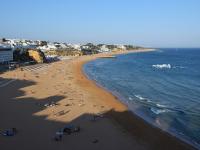


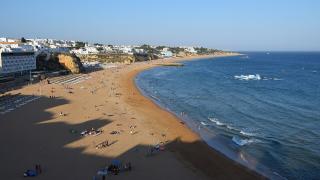





Portugal’s climate varies significantly by region. This diversity requires a versatile packing strategy. You must prepare for distinct weather patterns across the country. The north experiences frequent rainfall. Porto receives substantial precipitation year-round. Pack a waterproof jacket and sturdy, water-resistant footwear. These items are essential for navigating wet streets. The south enjoys a Mediterranean climate. Lisbon and the Algarve are generally hot and dry. Temperatures often exceed 30°C in summer. Pack lightweight, breathable fabrics like linen and cotton. Sun protection is critical in these southern zones. The interior region presents different challenges. The Serra da Estrela mountains see snow in winter. Temperatures drop well below freezing during these months. Pack warm layers, including thermal underwear and heavy coats. Layering is the most effective strategy for variable weather. Temperatures can shift rapidly between coastal and inland areas. A light sweater or fleece provides necessary flexibility. You can easily add or remove layers as needed. This approach accommodates both cool mornings and warm afternoons. Portugal’s microclimates demand adaptable clothing choices. Avoid packing only heavy winter gear or only summer attire. Balance is key to comfort during your trip. Research specific regional forecasts before finalizing your luggage. This ensures you are prepared for local conditions. Proper preparation prevents discomfort from unexpected weather changes. Focus on functional, multi-purpose clothing items. This maximizes space and minimizes bulk in your bags.
Footwear for Cobblestones
Portugal’s urban landscapes feature calçada portuguesa, traditional cobblestone pavement. These stones are smooth, uneven, and notoriously slippery when wet. Standard smooth-soled shoes offer zero traction on these surfaces. You risk serious ankle injuries or falls without proper grip. Prioritize footwear with deep treads and rubber soles. Sneakers and walking shoes are essential for city exploration. Avoid high heels entirely. They sink into gaps and cause instability. Comfort outweighs style in Portuguese cities like Lisbon and Porto. You will walk extensively on uneven stone streets. Versatile footwear bridges the gap between beach and evening wear. Choose closed-toe sandals with secure straps for coastal towns. They provide breathability while maintaining stability on rough terrain. For evening dining, opt for stylish leather flats. They offer support without sacrificing a polished appearance. Avoid open-toed flip-flops for urban sightseeing. They lack necessary arch support and protection. Pack one pair of sturdy walking shoes. Include one pair of elegant, supportive flats for dinners. This combination covers beach, city, and evening needs efficiently. Do not bring broken-in shoes. New footwear causes blisters on long walks. Break them in thoroughly before departure. Ensure all shoes are breathable for Portugal’s warm climate. Moisture-wicking socks prevent discomfort during long days. The terrain demands practicality over fashion trends. Your feet will thank you for choosing function. Proper footwear ensures you enjoy Portugal’s historic streets safely. Neglecting this tip leads to pain and limited mobility. Plan your shoe selection based on terrain, not just outfit coordination. The calçada dictates your packing list. Respect the ground beneath your feet.
Cultural Attire Norms
Portuguese culture values modesty and neatness in public spaces. Urban centers like Lisbon and Porto favor smart-casual attire. Men typically wear collared shirts and trousers. Women choose blouses with skirts or tailored pants. Avoid overly revealing clothing in city streets. Religious sites enforce strict dress codes. You must cover shoulders and knees at all times. Carry a light scarf for unexpected church visits. Sleeveless tops and short shorts are prohibited inside. Beachwear is acceptable only on the sand. Do not wear swimsuits into town centers or restaurants. This applies to all coastal regions, from Algarve to the north. Formal events require elegant attire. Fado performances in historic venues demand respectful dress. Men should wear jackets or blazers. Women opt for dresses or sophisticated separates. Casual jeans and t-shirts are often considered too informal. Dining out, even at casual bistros, requires neat appearance. Locals notice sloppy dressing and may feel disrespected. Pack versatile layers that transition from day to night. Neutral colors blend well with local aesthetics. Avoid loud patterns or excessive logos. Comfortable walking shoes remain essential for cobblestones. However, ensure they look polished, not athletic. This balance of comfort and respect defines Portuguese style. Prioritize quality fabrics that resist wrinkles. You will fit in better by dressing conservatively. This approach shows respect for local traditions and social norms.
Electronics and Adapters
Portugal uses Type F electrical outlets, also known as Schuko. These sockets feature two round pins and two grounding clips on the sides. Travelers from North America or the UK must bring a Type F adapter. Without this specific plug, your devices will not connect to local power sources. The national voltage standard is 230V at 50Hz. Most modern electronics support this range automatically. However, you must verify the label on each charger. Devices rated only for 110V will suffer permanent damage if plugged directly into Portuguese sockets. Always check for "Input: 100-240V" before connecting. Power banks are essential for long transit days. Lisbon and Porto metro systems have limited charging stations. Carry a high-capacity power bank to keep phones operational during full-day sightseeing. Local SIM cards are widely available at kiosks and telecom stores. Major providers include Vodafone, MEO, and NOS. You can purchase prepaid data plans upon arrival. eSIM options are also popular for immediate connectivity. Ensure your phone is unlocked before traveling. This allows seamless integration with local Portuguese networks. Avoid relying solely on hotel Wi-Fi for navigation. Data coverage is reliable in urban areas but may drop in rural Alentejo regions. Bring a universal travel adapter to handle multiple device types. This single tool simplifies charging laptops, cameras, and phones. Prioritize compact, lightweight adapters to save luggage space. Verify adapter compatibility with your specific plug shapes. This prevents last-minute shopping delays at local electronics stores.
Essential Travel Documents
Portugal operates within the Schengen Area. This status dictates strict entry requirements for all visitors. Your passport must remain valid for at least three months beyond your planned departure date. This rule applies to all non-EU nationals entering the country. You must verify this validity before booking any flights or accommodation.
Digital and physical document backups are critical for security. Store scanned copies of your passport and visa in a secure cloud service. Keep printed copies in a separate location from your original documents. This separation ensures access even if one set is lost or stolen.
Travel insurance is highly recommended for all trips to Portugal. It covers medical emergencies, lost luggage, and flight cancellations. Specific providers like World Nomads are suggested for comprehensive coverage. This protection is vital even in Portugal’s relatively safe environment.
Driving permits are required if you plan to rent a car. International Driving Permits are necessary for many non-EU license holders. Verify your specific country’s requirements with local rental agencies. Always carry your original license alongside the permit. This documentation prevents legal issues during roadside checks or accidents.