


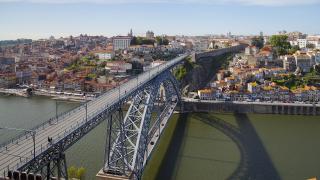

Portugal’s geography creates distinct climate zones. Coastal areas face Atlantic influence. Interior regions experience continental extremes. Northern zones receive higher rainfall. A one-size-fits-all packing strategy fails here. You must adapt to local conditions. The Atlantic breeze lowers perceived temperature significantly. Packable layers are essential for sudden changes. Weather shifts rapidly along the coast. Bring a windproof jacket for Lisbon. Temperatures drop quickly after sunset. Interior cities like Évora get hotter. Pack breathable fabrics for the Alentejo. Northern Portugal requires waterproof gear. Rain is frequent in Porto. Madeira and Azores have unique microclimates. Mountainous terrain creates isolated weather patterns. Pack warm layers for high altitudes. Coastal paths remain windy year-round. Check specific forecasts for each island. The Azores demand versatile clothing. Sudden rain showers occur daily. Pack quick-dry materials for hiking. Avoid heavy cotton in humid zones. Layering allows adjustment to temperature swings. A light sweater suffices for evenings. Bring sturdy shoes for cobblestones. The climate varies by region. Prepare for four seasons in one day. This approach ensures comfort throughout your trip.
Footwear for Cobblestones
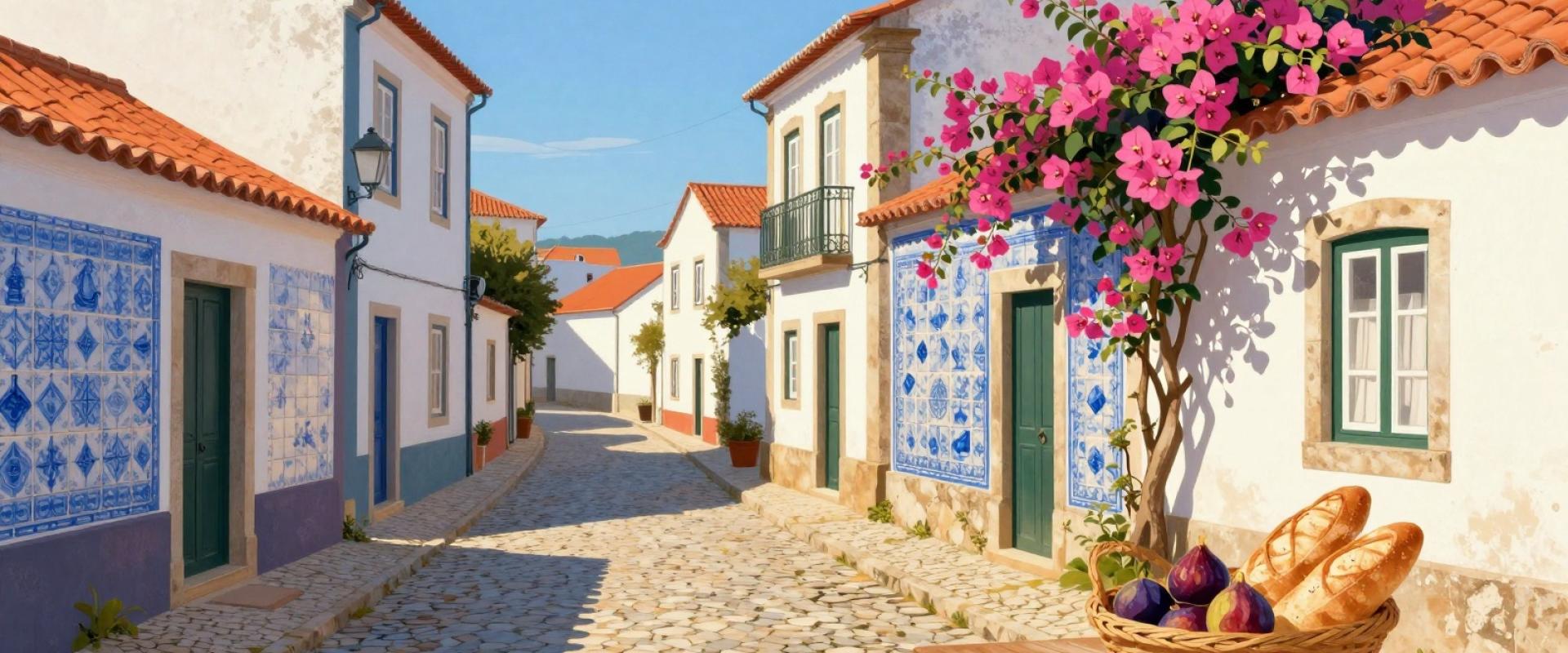
Portuguese cities feature traditional calçada portuguesa paving. This white and black stone pattern creates significant slip hazards. The stones become extremely slick when wet. Rain is frequent in northern regions like Porto. You must prioritize traction over style. Smooth-soled sandals offer zero grip on these surfaces. Heels sink into the uneven stone gaps. They also pose serious ankle injury risks. Hilly streets in Lisbon and Sintra demand stability. Steep inclines require sturdy, grippy footwear. Leather sneakers provide excellent balance and support. They handle both wet stones and dry heat. Trail shoes offer superior grip for rugged terrain. Choose models with deep treads for safety. Avoid thin soles that lack shock absorption. Your feet will fatigue quickly on uneven ground. Pack versatile shoes that work for cities and nature. A single pair of quality walking shoes suffices. Bring moisture-wicking socks to prevent blisters. Cotton socks retain sweat and cause friction. Merino wool blends regulate temperature effectively. You will walk several kilometers daily on stone. Proper footwear prevents long-term joint pain. Do not rely on fashion-forward but unsafe options. Comfort ensures you enjoy the historic architecture. Slippery surfaces affect all tourists equally. Prepare your feet for the specific local conditions. This preparation enhances your overall travel experience significantly.
Dress Code and Decency
Portuguese religious sites enforce strict modesty standards. Visitors must cover shoulders and knees. This rule applies to all churches and monasteries. You cannot enter with bare legs or exposed arms. A lightweight scarf solves this problem easily. Pack a large, breathable scarf for versatility. It provides coverage when entering sacred spaces. You can also use it for sun protection. Urban areas require different attire standards. Beachwear is inappropriate outside coastal zones. Do not wear swimsuits in city centers. This behavior is considered disrespectful by locals. Evening dining demands smart casual clothing. Men typically wear collared shirts and trousers. Women choose dresses or elegant separates. Avoid athletic wear for dinner reservations. Most restaurants expect neat, presentable outfits. Lisbon and Porto venues are particularly formal. Rural towns may allow slightly relaxed styles. However, modesty remains the consistent expectation. Pack layers to adapt to these norms. A cardigan works well for cooler evenings. It also serves as a shoulder cover. Comfortable shoes remain essential for cobblestone streets. Balance style with practicality for daily wear. Always carry a scarf in your bag. It ensures you meet entry requirements. This simple item prevents denied access. Respect local customs through appropriate clothing choices. This approach enhances your cultural experience significantly.
Electronics and Adapters
Portugal uses Type F electrical outlets. These sockets feature two round pins. They also include two grounding clips on the sides. The standard voltage is 230 volts. The frequency is 50 hertz. Travelers from North America must check device labels. Most modern chargers support 100-240 volts. Verify this specification before packing. If your device lacks dual voltage, you need a converter. A simple plug adapter is insufficient for voltage differences. Non-European travelers should bring universal adapters. The Ceptics brand is a recommended choice for reliability. These adapters fit Type F sockets securely. Portugal’s extensive cobblestone streets often lack accessible power outlets. You may walk long distances without finding a socket. Portable power banks are essential for navigation. Keep your phone charged for maps and translation apps. Carry at least one high-capacity power bank. This ensures connectivity during long transit days. Hotel rooms may have limited outlet availability. Bring a multi-port USB charger to save space. This device charges multiple gadgets simultaneously. It reduces the need for bulky individual adapters. Always pack your adapter in your carry-on luggage. Lost luggage delays access to charging equipment. Secure your electronics against theft in crowded areas. Use anti-theft bags with locking zippers. Portugal is generally safe, but vigilance is required. Keep devices out of sight in public transport. This minimizes the risk of pickpocketing. Proper preparation ensures uninterrupted communication. Reliable power management enhances your travel experience significantly.
Essential Health and Safety Gear
Portugal experiences high UV indices, particularly in the Algarve and Alentejo regions. Pack broad-spectrum sunscreen with SPF 50+ for daily application. Reapply every two hours during peak sunlight exposure. Tap water is generally safe to drink across mainland Portugal. Carry a reusable bottle to stay hydrated without waste. Fill bottles at public fountains or hotel taps. Lisbon and Porto feature uneven calçada portuguesa cobblestones. These stones cause frequent blisters during long walks. Pack blister plasters and moleskin for foot protection. Apply immediately at the first sign of friction. Pickpocketing is common in Lisbon’s Alfama and Porto’s Ribeira. Use anti-theft bags with hidden zippers for valuables. Keep passports in hotel safes, not daily pockets. Avoid displaying expensive jewelry or cameras in crowded areas. Travel insurance is essential for medical emergencies and lost luggage. World Nomads offers comprehensive coverage for Portugal trips. Ensure your policy covers adventure activities if planned. Pack a basic first-aid kit with pain relievers. Include antihistamines for potential allergic reactions. Bring any prescription medications in original containers. Check expiration dates before departure. Portugal’s healthcare system is efficient but requires payment upfront. Keep insurance details accessible on your phone. A compact flashlight aids navigation in poorly lit alleys. Portugal uses Type F electrical outlets. Pack a universal adapter for charging devices. Ceptics adapters are recommended for reliable connectivity. Ensure all electronics are fully charged before travel. Power outages are rare but possible in rural areas. Pack a portable power bank for emergencies. This ensures your phone remains functional for maps and calls. Stay prepared for both urban and rural environments.