

Alcobaça Castle (Castelo De Alcobaça)
12th-century fortress in central Portugal
Most people come to Alcobaça for the monastery, but the town has a castle too, and its story is quieter. The remains of the Castle of Alcobaça sit on the hill above the town, a modest ruin of old walls and foundations that look over the roofs and the valley. It is not a large or complete fortress, and it is better thought of as a viewpoint and a piece of the town's long history than as a monument that fills a day. For those who like to see a place from above, and to understand how a monastery town fits into its landscape, it is worth a short detour.
The town of Alcobaça takes its name from the two small rivers that meet here, the Alcoa and the Baça, and its story begins in the 12th century, when King Afonso Henriques gave this land to the Cistercian monks. The area had been fought over during the Christian reconquest, and the countryside north of the Tagus was still exposed to raids. A fortress on the hill gave the settlement some protection and a place of refuge, and it was also a symbol of royal power. Over the centuries, as the frontier moved south and the monastery grew rich, the castle lost its military role, and parts of it fell into ruin. Details of its early history are not well documented, and the visible remains are fragmentary.
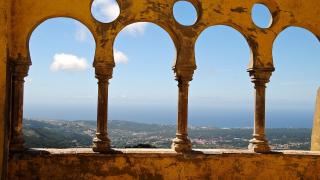
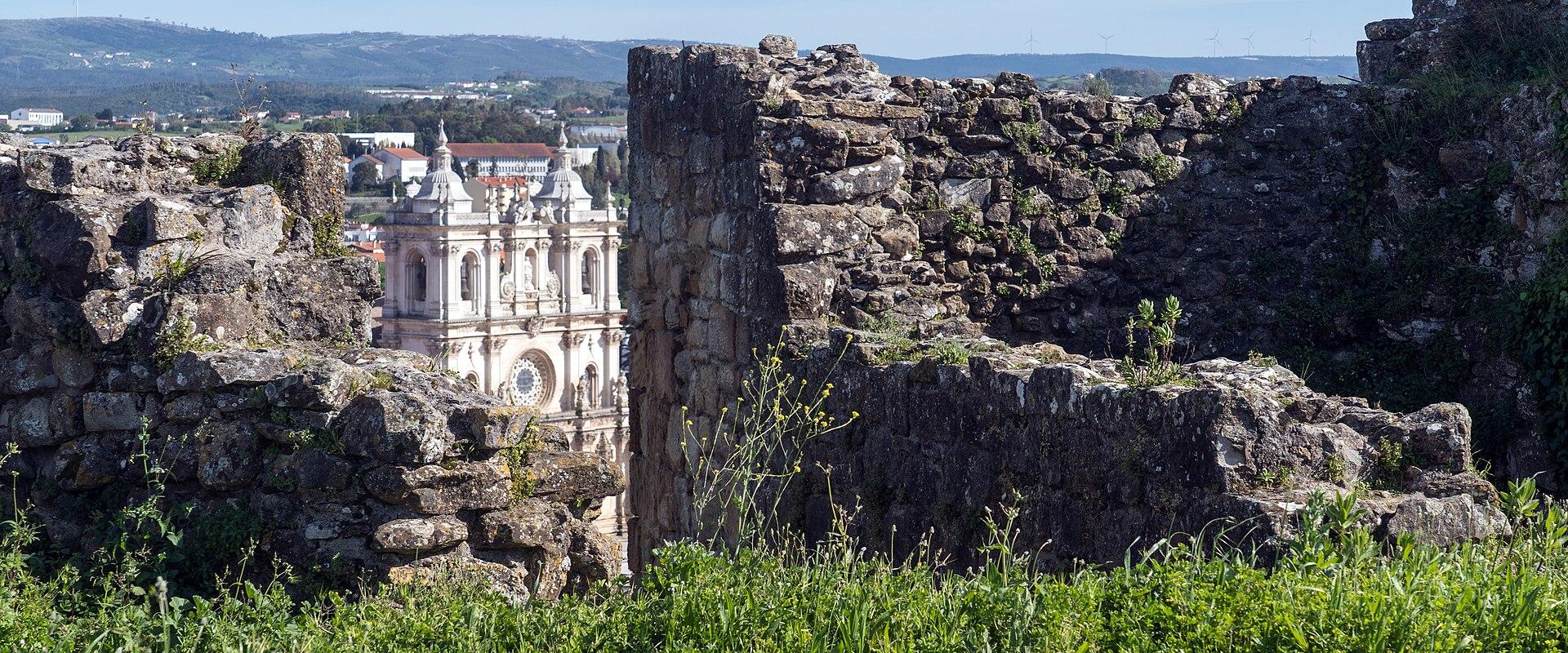
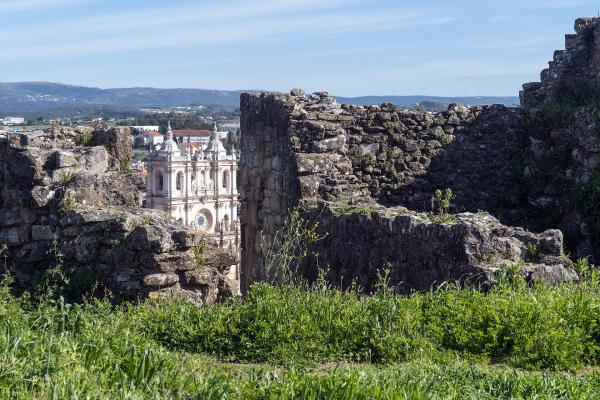
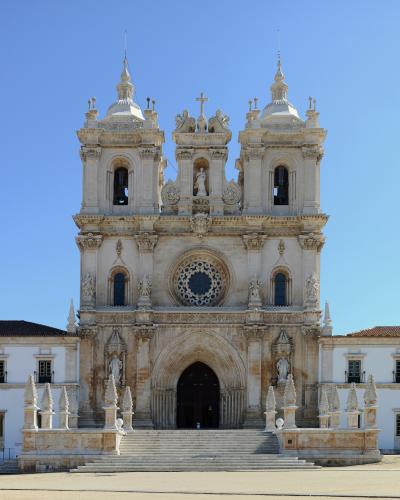
What you can see today are sections of wall, the outlines of towers and the layout of the hilltop enclosure, set among trees and grass. The views are the main reward: the great monastery lies below, its long facade and the bell tower rising above the roofs, and beyond it the town's streets and the green farmland of the valley stretch out. The atmosphere is quiet, and few visitors come here compared with the monastery below, so it is a peaceful spot for a short walk.
Alcobaça offers more to enjoy. The town is known for its conventual sweets, made from egg yolks and sugar by the nuns of the region in times past, and for fruit liqueurs and wines, and many pastry shops sell them. The nearby coast, with the fishing town of Nazaré, famous for its giant waves, is a short drive away, as are the abbey of Batalha and the old walled town of Óbidos. A day trip from Lisbon could combine these.
Check locally for access and any opening arrangements before climbing the hill, as the site is not heavily managed. Wear sturdy shoes, since paths may be steep or uneven, and bring water in summer. The visit takes under an hour. It suits those who like to walk to viewpoints and enjoy ruins in a quiet setting, and it makes a good complement to the monastery.
Categories
More photos coming soon
Nearby Attractions
Other places to visit in Alcobaça
Frequently Asked Questions
Quick Facts
Best Time to Visit
April to October offers pleasant, warm weather for sightseeing and festivals; spring and early autumn are ideal for fewer crowds and lush gardens.