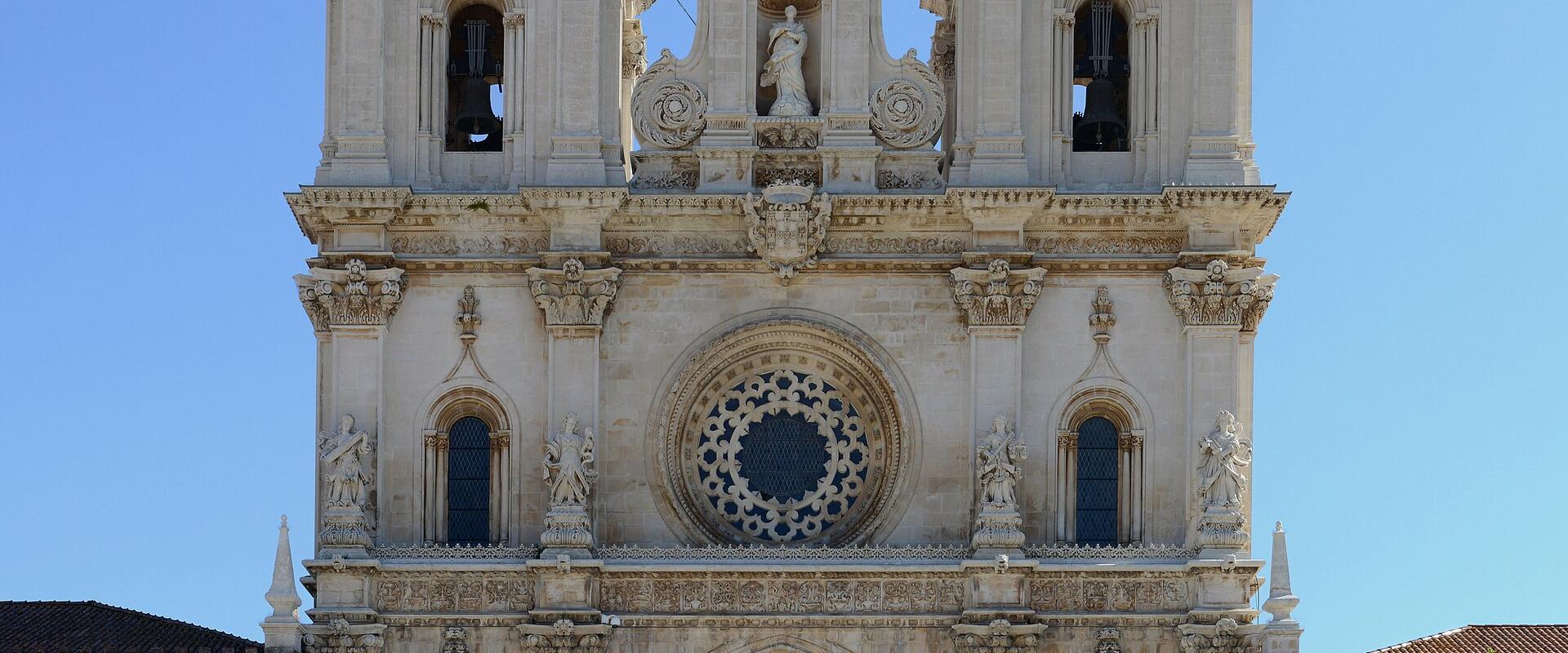
Monastery Of Alcova
UNESCO-listed Cistercian abbey in central Portugal
The Mosteiro de Santa Maria de Alcobaça is the greatest Cistercian monument in Portugal and one of the finest Gothic buildings in Europe. It was founded in 1153 by Afonso Henriques, the first king, who gave land to the monks of Clairvaux in France, led by Saint Bernard, in thanks for the conquest of Santarém in 1147 and to settle and develop the area between the rivers Alcoa and Baça, from which the name derives. The monks drained marshes, planted crops, and built a vast monastery, which became one of the richest and most influential religious houses in the kingdom. UNESCO inscribed the monastery on the World Heritage List in 1989.
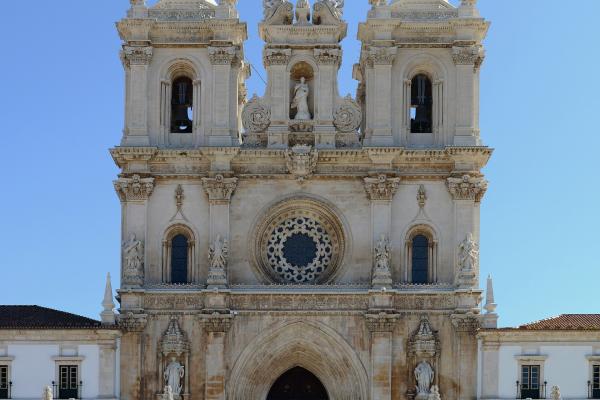
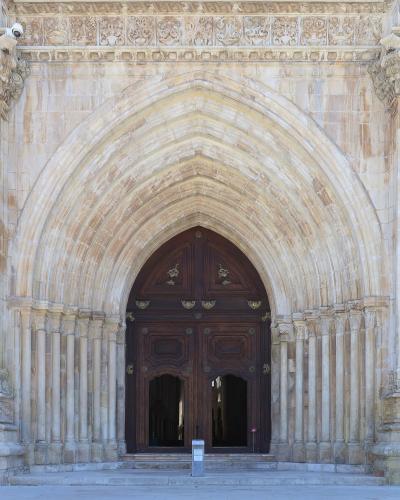
The church, begun in the late 12th century and consecrated in the 13th, is the largest medieval church in Portugal, over a hundred metres long, and it follows the severe Cistercian model, with no decoration, a very tall nave, and aisles of nearly the same height, which give an impression of soaring simplicity. The pale limestone is lit by clear windows, and the effect is serene. The baroque facade, added in the 18th century, hides the Gothic exterior, but the interior has been left as the monks conceived it. Inside lie the tombs of King Pedro I and Inês de Castro, among the most famous in Portugal. Pedro's love for Inês, a Galician noblewoman who was murdered in 1355 on the orders of his father, and his later insistence that she be recognised as queen, produced a legend of lasting love. Their tombs, carved in the 14th century with scenes of the life of Christ and the wheel of fortune, face one another so that, according to tradition, they would see each other on rising at the Last Judgement.
The monastery buildings are large and well preserved. The Cloister of Silence, built under King Dinis, is a beautiful two-storey cloister in Gothic style, with an elegant gallery. The Hall of the Kings is decorated with tile panels and statues of the monarchs. The refectory has a stone pulpit from which a monk read to the others while they ate, and the kitchen has a huge central chimney, rebuilt in the 18th century, large enough, according to a popular story, to roast a whole ox. The monks' dormitory is a long vaulted hall.
Access to the church is free, with a charge for the monastery buildings, and the site is open daily. It suits history readers, architecture lovers, and romantics, and it takes about two hours.
Categories
More photos coming soon
Admission Fees
Admission
Entrance to the church is free
Nearby Attractions
Other places to visit in Alcobaça
Frequently Asked Questions
Quick Facts
Best Time to Visit
April to October offers pleasant, warm weather for sightseeing and festivals; spring and early autumn are ideal for fewer crowds and lush gardens.