

Alfama
Lisbon’s oldest district, birthplace of Fado music
Alfama is the oldest district of Lisbon and the one that best preserves the character of the city before the modern age. It spreads down the hillside from the castle to the Tagus, a dense web of lanes, staircases, and tiny squares in which it is easy to lose your way, and that is part of the pleasure. The name comes from the Arabic al-hamma, meaning baths or springs, a reminder that this was the Moorish centre of the town and that hot springs once emerged on the slope. After the Christian conquest in 1147, the district remained a place of sailors, fishermen, and artisans.
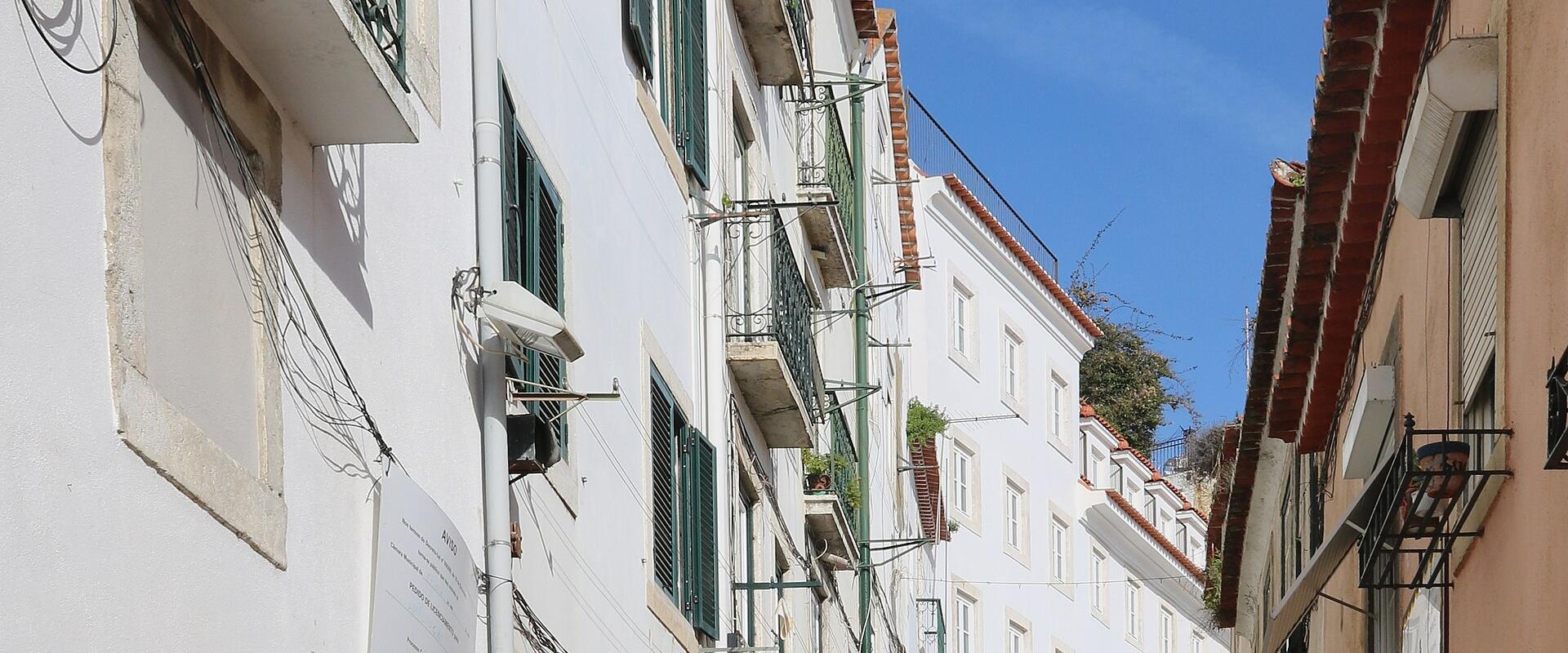
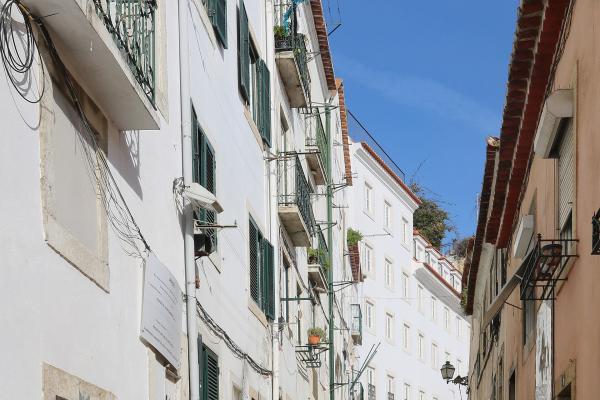
Alfama survived the earthquake of 1755 better than most of Lisbon, because it stands on firm rock rather than on the soft ground of the lower town. The medieval street plan therefore survived, with houses leaning together over alleys barely wide enough for two people, whitewashed walls and coloured doors, balconies hung with washing and potted plants, and small shrines to saints set into the walls. Life spills into the street: neighbours talk across the alleys, cats lie on the steps, and the smell of grilled sardines drifts from open doors in summer.
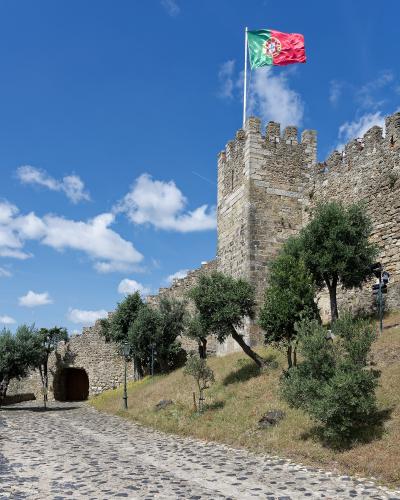
Several major sights lie within or beside the district. The Sé, the cathedral of Lisbon, a fortress-like Romanesque building begun after the conquest, stands at the foot of the hill, and on the slopes above are the church of São Vicente de Fora and the National Pantheon in the old church of Santa Engrácia, with its white dome and terrace view. Houses with diamond-shaped stone facades, known as the Casa dos Bicos, stand on the riverside. The Museu do Fado tells the story of the music that is associated with the district, and in the evenings small restaurants and taverns host fado nights, with singers accompanied by Portuguese guitar. On Tuesdays and Saturdays a flea market, the Feira da Ladra, is held nearby, and on the night of 12 June the whole district celebrates the feast of Saint Anthony with street parties and grilled sardines.
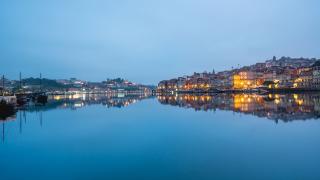
Viewpoints are one of Alfama's joys. The terraces of Santa Luzia and Portas do Sol give wide views of terracotta roofs, church domes, and the river, and are especially lovely at sunset. The district is steep, with many stairs and cobbles, so wear comfortable shoes, and tram 28 and small buses climb its edges. Take care of belongings in crowds.
It suits all visitors, and a slow wander of a few hours is the best way to see it.
Categories
More photos coming soon
Nearby Attractions
Other places to visit in Lisbon
Frequently Asked Questions
Quick Facts
Best Time to Visit
March to May and September to October offer warm weather, fewer crowds, and ideal conditions for sightseeing and outdoor activities in Lisbon.