Belém Tower
16th-century riverside fortress and UNESCO site
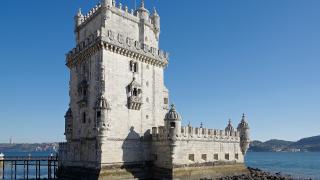
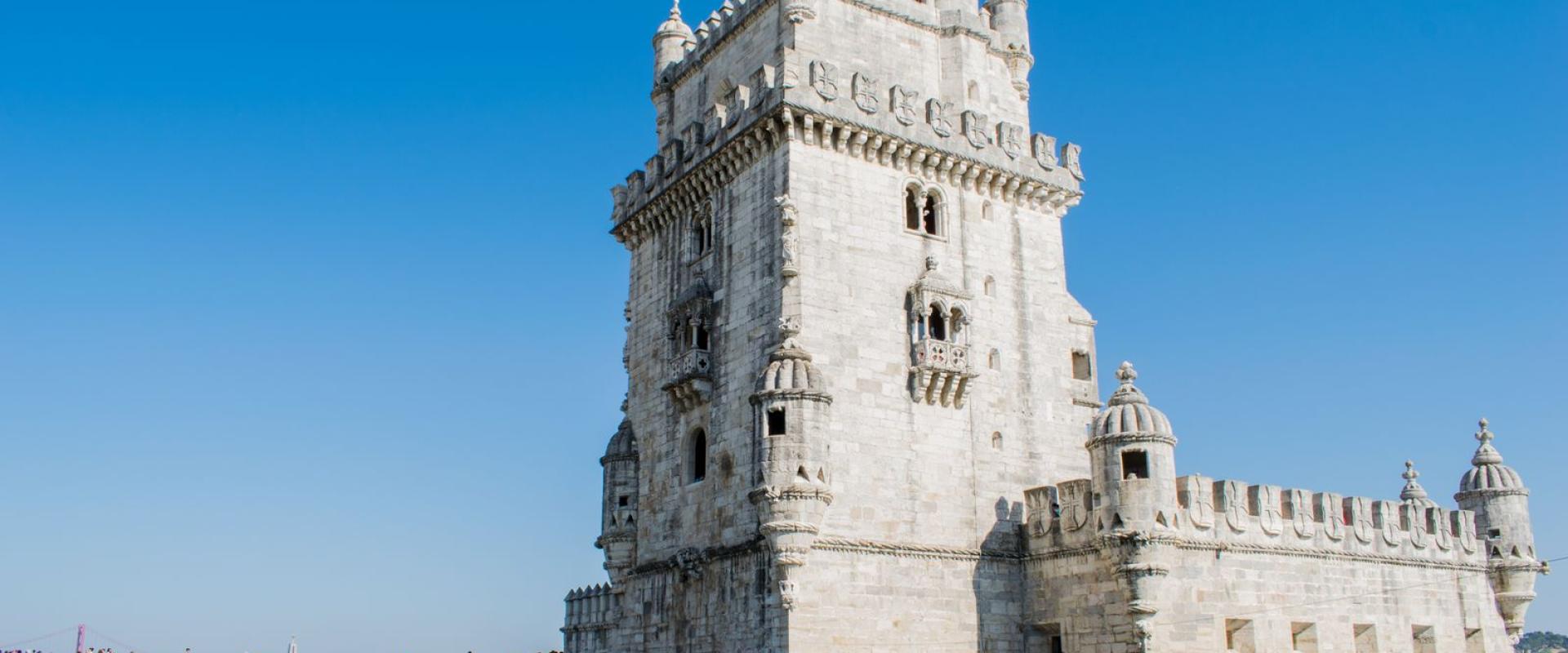
The Torre de Belém is the small, ornate fortress on the bank of the Tagus that has become a symbol of Lisbon and of the age of discovery. It was built between 1514 and 1519 under King Manuel I, to a design by the architect Francisco de Arruda, who had worked on fortifications in Morocco, and its purpose was to guard the entrance to the harbour. At that time the tower stood on a rocky islet in the river, close to the shore, and the river has since shifted so that it now sits at the edge of the bank. It was part of a defensive system with another fort on the opposite side, which crossed fire over the approach to Lisbon.
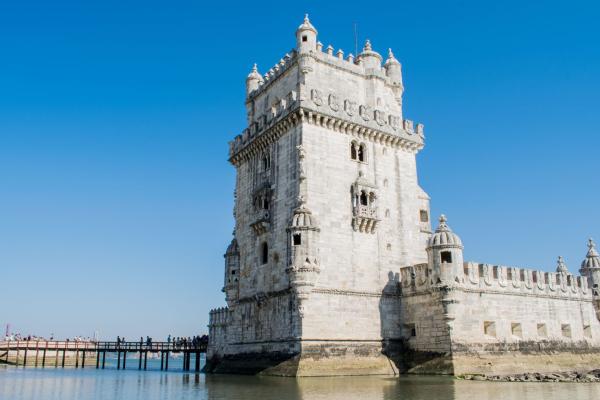
The style is Manueline, the exuberant Portuguese late Gothic named after the king, which mixes maritime and imperial symbols with carved stone ornament. Ropes, knots, armillary spheres, and crosses of the Order of Christ decorate the walls, and small turrets with domes at the corners give the tower a faint look of an Oriental pavilion. A statue of Our Lady of Safe Homecoming, patron of sailors, looks out from a niche. A carved rhinoceros under one turret, thought to be modelled on the animal sent by an Indian ruler to Manuel in 1515, is a surprising detail that fascinates visitors. Many of these decorations were probably intended to proclaim the wealth and reach of the Portuguese crown.
Inside, the tower has several levels. At the base a battery of gun ports faces the river, and a vaulted chamber below was used as a store and later as a prison. Narrow spiral stairs lead to the upper rooms and a terrace with a loggia, from which there are fine views of the Tagus, the Jerónimos Monastery, and the 25 de Abril Bridge. The climb is narrow and sometimes crowded, since only a limited number of visitors can enter at a time, so queues are common in summer.
UNESCO inscribed the tower, together with the nearby Jerónimos Monastery, on the World Heritage List in 1983. The riverside walk from the Monument to the Discoveries to the tower is pleasant, and the Belém district also has the famous custard tart bakery and several museums. Opening times and prices vary, so check before going, and consider buying tickets in advance.
The tower suits history readers, architecture lovers, and families. Arrive early or late in the day to avoid the crowds.
Categories
More photos coming soon
Nearby Attractions
Other places to visit in Lisbon

Frequently Asked Questions
Quick Facts
Best Time to Visit
March to May and September to October offer warm weather, fewer crowds, and ideal conditions for sightseeing and outdoor activities in Lisbon.