Camera Obscura (in Old Water Tower)
360-degree view of Tavira from a historic tower
The Camera Obscura in Tavira is housed in the Torre de Tavira, an old water tower that rises above the roofs near the castle. The tower was built in the 20th century to store the town's water supply, and has been converted into a viewing point with a camera obscura in the top room, one of the few such installations in Portugal. A lift takes visitors up, so the viewing floor is accessible to people who find stairs difficult.
A camera obscura is a very old optical device, and the principle is simple. A lens and a mirror at the top of the tower collect light from outside and project a live, moving image onto a white concave table in a darkened room. The guide can rotate the mirror to sweep around the whole horizon, and by moving the lens up and down, he or she can zoom in on specific streets, rooftops or the river. Nothing is recorded or digital: what you see is what is happening at that moment, from boats on the water to people in the squares, and it is a surprisingly compelling way of looking at a town. The effect works best on a bright, clear day, when the image is sharp and the colours vivid.
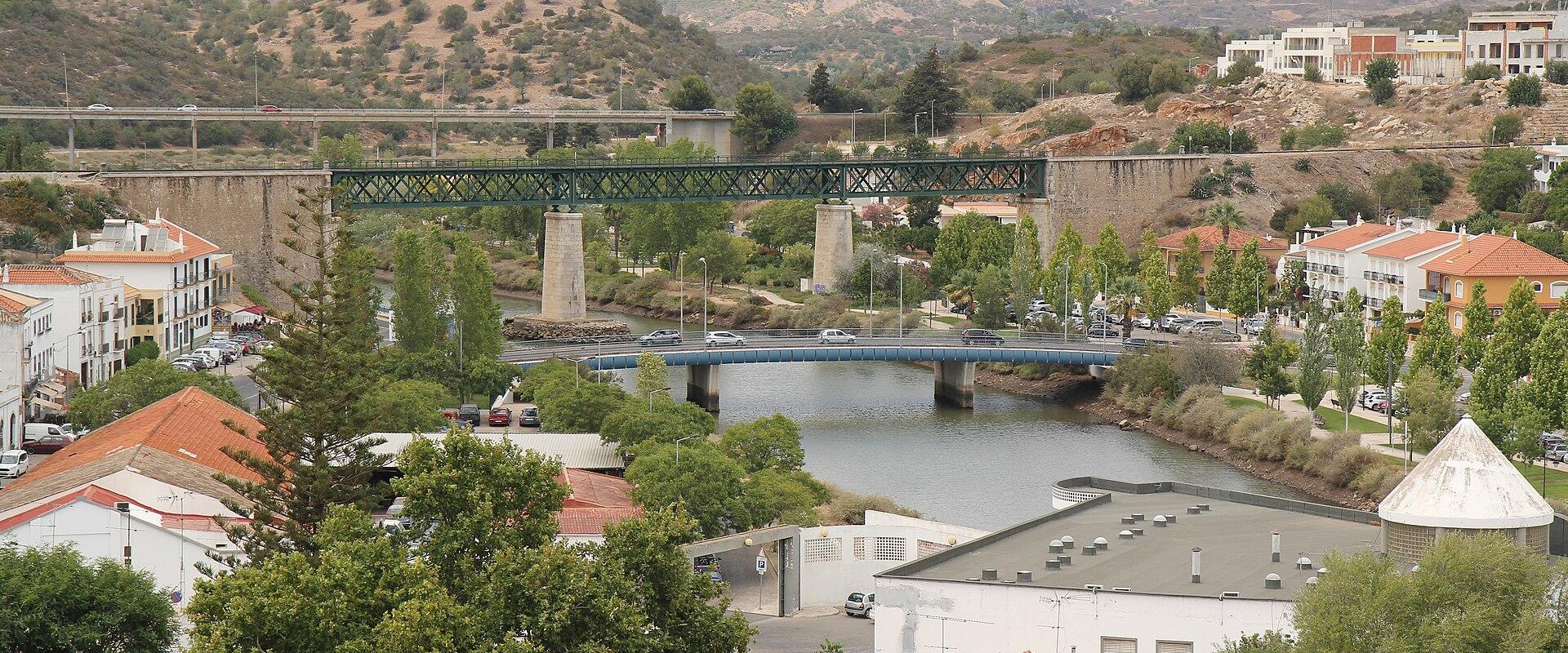
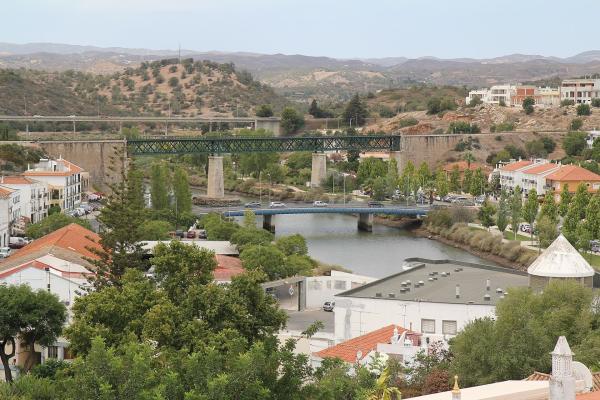
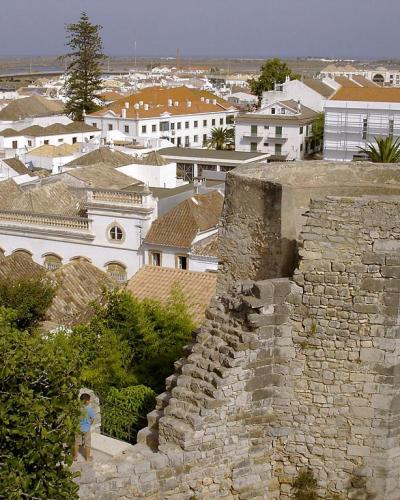
The view covers the layout of Tavira, a town divided by the Gilão River and joined by an old bridge known as the Roman bridge, although its present form is medieval. You can pick out the distinctive pyramid-shaped tiled roofs for which the town is known, the domes and towers of its many churches, and the walls of the castle. Beyond them lie the lagoon of the Ria Formosa and the barrier island of Ilha de Tavira, and inland the first hills of the Serra do Caldeirão. Presentations are usually given by a guide, who explains the history of the town and points out the main landmarks, in several languages.
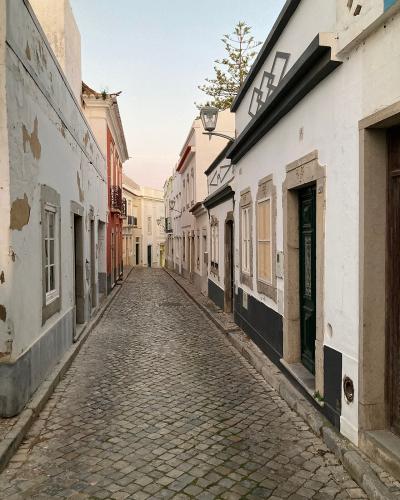
The tower is located in the old town, which makes it simple to combine with other sights. Tavira Castle, a short walk away, has a quiet garden inside its walls, and the Old Town of Tavira, with its whitewashed houses and churches, rewards slow wandering. Boat trips on the Gilão and into the Ria Formosa leave from the riverside, and ferries serve the island beaches.
The visit lasts a short time, so it fits into a morning or an afternoon between other activities. Sessions are timed and are best when the sun is high, so check the current schedule locally. It suits families, curious travellers and anyone who wants to orient themselves before exploring on foot.
Categories
More photos coming soon
Nearby Attractions
Other places to visit in Tavira
Frequently Asked Questions
Quick Facts
Best Time to Visit
June and September offer warm, sunny weather and fewer crowds; spring and autumn are also pleasant for sightseeing and enjoying Tavira’s beaches.