Tavira
Historic riverside town with island beaches and Moorish charm
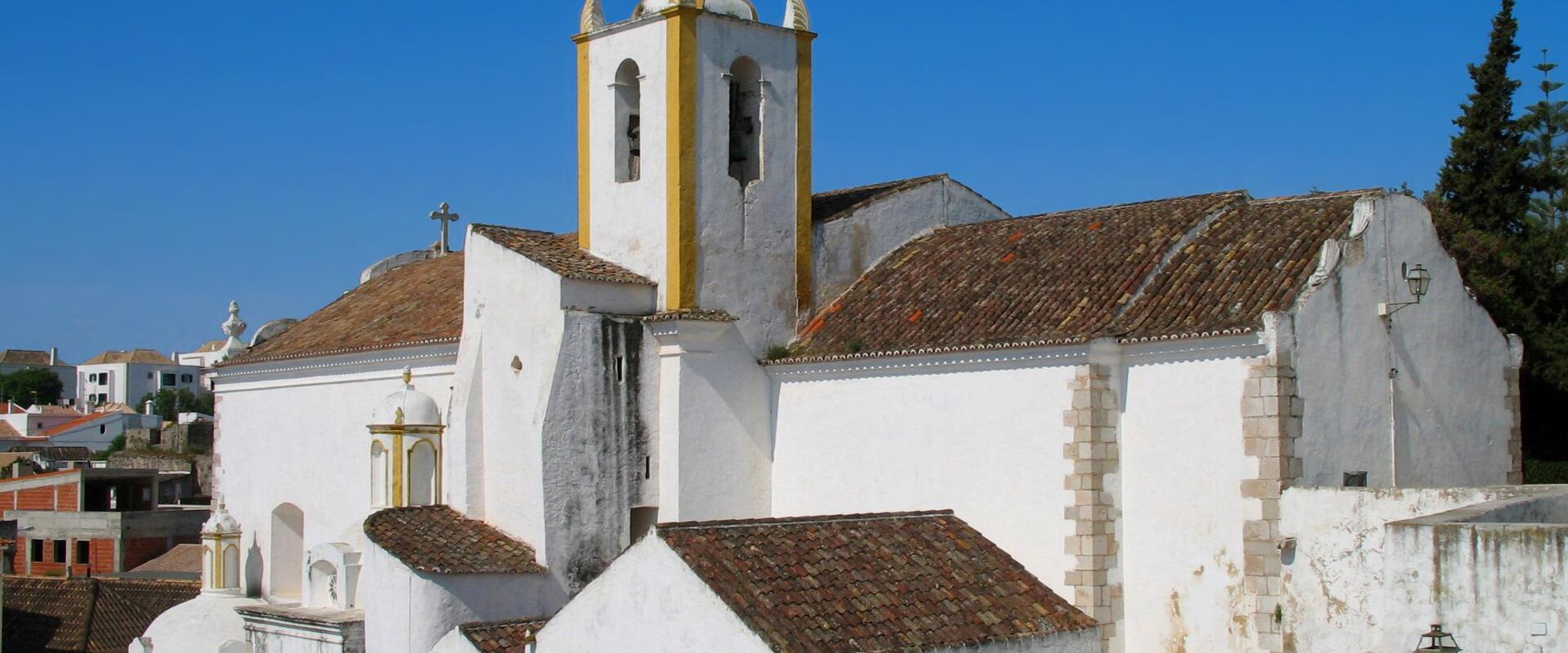
Tavira, often described as one of the Algarve’s most enchanting towns, offers a unique blend of history, culture and natural beauty. Its origins date back to Phoenician and Roman settlements, but Tavira’s character was shaped by centuries of Moorish rule, evident in its architecture, street layout and the remnants of its ancient castle. After the Christian reconquest in the 13th century, Tavira flourished as a port and fishing center, leaving a legacy of grand churches and elegant civic buildings. In the sixteenth century it was one of the most important towns in the Algarve, and a large part of its present appearance dates from the rebuilding that followed the earthquake of 1755.
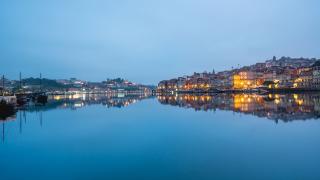
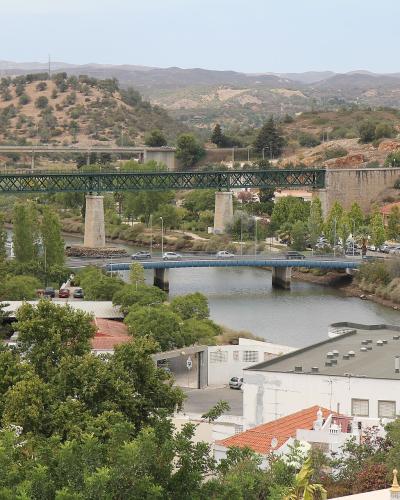
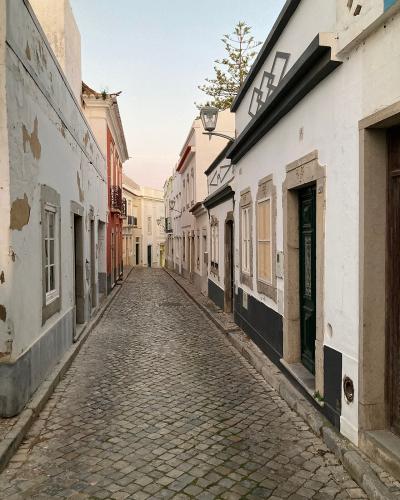
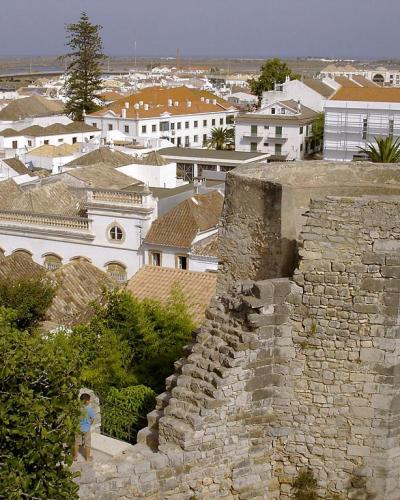
The center of Tavira is its historic center, where visitors can wander narrow cobbled streets lined with whitewashed houses, wrought-iron balconies and traditional azulejo tiles. The Roman Bridge (Ponte Romana), spanning the Gilão River, is a symbol of the town and a perfect spot for photos or a riverside stroll, although the present structure is of later date. Overlooking the town is the Castelo de Tavira, a partially restored castle with medieval walls and towers offering panoramic views of the rooftops and river. The castle’s gardens are a tranquil retreat, especially in spring when flowers are in bloom. A camera obscura in the old water tower projects a live image of the town onto a screen.
Tavira is renowned for its wealth of churches—over 20 in the town center alone. Highlights include the Igreja de Santa Maria do Castelo, built on the site of a former mosque, and the Igreja da Misericórdia, known for its Renaissance portal and blue-and-white tile panels. The Núcleo Islâmico Museum explores Tavira’s Moorish past, while the Tavira Municipal Museum, housed in the former Convento da Graça, showcases local history and art. Boat trips on the river and the lagoon give another view of the town.
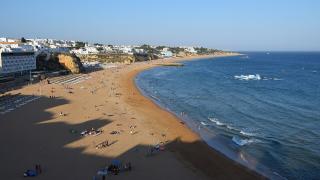
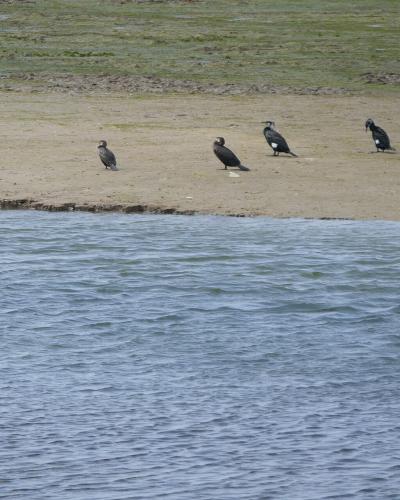
Nature lovers are drawn to the Ria Formosa Natural Park, a protected lagoon system just south of town. This area is a haven for birdwatchers, with flamingos, spoonbills and other migratory species frequenting its salt marshes and tidal flats. The park is also a gateway to Tavira Island (Ilha de Tavira), a long, sandy barrier island accessible by ferry or water taxi. The island’s beaches, including Praia de Tavira and Praia do Barril, are among the Algarve’s finest, offering golden sand, clear waters and a relaxed, family-friendly vibe. Praia do Barril is famous for its anchor cemetery, a poignant reminder of the region’s tuna fishing heritage. The beach is reached on foot or by a small train across the lagoon.
Tavira’s culinary scene reflects its coastal location and multicultural influences. Fresh seafood, octopus and clams are local staples, best enjoyed at riverside restaurants or in the lively Mercado da Ribeira. The town also hosts regular markets, festivals and summer concerts, adding to its vibrant atmosphere. Visits to a chocolate factory, tuk-tuk rides through the old town and the fig and almond sweets of the region are among the other pleasures.
Getting to Tavira is easy, with regular trains and buses connecting the town to Faro (about 30 minutes away) and other Algarve destinations. The town is compact and walkable, though bicycles are a popular way to explore the surrounding countryside and salt pans. Accommodation ranges from boutique hotels in historic buildings to beachside resorts and rural guesthouses.
The best time to visit Tavira is in June or September, when the weather is warm and sunny but the crowds of high summer are fewer. Spring and autumn are also pleasant, with mild temperatures and blooming landscapes. For history, nature or relaxation by the sea, Tavira offers a memorable and authentic Algarve experience.
Best Time to Visit
June and September offer warm, sunny weather and fewer crowds; spring and autumn are also pleasant for sightseeing and enjoying Tavira’s beaches.
Did you know?
Interesting, verified facts about Tavira
Tavira's "Roman Bridge" Is Mostly Not Roman
HistoryTavira's iconic seven-arched Ponte Romana spans the River Gilão at the heart of town, and its name nods to the Roman road that once linked nearby Balsa — a genuine Roman town about 7 km away — to Castro Marim. But the bridge visitors photograph today is not a Roman structure: heritage records show the crossing, probably Roman in origin and first documented at the city's reconquest from the Moors in 1242, was almost entirely rebuilt in 1655–1657 by architect Mateus do Couto, and two of its arches had to be reconstructed again after a devastating flood in 1989. The romantic name stuck, and the now-pedestrianized bridge remains the town's best-loved landmark.
Source: WikipediaPlan Your Visit to Tavira
Essential travel tips and information for your trip to Tavira.
Suggested Itineraries
Discovering Tavira
1 dayOne-day exploration of Tavira's historic Old Town and Gilão River
View ItineraryTravel Tips
Currency
EUR • Cards widely accepted
Language
Portuguese • English in tourist areas
WiFi
Free WiFi in cafes and hotels
Explore Tavira by Interest
Discover attractions and experiences in Tavira organized by your interests and travel preferences.

All attractions in Tavira
Sorted by our recommendation score
Quick Facts
Book your stay
Frequently Asked Questions
More destinations in Algarve
Explore other amazing places in the Algarve region