Castle Of Beja (Castelo De Beja) / Torre De Menagem
40m medieval keep in Beja, Portugal
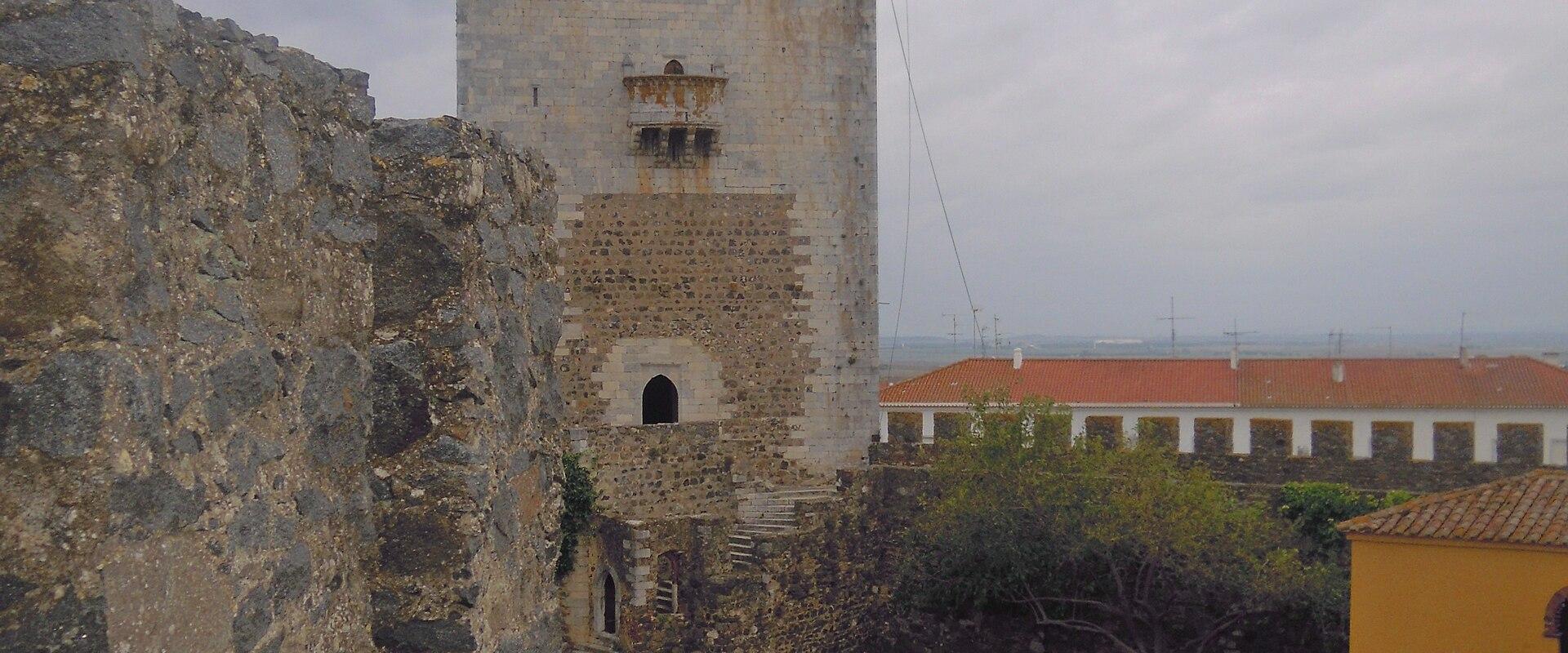
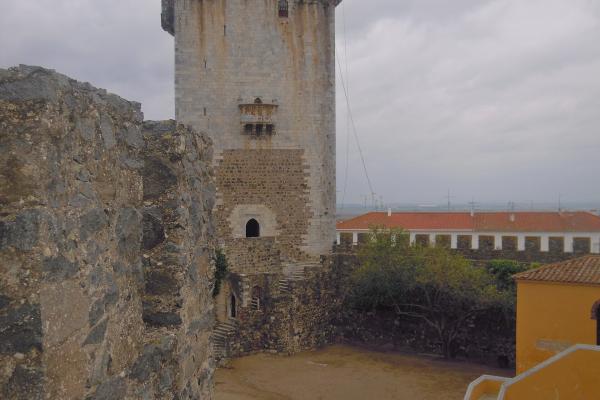
The keep of Beja Castle is the tallest medieval tower of its kind in Portugal, and from far out on the flat plains of the Baixo Alentejo it can be seen rising above the roofs of the town. About forty metres high, it is the most conspicuous feature of the castle and a masterpiece of Gothic military architecture. The tower was built in the early 14th century under King Dinis, who ordered many castles to be strengthened along the frontier, and it is generally dated to the first years of that century.
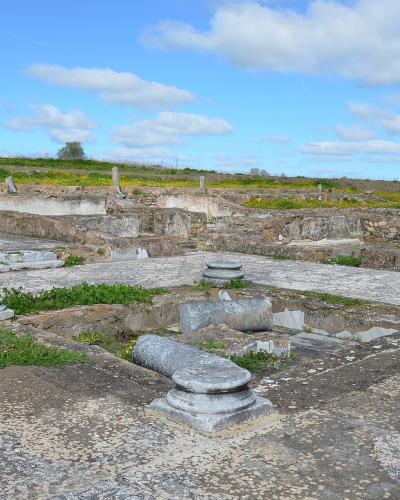
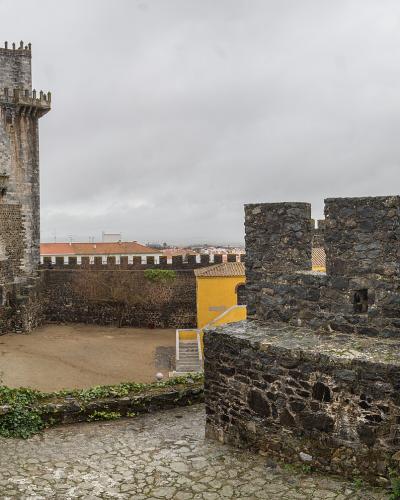
Beja itself is a very old town. In Roman times it was Pax Julia, an important regional capital, and the Romans, Visigoths, and Muslims all fortified the site in turn. The castle was rebuilt after the Christian conquest in the 13th century, and parts of its walls incorporate stone from earlier periods, including blocks of marble and limestone that can be recognised by their different colours. The keep stands at one corner of the walls, built of mixed masonry, with thick walls and small openings, so that it looks like a vertical fortress within the fortress.
A visit gives access to the interior. Three levels of vaulted rooms, entered through pointed ogival doorways, are connected by a long spiral staircase in the thickness of the wall. The vaults are carefully worked, with ribs rising to central bosses, and the rooms are cool even in the summer heat. At the top, a terrace behind battlements gives a wide view across the town, the red-tiled roofs, and the flat plain of the Alentejo, with fields of wheat, olive groves, and cork oaks stretching to the horizon. The view is especially fine in spring, when the fields are green, and in late afternoon, when the light softens. A small military museum is housed in part of the building.
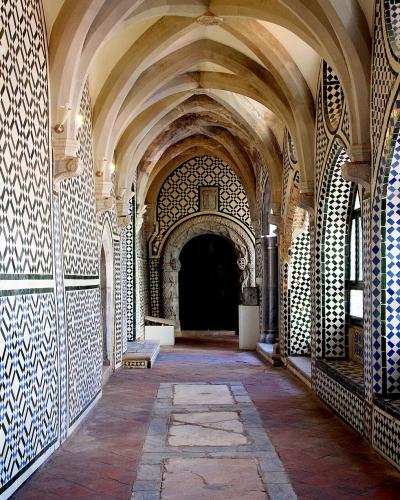
The castle forms part of a pleasant route through Beja. The Convent of Conceição, now the Museu Regional Rainha Dona Leonor, with its Gothic and Manueline architecture and a fine collection of tiles, is home to the story of Sister Mariana Alcoforado, to whom the famous Portuguese Letters were long attributed. The church of Misericórdia and the Roman remains complete a good day. The region is known for its sweet conventual pastries and for the cante alentejano, a polyphonic singing tradition.
The tower has a steep climb, so wear comfortable shoes, and check opening times before visiting. It suits history readers, photographers, and families.
Categories
More photos coming soon
Nearby Attractions
Other places to visit in Beja
Frequently Asked Questions
Quick Facts
Best Time to Visit
Spring (mid-April to mid-June) and autumn (mid-September to early October) offer warm, pleasant weather and vibrant countryside for exploring Beja.