
Convent Of Conceição (Museu Da Rainha D. Leonor)
15th-century Gothic convent in Beja, Portugal
The Convento de Nossa Senhora da Conceição in Beja is one of the most important Gothic and Manueline monuments of the Alentejo, and it now houses the regional museum, named after Queen Leonor, who was born in the town in 1458. The convent was founded in 1459 by Infante Fernando, the Duke of Beja, and his wife, Infanta Beatriz, who were the parents of Queen Leonor and of King Manuel I. It was given to nuns of the Poor Clares, and for centuries it was a place of retreat for women of rank and others from the region.
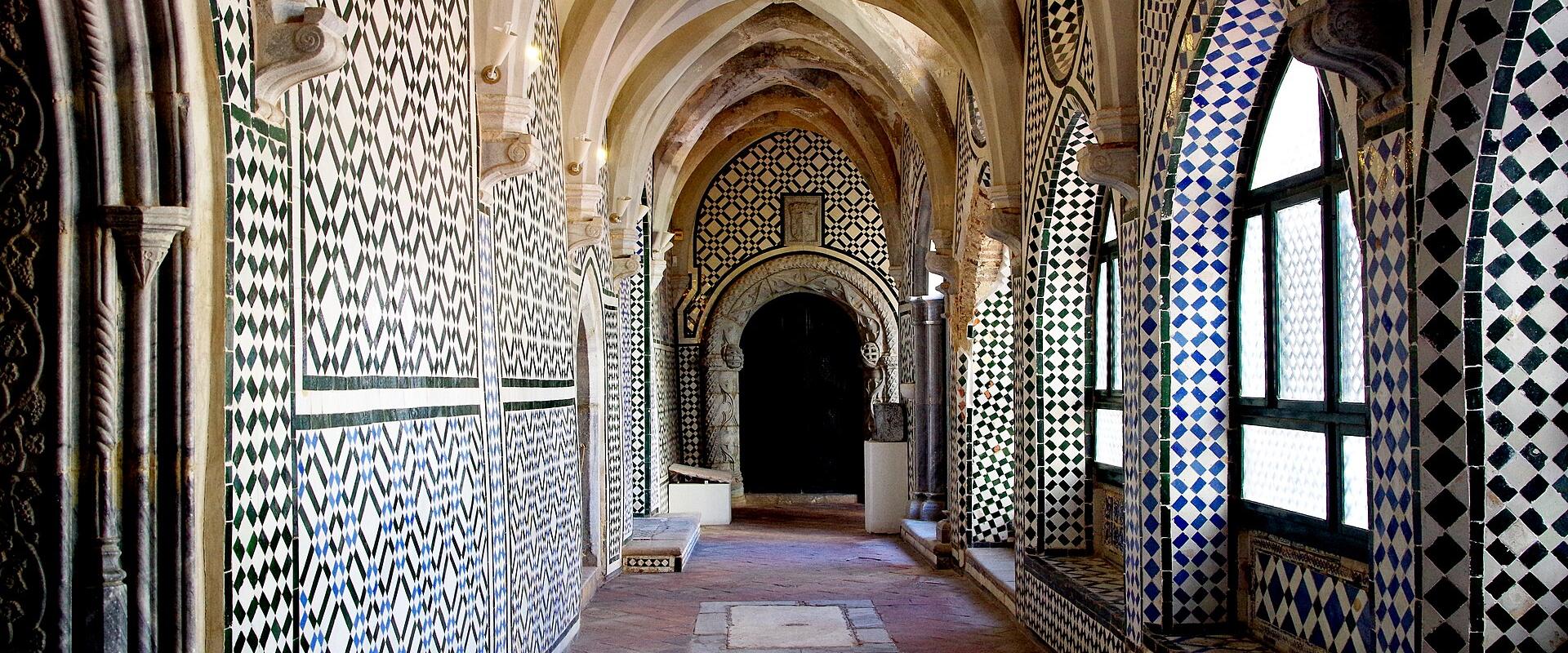
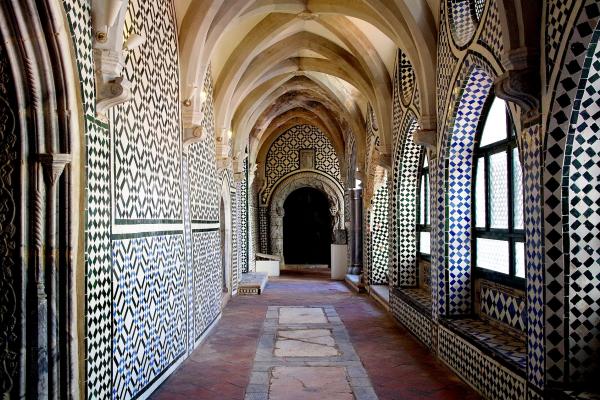
The architecture is the product of several periods. The original late Gothic building was enriched in the early 16th century, in the reign of Manuel I, by Manueline additions, which are visible on the main portal, the windows, and the chapter house, with carved ropes, vegetation, and the emblems of the royal house. The cloister is calm and well proportioned, and the walls of the cloister and several rooms are covered with azulejos, including some of the early tiles in a Hispano-Moorish style, with geometric patterns in green, blue, and yellow, as well as later 17th- and 18th-century panels. The church, with a Baroque chancel, is richly decorated with gilded woodwork and painting, and shows how successive generations adapted the building to changing tastes.
The convent is also known for a literary story. Sister Mariana Alcoforado, a nun here in the 17th century, was long believed to be the author of the Portuguese Letters, five passionate letters to a French officer, which were published in Paris in 1669 and became a European sensation. Scholars now debate the authorship, but the legend remains strong, and visitors are shown a window where Mariana is said to have seen her lover. The tale adds a romantic note to the building.
The museum collections cover a wide range. Archaeology from the Roman town of Pax Julia, Visigothic remains, and medieval stonework are displayed alongside paintings, sculptures, and religious objects. The tile collection is a highlight, and the building itself is the best exhibit.
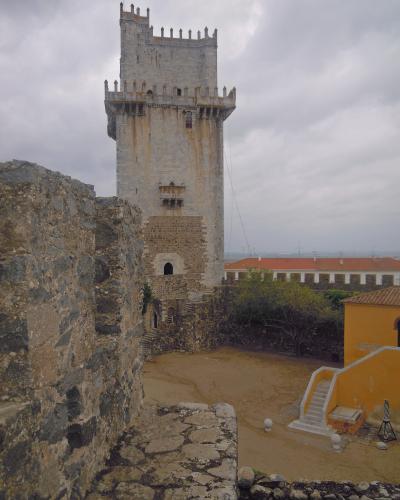
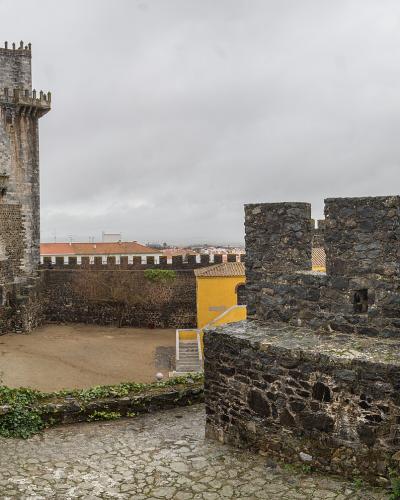
The convent is a short walk from the castle and the centre of Beja, so it makes a natural pair with the keep. Opening times vary, so check before going. It suits history readers, art lovers, and anyone interested in Gothic and Manueline architecture. Allow around an hour and a half.
Categories
More photos coming soon
Nearby Attractions
Other places to visit in Beja
Frequently Asked Questions
Quick Facts
Best Time to Visit
Spring (mid-April to mid-June) and autumn (mid-September to early October) offer warm, pleasant weather and vibrant countryside for exploring Beja.