

Roman Ruins (ancient Streets/palaces)
1st-century Roman villa with ornate mosaics
The Roman villa of Pisões lies in the open countryside outside Beja, in the Alentejo, and it is one of the best places in southern Portugal to see how a wealthy Roman landowner lived. Beja itself was the Roman town of Pax Julia, a significant regional centre in the Roman province of Lusitania, and the estates around it grew wheat, olives and vines on the fertile plains. Pisões was one of the grandest of these country houses.
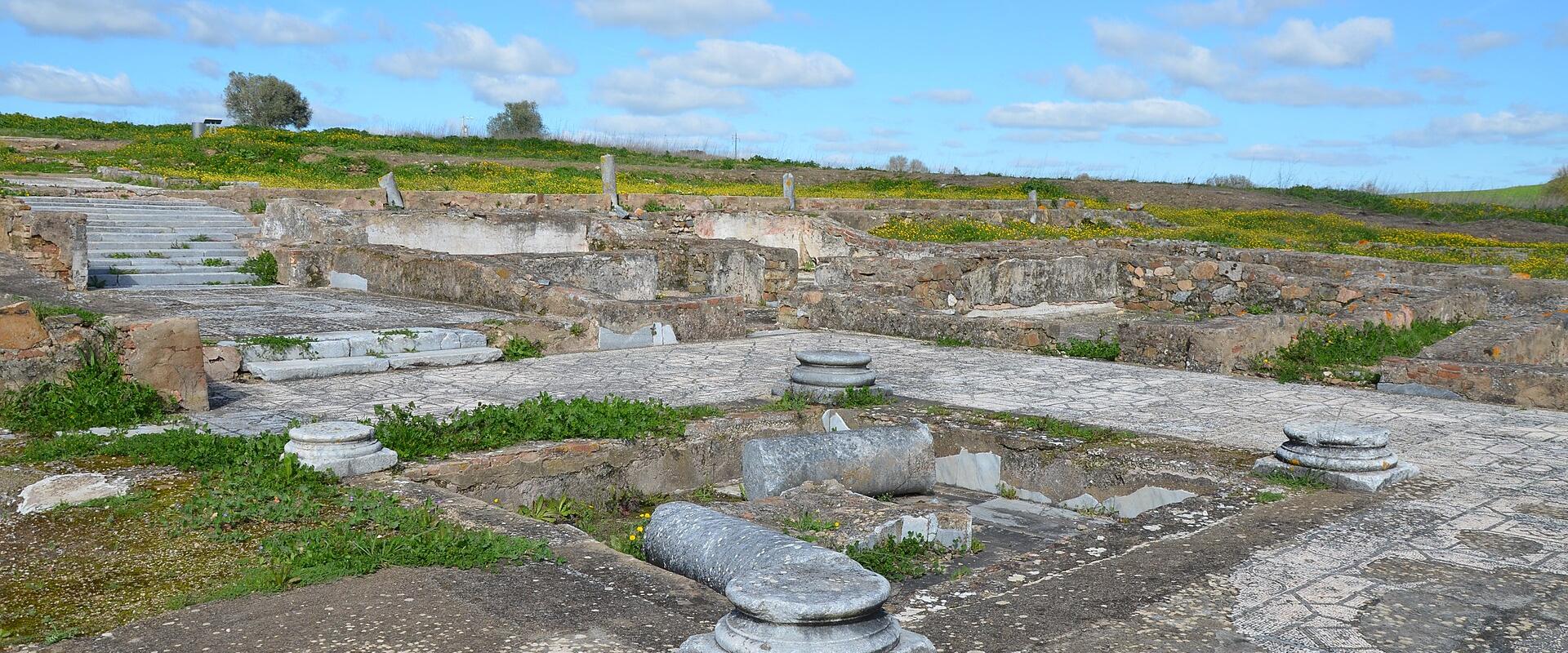
The villa was discovered in the 1960s and has been excavated over several decades. It was occupied from the 1st century AD and developed over the following centuries, with major building phases up to the 4th century. The layout is that of a large country residence built around a courtyard with a peristyle, a colonnaded garden of the kind found in the finest houses across the empire. The manor house is said to have had around 48 rooms, and visitors can still make out the plan of living rooms, service areas and baths.
The mosaics are the highlight. Some of the floors survive in good condition, with geometric patterns and fine tesserae in warm colours, and the baths have the usual sequence of heated rooms and plunge pools. A large rectangular water feature, a kind of ornamental pool known as a water mirror, faces south and gives the house a formal setting. A remarkably well-preserved Roman dam is also part of the complex, which shows how the owners controlled water for irrigation and for the house. The scale of these works reflects how much money the owners had.
This is not a polished tourist attraction. The site is low-key, uncrowded and unpolished, which is part of its appeal: you walk among the walls with the wind in the fields and often with few other visitors. The site is managed by the University of Évora, and visits are by prior arrangement, so book ahead through the university rather than turning up. The villa is open on most days except Monday, with a break at midday, and a small entry fee applies. Check current conditions before you go, as access may change with excavation seasons.
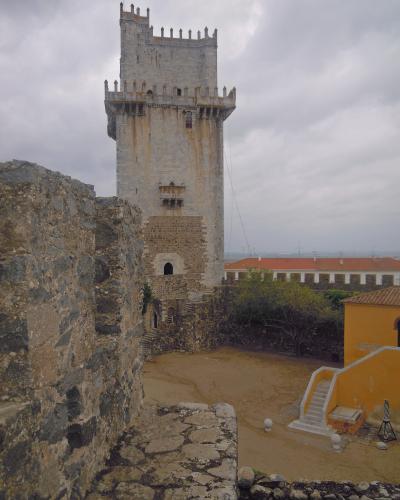
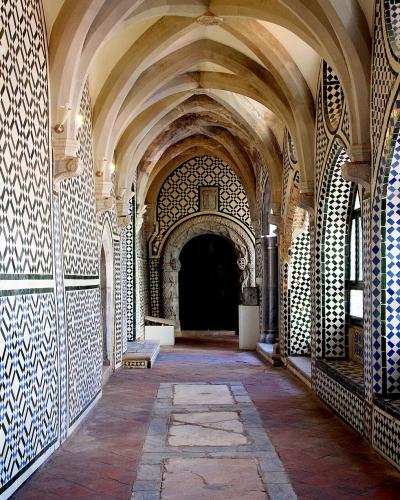
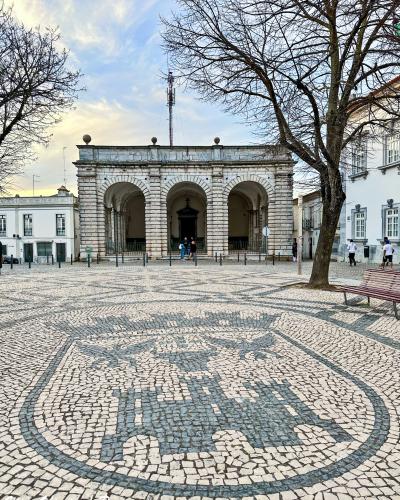
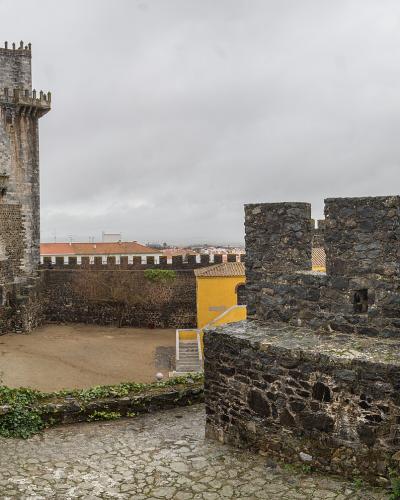
Combine the visit with a day in Beja. The town's castle has a tall Gothic keep that is a landmark across the plain, and the Convent of Nossa Senhora da Conceição, now the Queen Leonor Museum, is linked with the story of Mariana Alcoforado, the nun of the famous 17th-century love letters. The Church of the Misericórdia is another point of interest in the old centre. Spring, when the plains are green and carpeted with wildflowers, is the best season, while midsummer can be extremely hot in the open site. The villa suits history lovers, mosaic enthusiasts and anyone who likes quiet archaeological sites.
Categories
More photos coming soon
Hours & Fees
Hours
Tuesdays to Sundays, 9:00 a.m. to 12:30 p.m. and 2:00 p.m. to 5:00 p.m.
Admission
€3.00
Nearby Attractions
Other places to visit in Beja
Frequently Asked Questions
Quick Facts
Best Time to Visit
Spring (mid-April to mid-June) and autumn (mid-September to early October) offer warm, pleasant weather and vibrant countryside for exploring Beja.