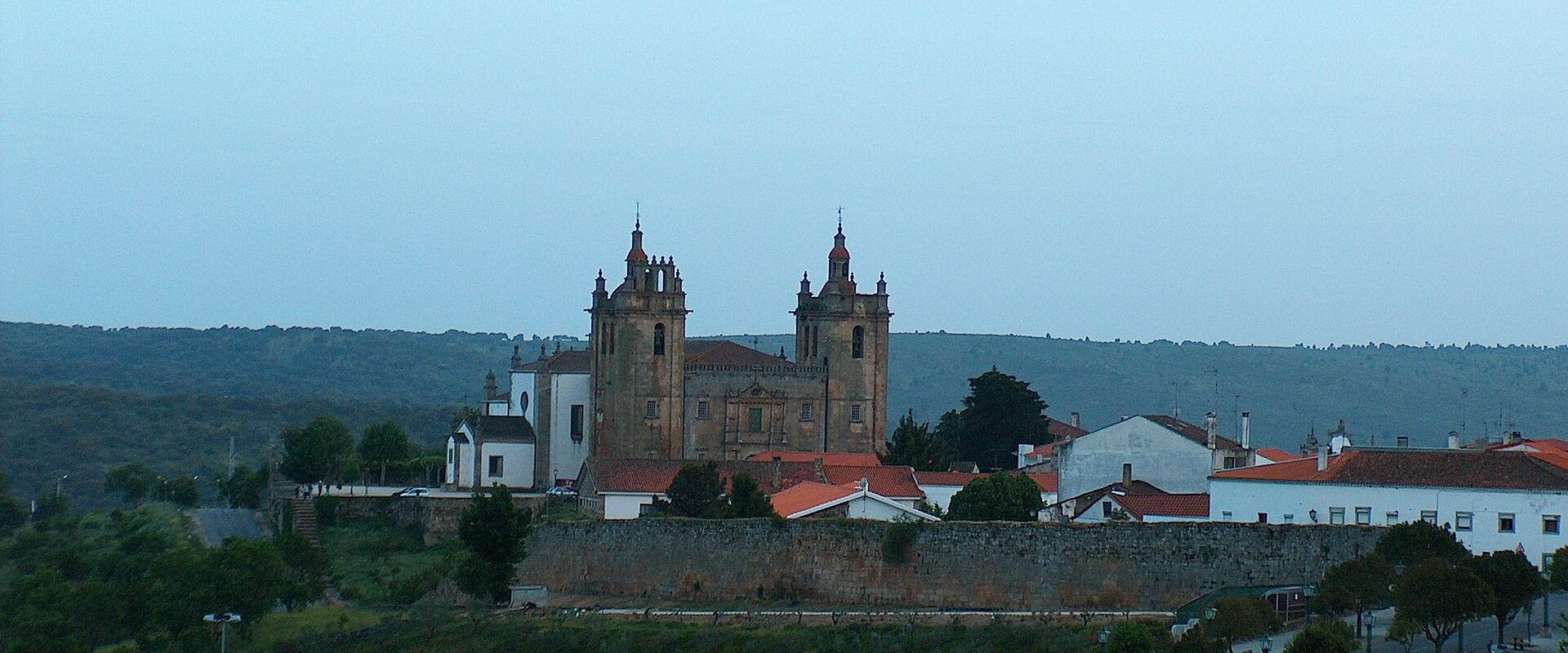
Cathedral Of Miranda Do Douro (Sé De Miranda Do Douro)
16th-century Mannerist co-cathedral in Miranda do Douro
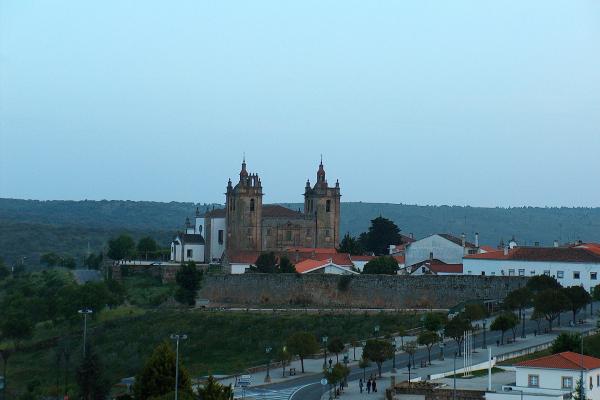
The cathedral of Miranda do Douro is the grandest building in one of the most remote towns in Portugal, and its scale and quality reflect a time when this border settlement was an important religious and military centre. It stands on the edge of the old town, on a plateau above the Douro gorge, close to the Spanish frontier, and its plain granite facade with two towers dominates the square in front. The interior is a surprise, vast and high and filled with gilded altarpieces.
The town's importance dates from the 16th century. In 1545, Miranda was made the seat of a new bishopric, created by Pope Paul III at the request of King João III, to give the frontier region its own church leadership, and the old Gothic parish church of the 14th century was judged too small to serve as a cathedral. A new building was begun in 1552 and took several decades, being consecrated in 1586 and finished in the early 17th century. The architects drew on the Renaissance and Mannerist style, which favoured clear, balanced proportions and restrained decoration, and the result is a calm and monumental church. In 1770, the bishopric was moved to Bragança, and Miranda's church became a co-cathedral, a status it retains, and it is protected as a national monument.
Granite is the material, as everywhere in the region, and gives the exterior its austere dignity. A broad facade has a central portal and two towers, with sober classical details, and the side walls are supported by buttresses. Inside, the church has three naves of similar height, divided by columns and covered with ribbed vaults, creating a hall-like space that is full of light. The main altarpiece, a monumental work of carved and gilded wood from the 17th century, rises behind the altar in a cascade of columns, figures and ornament, and several side altarpieces of the 17th and 18th centuries show the rich Baroque taste that later enriched the interior. The contrast between the plain exterior and the dazzling gilded interior is a characteristic of Portuguese churches. The cathedral also has a sacristy, choir stalls and a collection of religious art.
A local devotion adds colour. In Miranda, the Child Jesus is venerated in a special form, the Menino Jesus da Cartolinha, depicted wearing a black top hat and a cape, according to a tradition that dates from the 19th century, and the image is associated with the town's cathedral and with a feast held in early January. The cathedral also takes part in the town's festivals, which include the stick dances of the pauliteiros.
Opening hours differ between summer and winter, with a midday break and a closure on Mondays and some holidays, so check before going. Entrance is free, and an audio guide may be available on smartphones. Dress modestly, since it is an active church. The cathedral suits architecture lovers and anyone exploring the old town and the nearby canyon.
Categories
More photos coming soon
Nearby Attractions
Other places to visit in Miranda do Douro
Frequently Asked Questions
Quick Facts
Best Time to Visit
Spring (April-May) and autumn (September-October) offer mild weather, lush landscapes, and vibrant festivals for exploring Miranda do Douro and the Douro gorge.