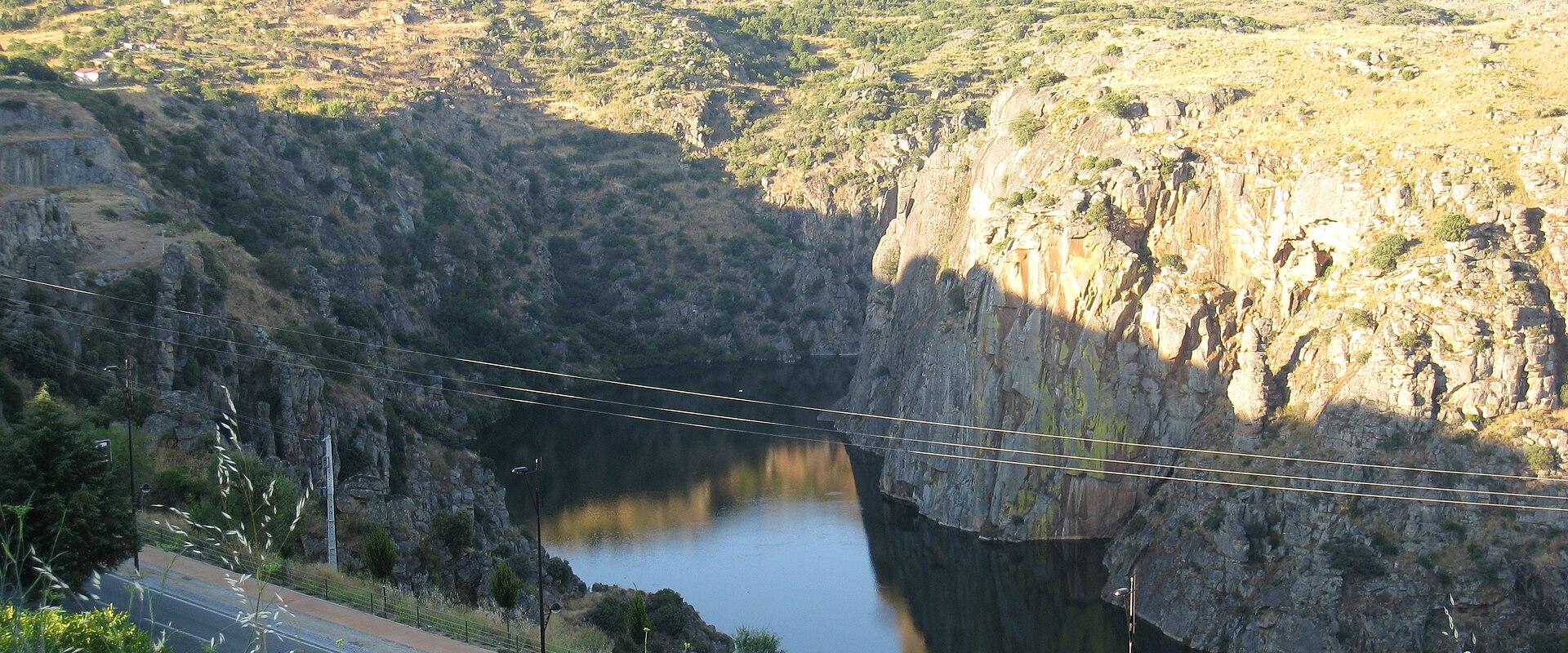
Miranda Do Douro River Beach (Praia Do Rio)
River beach in Miranda do Douro, Portugal
Miranda do Douro stands at the far north-east corner of Portugal, on the edge of a deep canyon where the Douro river forms the border with Spain. It is one of the most isolated towns in the country, and it has a character quite unlike the coast or the south: a walled town of granite houses, a Renaissance cathedral, a local language of its own and a tradition of folk dance. The river beach is one of the simplest pleasures of the place, a spot where people go to swim and sunbathe in the hot summer months in a landscape of rock and water.
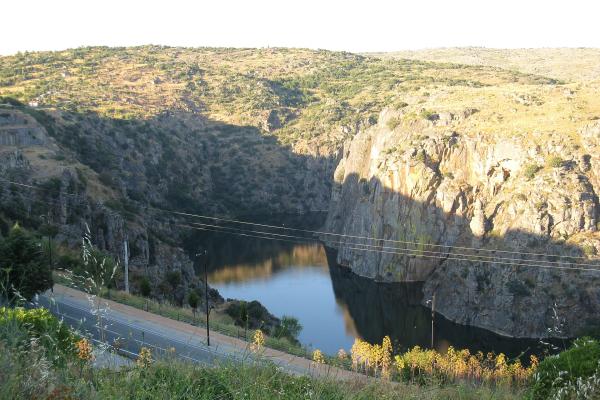
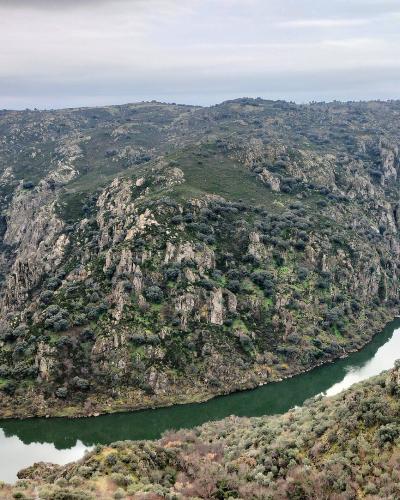
The Douro here is a very different river from the one that runs between the vineyards of Pinhão. It flows in a narrow gorge cut through ancient granite, with cliffs that rise a hundred metres or more on both sides, and dams have turned stretches of it into long, calm reservoirs. This part of the river is protected within the Douro International Natural Park, which includes the canyon on the Portuguese side and adjoins the Arribes del Duero park in Spain. The cliffs are home to a remarkable community of birds, including griffon and Egyptian vultures, black storks, golden eagles and Bonelli's eagles, which nest on the rock faces, and boat trips from Miranda go along the gorge to see them.
A river beach in this setting is an informal affair, with bathing places along the bank where the water is calm and people can swim in summer, sometimes with a platform, a bar and a lifeguard during the season. Facilities vary and are open only in warm months, so check locally. Take care on the rocks, which can be slippery, and be aware that currents and sudden changes in water level, linked to the operation of the dams, can occur. The water is clean, though cold at first, and the surroundings, with the cliffs above and the border just across the stream, are memorable.
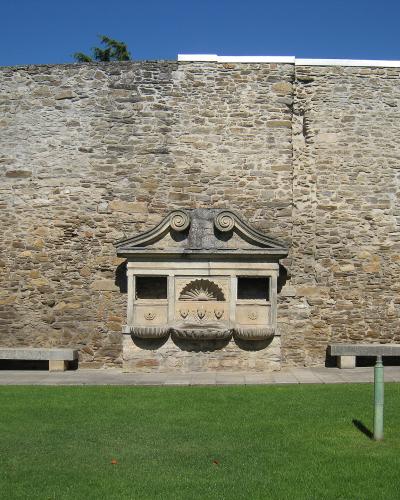
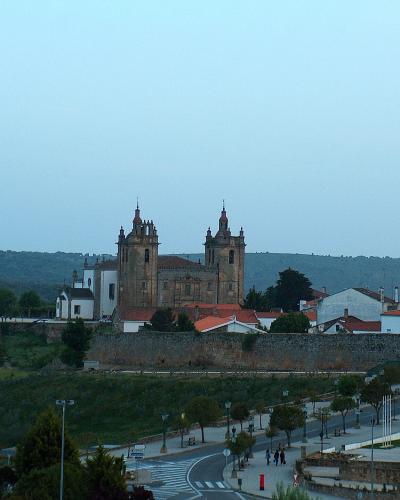
The town gives the visit extra interest. Miranda do Douro is the home of the Mirandese language, a tongue related to Asturian-Leonese, which Portugal recognised as an official regional language in 1999, and signs and local speech sometimes use it. The town is also known for the pauliteiros, groups of men who dance with wooden sticks in colourful costumes, and for the posta mirandesa, a thick steak from the local breed of cattle, served in restaurants. The cathedral, completed in the 17th century, has a plain Renaissance facade and a richly decorated interior, and the old town retains parts of its walls and ruins of a castle damaged in an explosion in the 18th century.
Summer days are hot, while winters are cold, and spring and autumn are good for walks and bird watching. The area suits those who like quiet, dramatic landscapes and are willing to travel a long way to see them.
Categories
More photos coming soon
Nearby Attractions
Other places to visit in Miranda do Douro
Frequently Asked Questions
Quick Facts
Best Time to Visit
Spring (April-May) and autumn (September-October) offer mild weather, lush landscapes, and vibrant festivals for exploring Miranda do Douro and the Douro gorge.