

Chapels In Sortelha
Historic chapels in Sortelha, Portugal
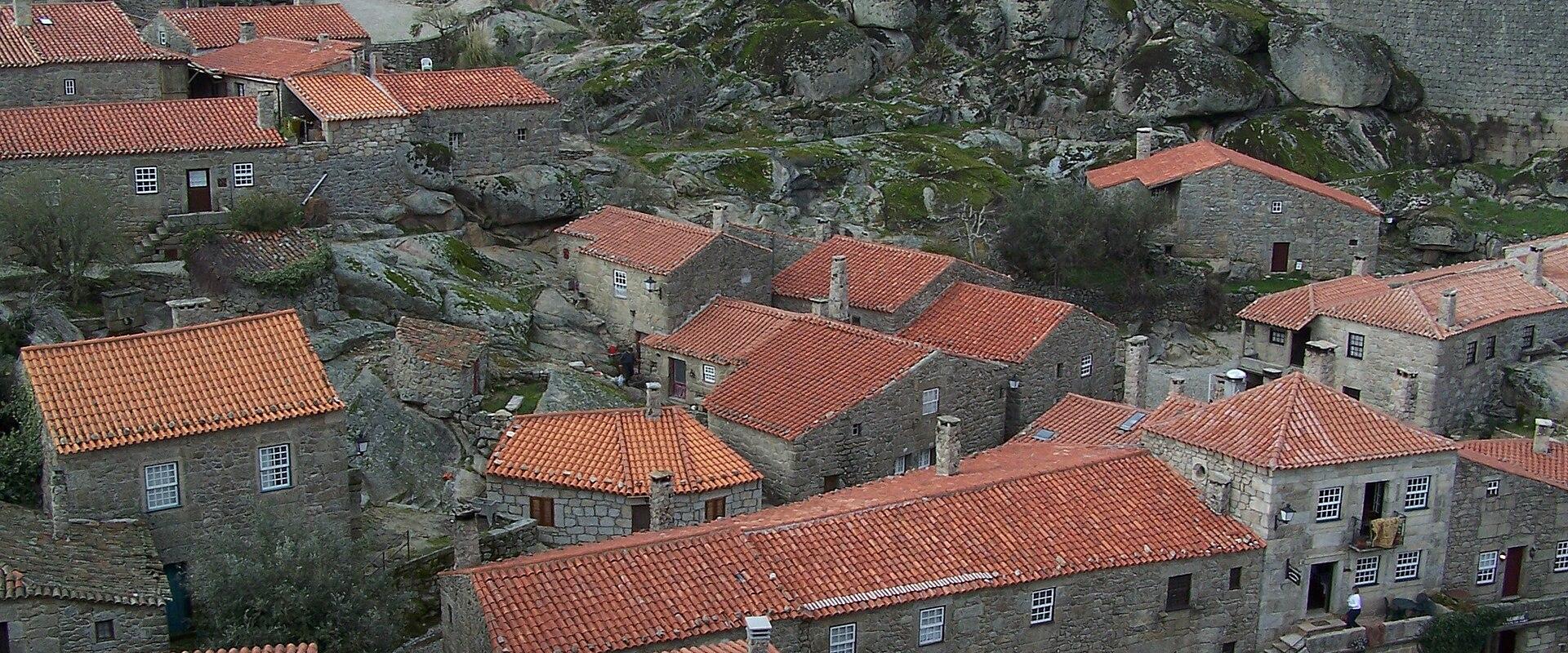
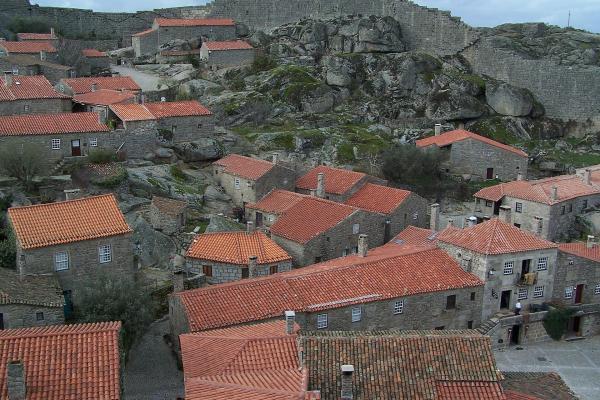
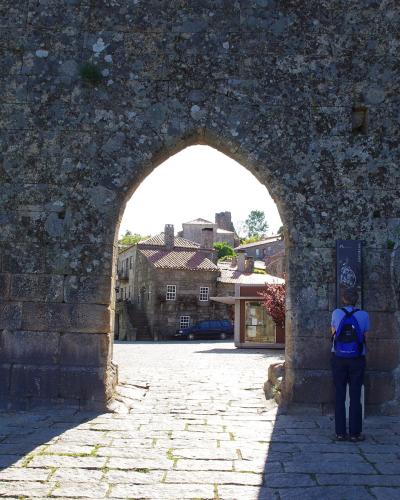
Sortelha is one of the most remarkable villages in Portugal, a medieval granite settlement perched on a rocky height in the Beira Baixa, near Sabugal, and enclosed within a circuit of walls. It is one of the group of historic villages that Portugal has restored and promoted, and its houses, built of grey stone and often incorporating the huge natural boulders on which they stand, seem to grow out of the hillside. Inside the walls, the lanes are narrow and steep, and small chapels and churches are tucked among the houses.
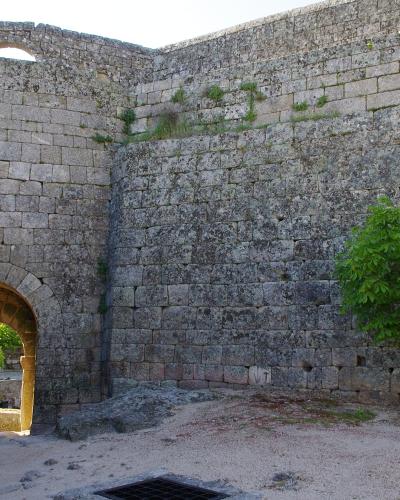
The village has a long history as a frontier fortress. The castle at its highest point was built in the Middle Ages, and later reworked, to defend the border with Castile, and the walls surround the whole settlement, so that the village was in effect a fortified town. The people who lived inside were farmers and herders, who used the surrounding fields and left the village at dawn, and the walls offered refuge in times of danger. This sense of a community huddled together for protection is part of what gives Sortelha its character.
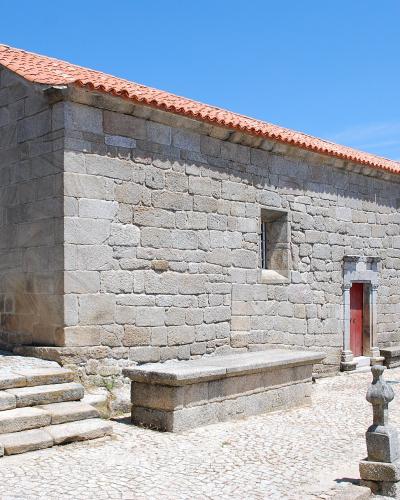
Religious life was woven into the fabric of the village. The parish church, the Igreja Matriz, stands inside the walls, and a number of smaller chapels and shrines punctuate the streets and the approaches. A series of steps and small oratories, known as the Via Sacra, climbs the slope, with stations of the Way of the Cross marking the route, and the chapels along it served as places of prayer and processions at Easter. Descriptions of the chapels differ in detail, and some are small and often locked, so it is best to treat the village as a whole as the monument. The simple granite architecture, with round-headed doors, small windows and a bell gable, is typical of rural churches in the Beira, and its plainness suits the setting.
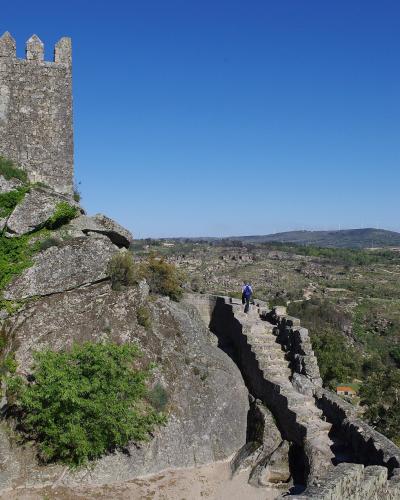
Visiting is a pleasure on foot. The walls can be climbed at several points, and the walk along the ramparts gives views over the roofs, the castle and the countryside of rolling hills and boulders, and the Serra da Malcata beyond. The village has small shops selling local produce, such as cheese, cured meats, honey and handicrafts, and a few restaurants serving regional dishes of roast kid, bean stews and smoked sausages. Several of the old houses have been converted into guesthouses, so it is possible to stay inside the walls and enjoy the quiet after the day-trippers leave.
The village is open at all times, and entry is free, though some buildings have their own hours, so ask at the tourist office near the gate. Wear shoes with a good grip, since the granite is slippery in wet weather and in winter, ice can form. Sortelha suits walkers, photographers and anyone who likes medieval places, and it is best in spring and autumn.
Categories
More photos coming soon
Opening Hours
Hours
No specific opening hours provided in the source material.
Nearby Attractions
Other places to visit in Sortelha
Frequently Asked Questions
Quick Facts
Best Time to Visit
Spring (March-May) and autumn (September-November) offer mild weather, lush scenery, and fewer crowds for exploring Sortelha’s medieval streets and castle.