


Coastal Hiking Paths
Challenging coastal trail connecting two Azorean fajãs
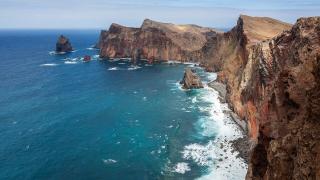
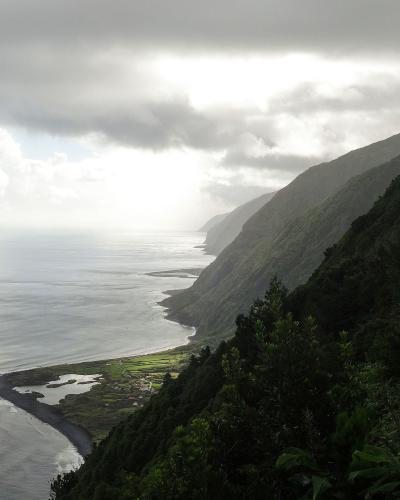
The coast of São Jorge is a long wall of cliffs, and the walking routes that lead down to the fajãs, the small flat platforms at its foot, are among the most dramatic in the Azores. The island is narrow and mountainous, and its northern shore is cut by deep ravines and waterfalls, so a coastal walk here is as much a descent and ascent as a stroll. The path that links Fajã dos Cubres with the neighbouring Fajã da Caldeira de Santo Cristo is the best known of these, and it is a hike for people who are comfortable with a long day on rough ground.
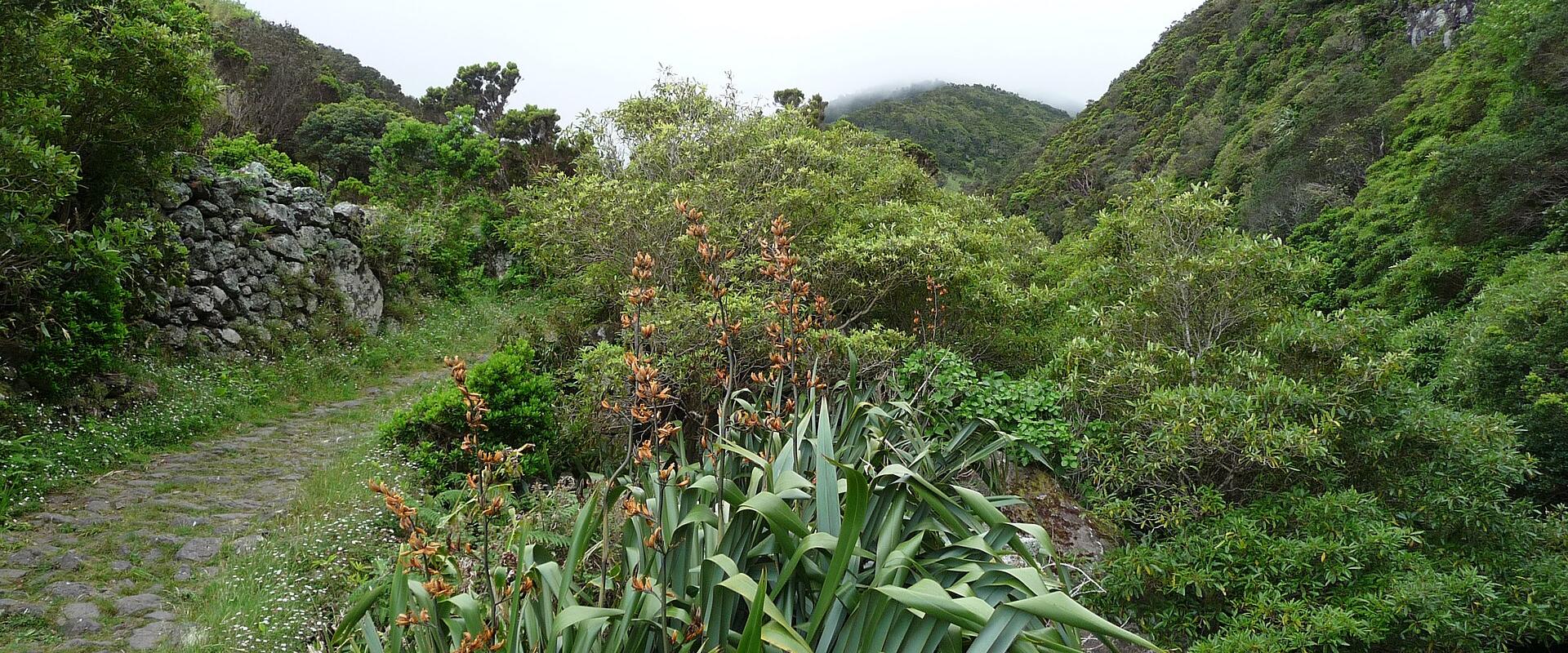
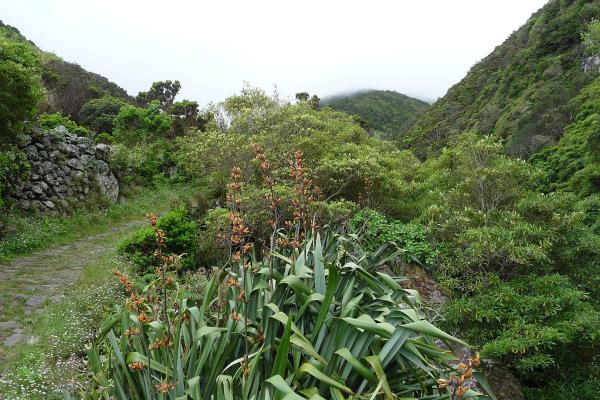
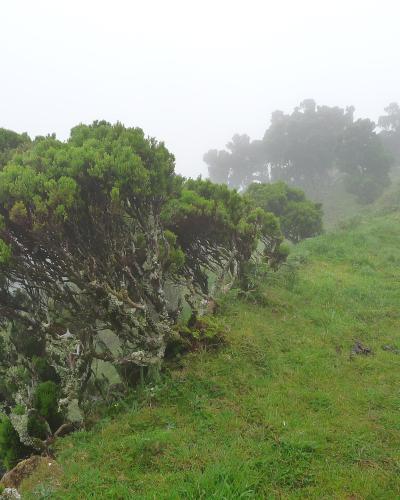
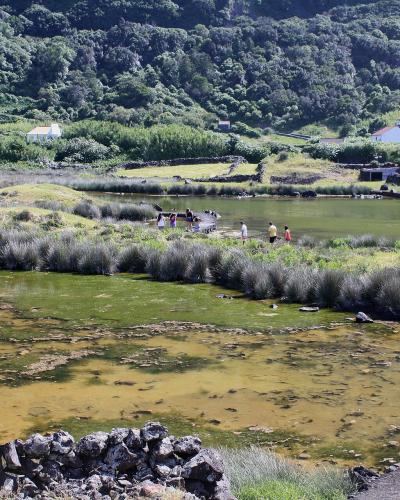
The route runs along the foot of the cliffs and across the slopes behind them, passing through woods, meadows and farmland, and it crosses streams on small bridges and stepping stones. The trail makes its way between the two fajãs on gravel tracks and mountain paths, with the sea on one side and walls of green rock on the other, and views change at every turn. Waterfalls spill down the cliffs after rain, and coastal lagoons lie behind boulder beaches. The Fajã dos Cubres has its own lagoon and a small chapel, while the Caldeira de Santo Cristo, the destination of the walk, lies at the end of a descent, an isolated platform where the sea has formed a lagoon enclosed by a boulder bar and where surfers come for the Atlantic waves.
Human traces add interest. Farming on the fajãs has long been difficult, and the remote settlements lost many residents after the earthquakes of 1980, when villages across the central Azores were damaged, with some houses abandoned, and the ruins and the lonely cottages tell a story of resilience. The Caldeira de Santo Cristo is known for its clam farming, a small industry that grew up in the lagoon in recent decades, and the coastal community has a reputation for its hospitality, with a couple of small places serving simple food. Although a track allows access to the Caldeira by four-wheel drive vehicles, most walkers prefer the path.
Good preparation is essential. The trail is demanding, and the weather changes quickly, with mist and rain possible even in summer. Wear sturdy hiking boots with grip, carry water, food, a waterproof jacket and a charged phone, and tell someone your route, since signal is weak in places and the island is sparsely populated. Check the route with the local tourist office or a guide before you set out, since trails can be altered by landslides and some stretches may be closed after storms. Because the route is not a loop, plan transport back, either with a taxi arranged in advance or by returning on foot, which doubles the effort.
There are no fees, and the paths are open at all times, but daylight is needed. Late spring and early autumn are the best seasons. The walk suits fit, experienced walkers and photographers who want a day among the island's wildest scenery.
Categories
More photos coming soon
Nearby Attractions
Other places to visit in Fajã dos Cubres

Frequently Asked Questions
Quick Facts
Best Time to Visit
April to September offers mild weather, clear views, and vibrant birdlife—ideal for hiking, nature walks, and exploring Fajã dos Cubres’ lagoon and trails.