

Fajã dos Cubres
Coastal lagoon and village on São Jorge’s wild north shore
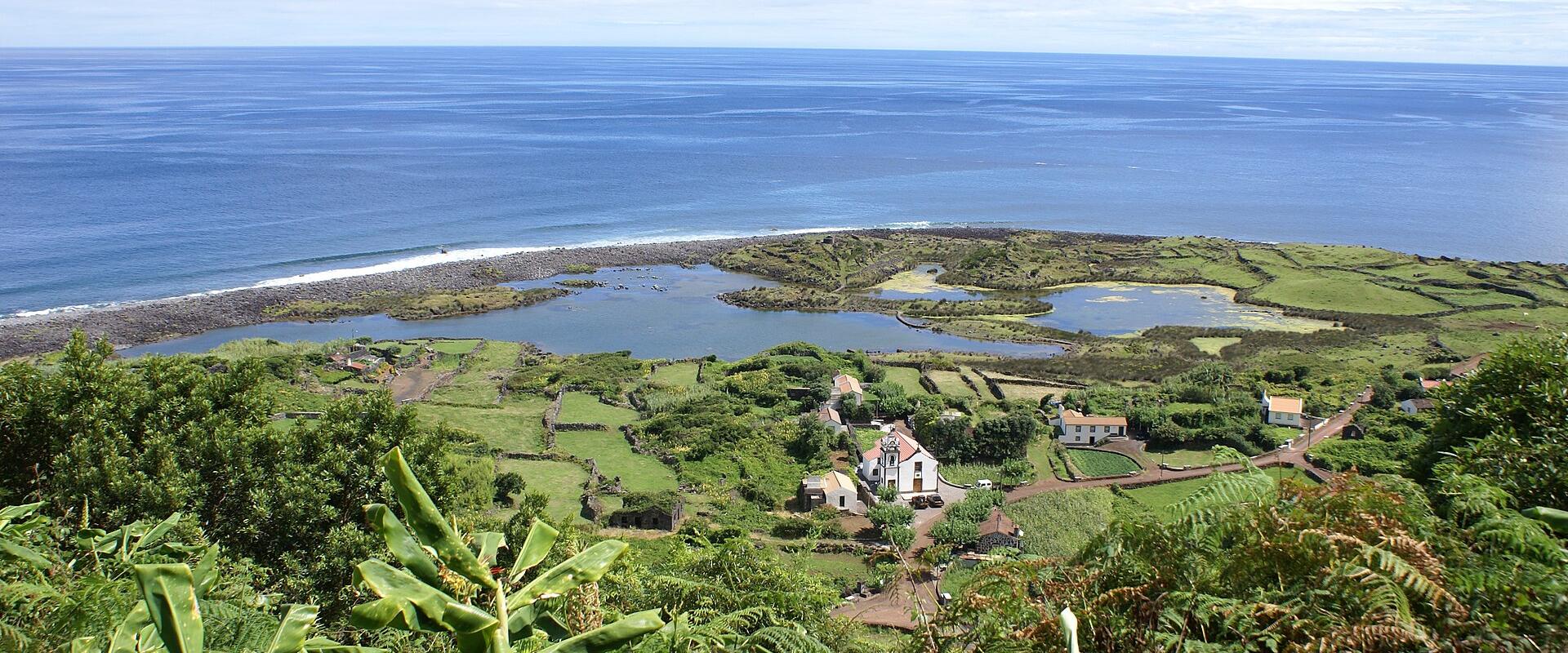
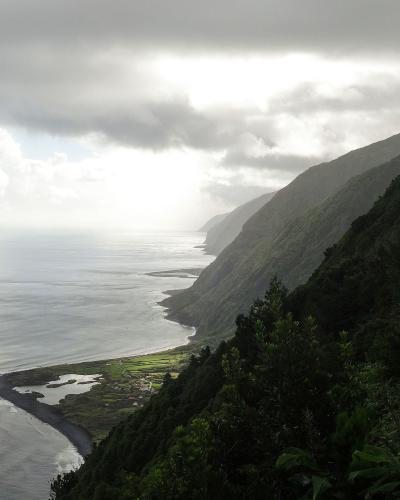
Fajã dos Cubres is one of São Jorge Island’s most iconic and picturesque fajãs—coastal plains created by landslides or lava flows at the base of towering cliffs. Its history is deeply intertwined with the geological forces that shaped the Azores, as well as the resilience of the islanders who settled these remote and fertile strips of land. The fajã is named after the Cubres plant, which once grew abundantly in the area, and today it is celebrated for its unique lagoon, biodiversity and traditional village life. São Jorge has some seventy fajãs, many of which can only be reached on foot, and each has its own character.
The journey to Fajã dos Cubres is an adventure in itself. Many visitors arrive via the renowned hiking trail that begins at Serra do Topo, descends through lush forests and past waterfalls to the famous Fajã da Caldeira de Santo Cristo, and continues along the coast to Fajã dos Cubres. This route is considered one of the most beautiful hikes in the Azores, offering panoramic views of the ocean, cliffs and the island’s wild interior. Alternatively, Fajã dos Cubres can be reached by a narrow, winding road from the main village of Ribeira Seca. The Caldeira de Santo Cristo is also known for its surf and its clams.
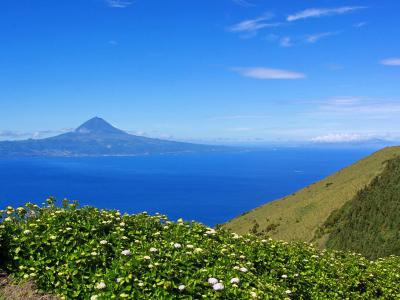
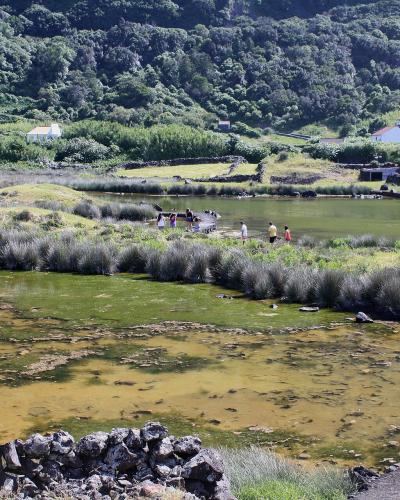
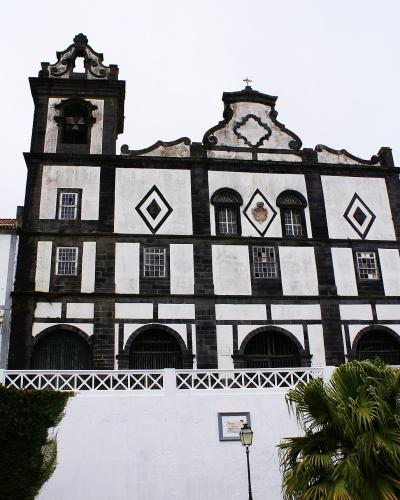
Upon arrival, visitors are greeted by a tranquil lagoon surrounded by reeds, wildflowers and the small cluster of houses that make up the village. The lagoon is a protected wetland, home to a variety of bird species, including herons and migratory waterfowl, making it a prime spot for birdwatching and photography. Wooden walkways and paths allow for peaceful strolls along the water’s edge, while the Miradouro da Fajã dos Cubres viewpoint above the fajã provides sweeping vistas of the coastline and, on clear days, the distant islands of Graciosa and Terceira. A small church, Nossa Senhora do Rosário, stands among the houses, and a stone beach separates the lagoon from the sea.
Fajã dos Cubres is also known for its local gastronomy, particularly the clams harvested from the nearby lagoon and served in rustic village eateries. The area’s isolation has preserved traditional ways of life, and visitors can experience the slow pace and hospitality of the local community. Quad bike tours and guided walks are available for those wishing to explore further or visit the neighboring Fajã da Caldeira de Santo Cristo. São Jorge is also known for its strong cheese, which is made on the island’s pastures and is exported widely.
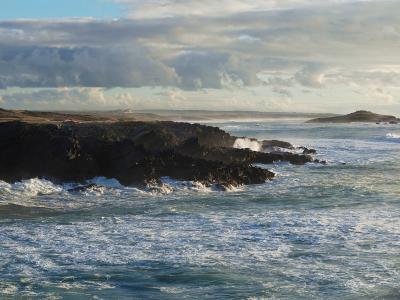
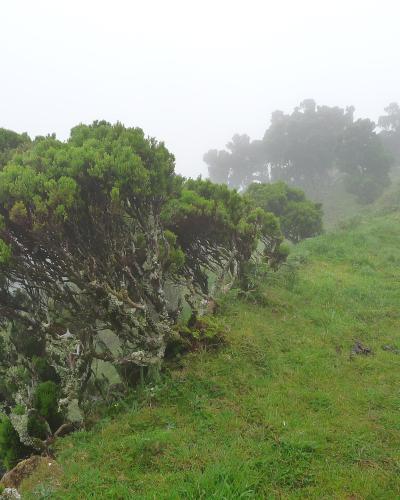
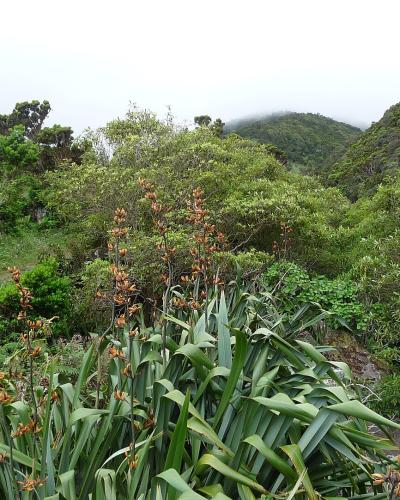
The natural environment around Fajã dos Cubres is rich and varied, with endemic plants, freshwater springs and dramatic volcanic cliffs. The fajã’s unique ecosystem has earned it recognition as a wetland of international importance, and conservation efforts help maintain its pristine condition. The area is also a starting point for coasteering, canyoning and other outdoor adventures on São Jorge. Traditional stone walls and local agricultural trails run between the fields.
Getting to Fajã dos Cubres requires some planning, as public transport is limited. Most visitors arrive by car or taxi to the trailhead or village, or as part of a guided tour. The hike from Serra do Topo is moderately challenging and takes several hours, but rewards hikers with unforgettable scenery and a sense of discovery. Weather in the Azores changes quickly, so it is wise to carry water, a rain jacket and sturdy shoes.
The best time to visit Fajã dos Cubres is from April to September, when the weather is mild, the trails are at their best and the lagoon is alive with birdlife. Spring and early autumn offer particularly clear views and fewer crowds. Whether you come for the hike, the nature or the peaceful village atmosphere, Fajã dos Cubres is a highlight of São Jorge and a fine example of the wild beauty of the Azores.
Best Time to Visit
April to September offers mild weather, clear views, and vibrant birdlife—ideal for hiking, nature walks, and exploring Fajã dos Cubres’ lagoon and trails.
Plan Your Visit to Fajã dos Cubres
Essential travel tips and information for your trip to Fajã dos Cubres.
Suggested Itineraries
Travel Tips
Currency
EUR • Cards widely accepted
Language
Portuguese • English in tourist areas
WiFi
Free WiFi in cafes and hotels
Explore Fajã dos Cubres by Interest
Discover attractions and experiences in Fajã dos Cubres organized by your interests and travel preferences.




All attractions in Fajã dos Cubres
Sorted by our recommendation score
Quick Facts
Book your stay
Frequently Asked Questions
More destinations in Azores
Explore other amazing places in the Azores region