

Local Agricultural Trails
Historic cattle path with 1,250 stone steps
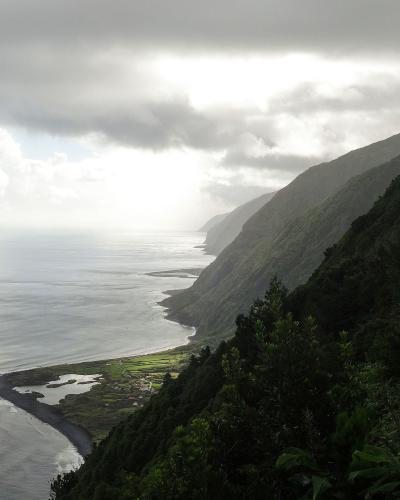
São Jorge is a long, narrow island in the central Azores, a wall of cliffs rising from the Atlantic with small flat patches of land at their feet. These patches are the fajãs, formed where lava flows or collapsed pieces of the cliff built out platforms at the base of the slope. Many of the island's walking routes link fajãs by old farm tracks, and the trails around Fajã dos Cubres are among the most rewarding, combining farming heritage, coastal scenery and some serious climbing.
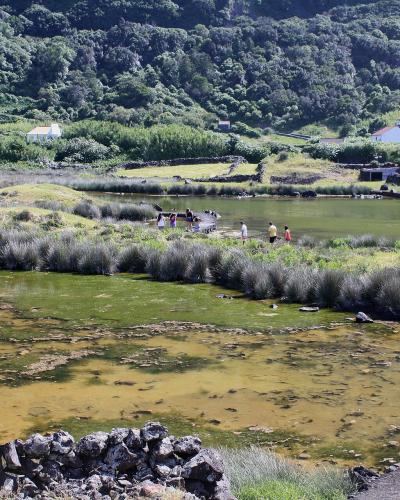
Fajã dos Cubres has a small lagoon, a pebble beach, a chapel of Nossa Senhora do Rosário and a handful of houses. The ground here is fertile, and for centuries it has been farmed with maize, vegetables and pasture, supported by streams that tumble down the cliff. Walking from here toward the neighbouring Fajã da Caldeira de Santo Cristo takes you along gravel paths and old cart tracks, past stone walls and meadows, with the sea on one side and the cliffs on the other. The Caldeira de Santo Cristo is known for its lagoon, where clams are farmed, a rare activity on the islands, and for its surf, which draws visitors from across the archipelago. The hike is demanding, and hikers should be prepared for changeable weather, mud after rain and the long distances between the villages.
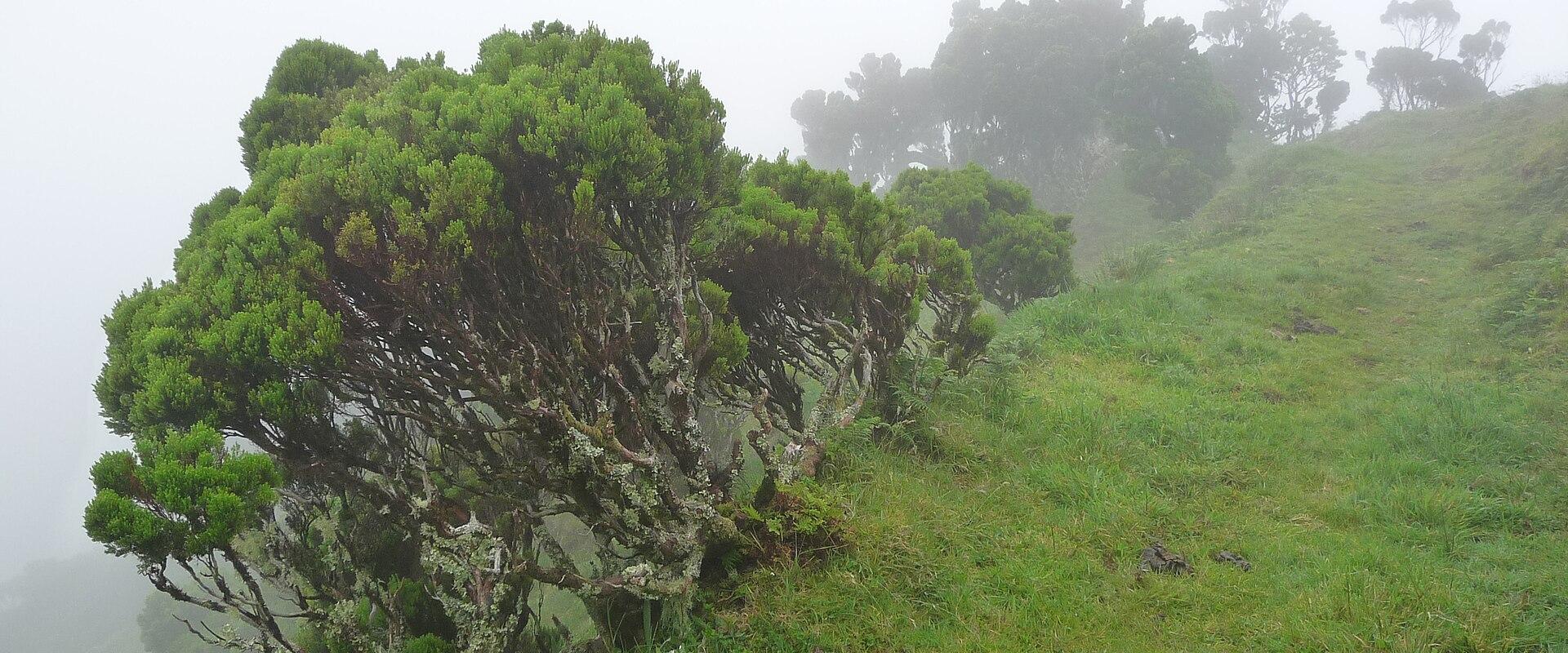
The old paths through this landscape are the island's real heritage. Before roads were built, the fajãs were reached by narrow, stepped tracks down the cliff, used by farmers to bring cattle, milk and produce up and down, and by priests and traders. Several routes still follow these descents, among them a long historic cattle path with more than a thousand stone steps, which drops through dense vegetation to the village of Fajã dos Vimes, known for its coffee and its handicraft. The climb back is hard on the legs. Other trails run through meadows and along the cliff edge, past streams and small falls that are at their best after rain.
There are no entry fees or opening hours, as these are public paths, but a few preparations matter. Wear shoes with good grip, carry water and food, and take a rain jacket even on sunny mornings. Mobile signal is patchy, and the paths can be slippery. It is wise to check the weather forecast and tell someone your route. Taxis or local transfers help for point-to-point walks, since public transport on the island is limited.
The trails suit fit walkers and photographers who enjoy dramatic scenery and quiet. Spring and early autumn are good seasons, when the vegetation is lush and the temperature is moderate. On the way back, try the island's cheese, São Jorge, a firm, sharp cheese that is one of the best-known products of the Azores. A day along these trails gives a good sense of how islanders lived on the margin between the cliff and the sea.
Categories
More photos coming soon
Nearby Attractions
Other places to visit in Fajã dos Cubres
Frequently Asked Questions
Quick Facts
Best Time to Visit
April to September offers mild weather, clear views, and vibrant birdlife—ideal for hiking, nature walks, and exploring Fajã dos Cubres’ lagoon and trails.