

Fajã dos Cubres Beach
Volcanic coastal plain with wild lagoons
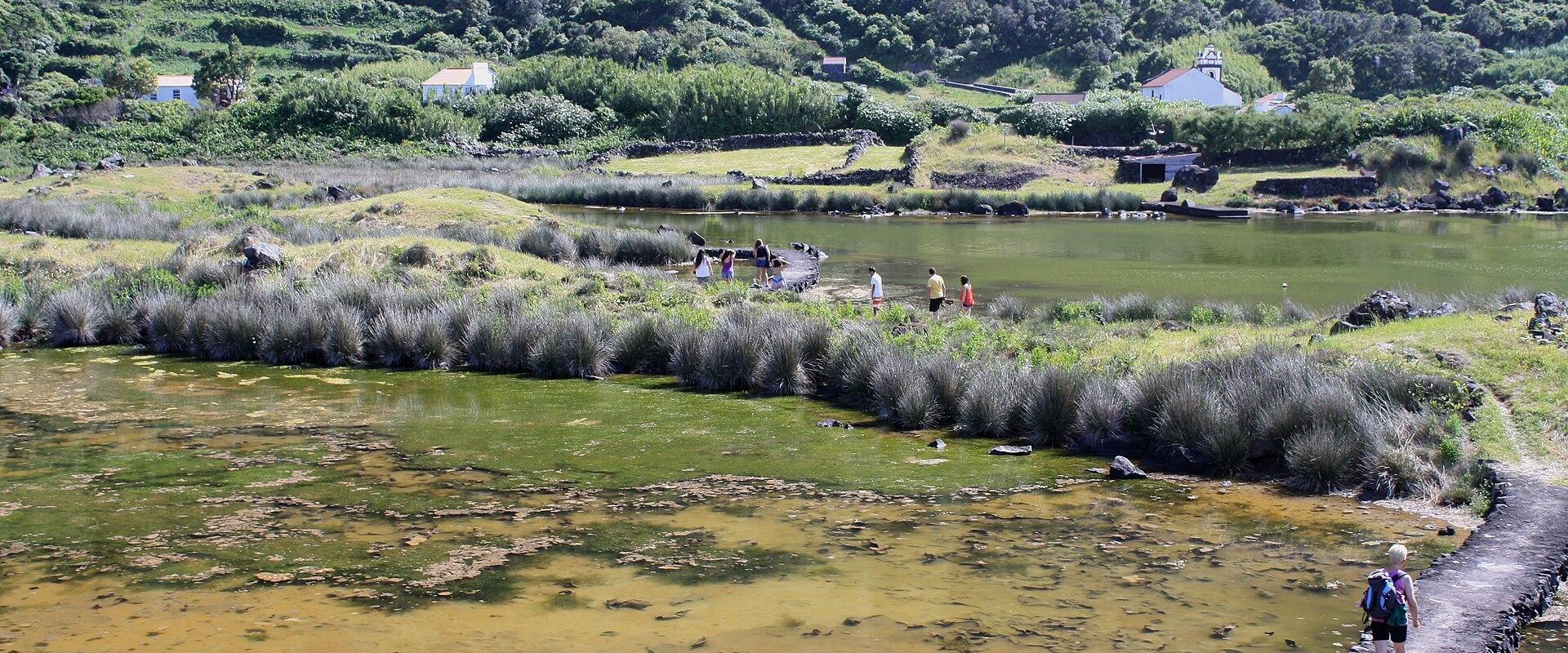
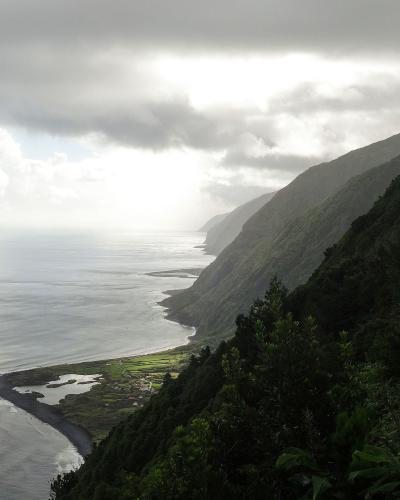
Fajã dos Cubres is not a beach in the ordinary sense. It is a small, flat apron of land at the foot of the northern cliffs of São Jorge, built up over time from collapsed cliff material and old lava flows, and its shore is lined with rounded boulders and pebbles rather than sand. The Atlantic strikes it directly, and bathing is a matter of picking the right moment and the right spot among the rocks. What brings visitors is the setting: green slopes cascading down from a long cliff wall, a scatter of houses and farms, and a lagoon behind the shingle.
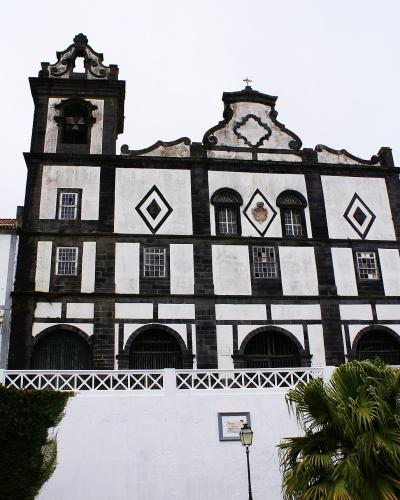
The lagoon is the main feature. The Lagoa da Fajã dos Cubres is a shallow body of brackish water separated from the sea by a bar of pebbles, a rare habitat that supports specialised plants and wildlife, including wading birds, and it has been protected for its natural value. Reeds line its edges, and the contrast between the quiet water and the surf crashing a few metres away is striking. Seabirds, especially the Cory's shearwater, which nests in burrows on these cliffs in summer and calls loudly at night, are another feature of the area. Tracks and paths lead around the lagoon, and a small chapel dedicated to Nossa Senhora do Rosário adds a human touch.
The village is tiny, with a handful of houses, farms and small tourist cottages, and a few places where you can eat and drink. Fajã dos Cubres has long been an agricultural community, and the fertile soil produces vegetables, yams and fruit. Cows graze on the slopes above. The road down from the plateau, a steep, winding descent, is part of the adventure, and the Miradouro da Fajã dos Cubres, a lookout on the way, gives a wide view over both the lagoon and the neighbouring Fajã da Caldeira de Santo Cristo.
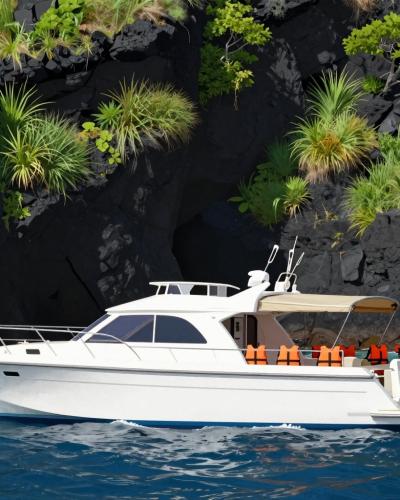
Getting here is straightforward by car, though the road is narrow, and on foot it forms part of the island's network of hiking trails. Boat tours also visit this stretch of coast in summer, giving a view of the cliffs from the sea. Because the shoreline is rough, swimming is best at sheltered spots and in calm conditions, and it is wise to avoid the water when the swell is high. Bring sturdy shoes for the stones, a windproof jacket and food, as services are limited.
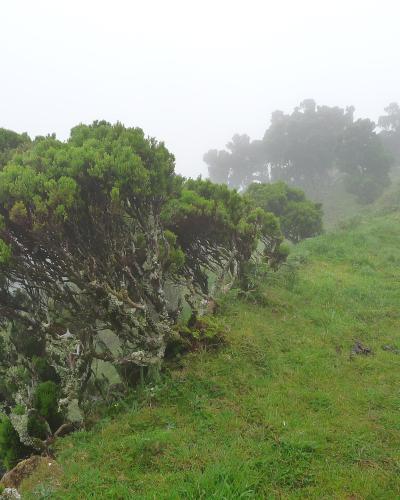
The best time to visit is in spring and summer, when the weather is mild and the vegetation lush, though mist and rain can roll in at any time of year. The fajã suits walkers, photographers and anyone seeking a quiet corner of the Azores far from the crowds.
More photos coming soon
Nearby Attractions
Other places to visit in Fajã dos Cubres
Frequently Asked Questions
Quick Facts
Best Time to Visit
April to September offers mild weather, clear views, and vibrant birdlife—ideal for hiking, nature walks, and exploring Fajã dos Cubres’ lagoon and trails.