





Santa Cruz Monastery
Manueline monastery in Coimbra’s historic heart
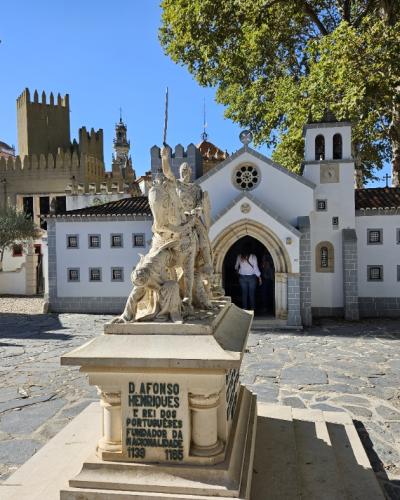
The Mosteiro de Santa Cruz is one of the most important religious buildings in Portugal, in large part because it is the burial place of the first two kings of the country. It stands on the edge of the Praça 8 de Maio in the lower town of Coimbra, close to the shops and cafés of the Baixa. The monastery was founded in 1131 by a community of Augustinian canons regular, when Coimbra was the capital of the young kingdom, and it became a centre of learning that educated many of the country's clerics and officials. The monastery's school was a precursor to the university.
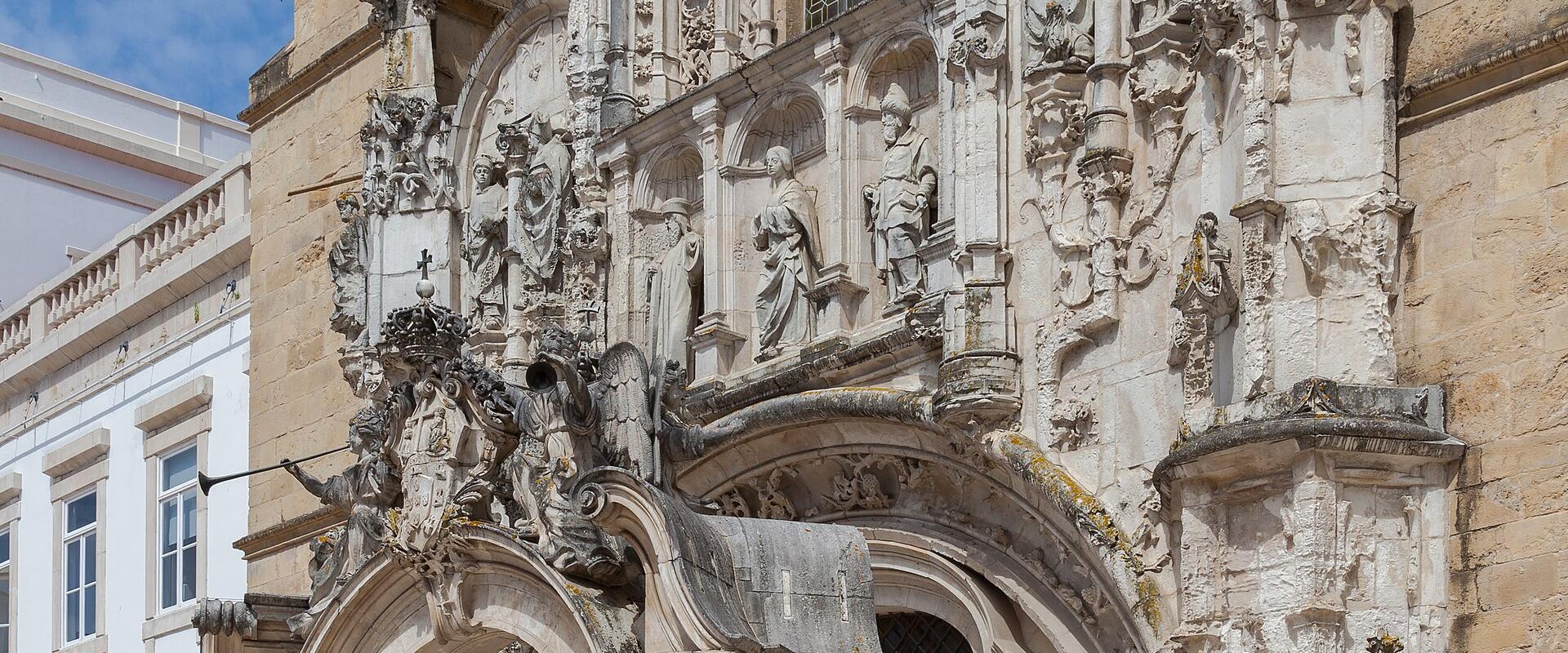
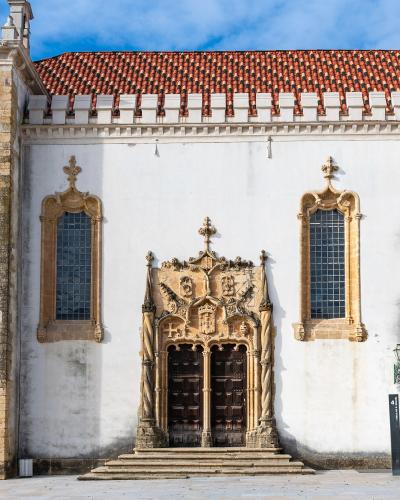
The church holds the tombs of Afonso Henriques and Sancho I, kings who ruled in the 12th and early 13th centuries. Their elaborate stone tombs were made in the early 16th century in Manueline and Renaissance style, and they are generally attributed to the French sculptor Nicolau Chanterene, who worked in Portugal at that time. The tombs are decorated with carved figures and ornament, and the effect is of a royal pantheon of great solemnity. The pulpit, by the same hand, is a celebrated piece of sculpture, and the choir stalls, painted tile panels, and the Manueline portal on the facade also show the investment in the building under King Manuel I.
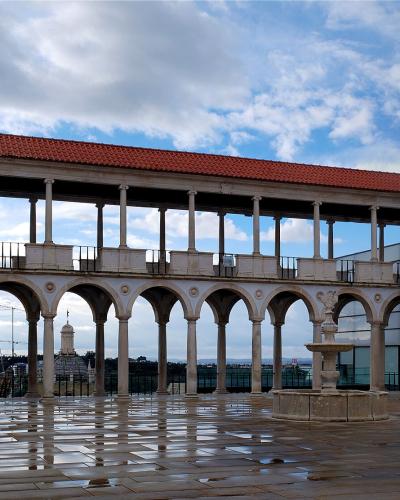
The cloister, known as the Cloister of Silence, is a calm Manueline space with arcades, carved stone, and a central garden, and it gives a feel of the monastic life. The sacristy, chapter house, and side chapels add to the interest, with paintings, sculptures, and woodwork. A café inside part of the old church building has become a favourite meeting place in Coimbra, and its vaulted ceiling and old windows make it an unusual setting for a coffee.
The building suffered damage and changes over the centuries, particularly after the religious orders were dissolved in 1834, but it has been carefully restored. Entrance to the church is separate from the cloister and museum areas, and times and prices change, so check locally. The visit can easily be combined with a walk through the old town and the climb to the university.
The monastery suits history readers, art lovers, and anyone interested in the origins of Portugal. Allow about an hour, and visit when the church is quiet for the best atmosphere.
More photos coming soon
Nearby Attractions
Other places to visit in Coimbra
Frequently Asked Questions
Quick Facts
Best Time to Visit
Spring (March-May) and autumn (September-October) offer warm, pleasant weather and vibrant city life for exploring Coimbra’s historic sites and gardens.