

Foz do Côa
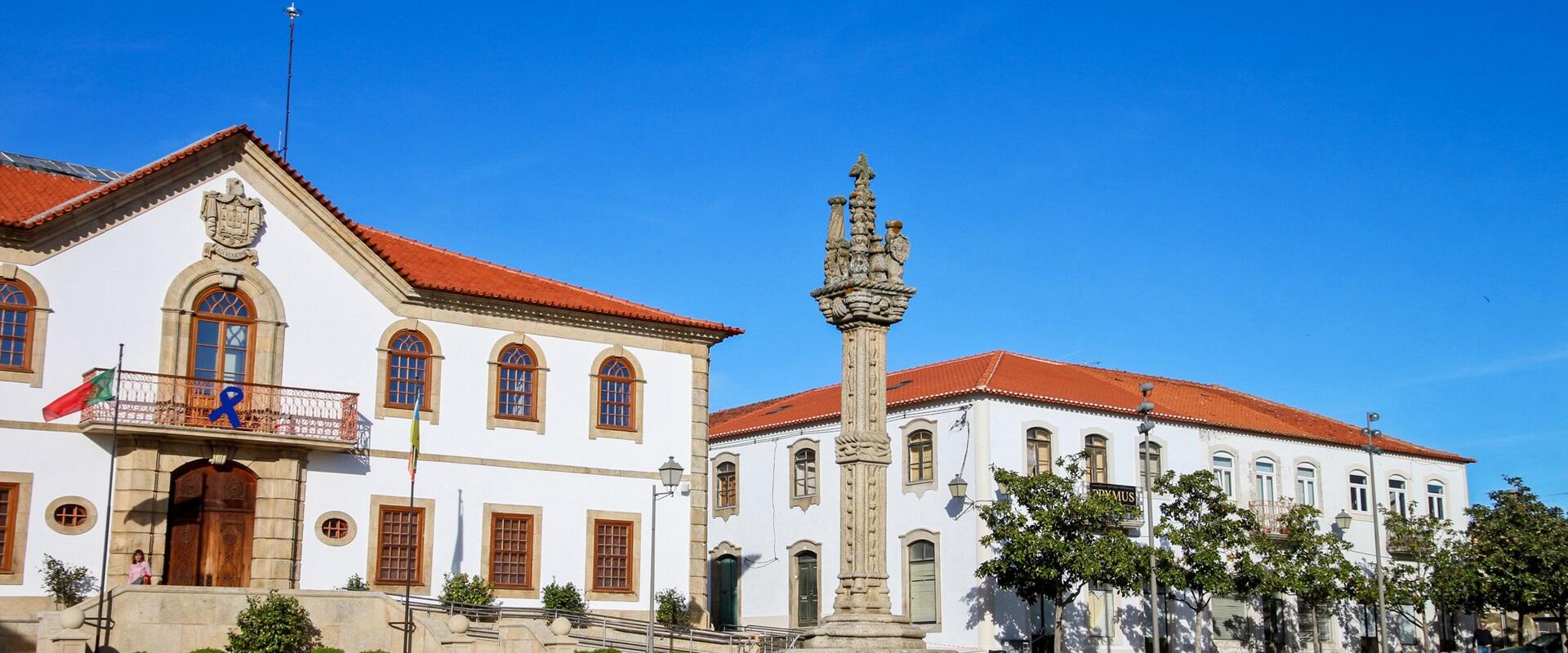
Bronze Age settlement in Freixo de Numão
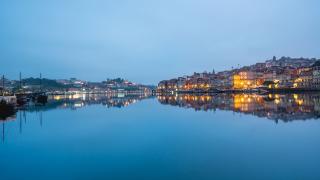
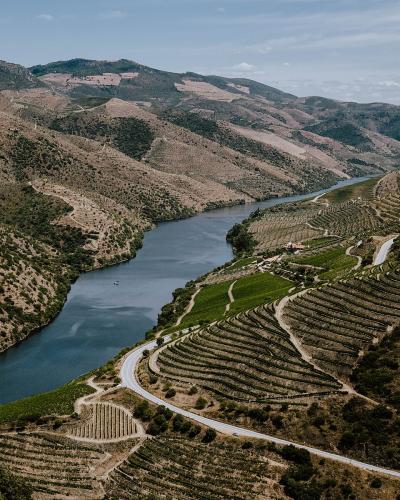
Foz do Côa is the name of the area where the river Côa meets the Douro, in the north-east of Portugal, and it lies in one of the most remarkable archaeological landscapes in Europe. The two rivers have carved deep, rocky valleys through the hills of the Alto Douro, with steep slopes of schist and granite, almond and olive groves, vineyards, and wide skies. The confluence is a place of quiet beauty, where the water of the narrower Côa merges with the broad Douro, and the hills rise on both sides.
The region is best known for the Côa Valley rock art, a vast set of open-air engravings of animals made in the Upper Palaeolithic period, more than twenty thousand years ago. Images of horses, aurochs, ibex, and deer were cut into the schist rock faces along the river, and they were discovered in the 1990s, when plans to build a dam in the valley were halted after protests and archaeological work revealed the importance of the site. UNESCO inscribed the engravings on the World Heritage List in 1998. The sites can be visited only on guided tours organised by the park and the museum in Vila Nova de Foz Côa, which also explains the art, the people who made it, and the long history of the valley.
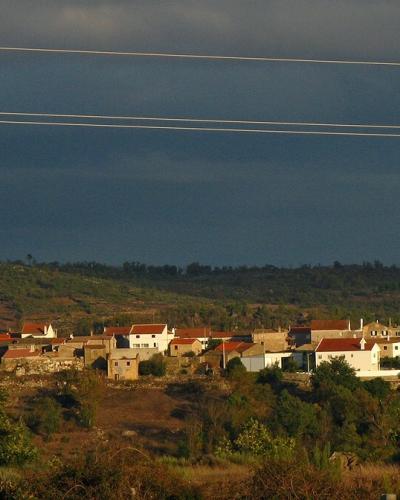
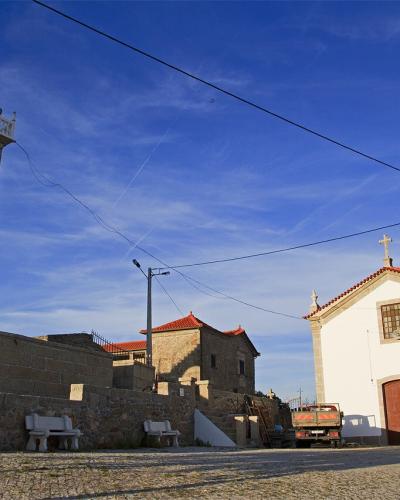
The parish of Freixo de Numão, in the same area, adds a different chapter of prehistory. There an archaeological site known as Castelo Velho, a fortified settlement from the third millennium BC, shows how people lived on the hill in later prehistoric times, in the Copper and early Bronze Age. The remains of walls, houses, and storage areas give a picture of a community in the same landscape as the rock art, thousands of years later.
The Côa and Douro valleys are also part of the Alto Douro wine country, and local estates produce Port and table wines on terraced slopes. In spring the almond trees bloom in pale pink and white, and in autumn the vineyards turn red and gold. The roads are winding, and the landscape is best explored by car with frequent stops, or on walking trails of various lengths.
The area suits history lovers, hikers, photographers, and wine enthusiasts. Book the rock art tours ahead, since numbers are limited, and bring sun protection and water in summer, when the valley can be extremely hot.
Categories
More photos coming soon
Nearby Attractions
Other places to visit in Freixo de Numão
Frequently Asked Questions
Quick Facts
Best Time to Visit
Spring (April-June) and autumn (September-October) offer mild weather, lush vineyards, and vibrant festivals for exploring Freixo de Numão’s history and landscapes.