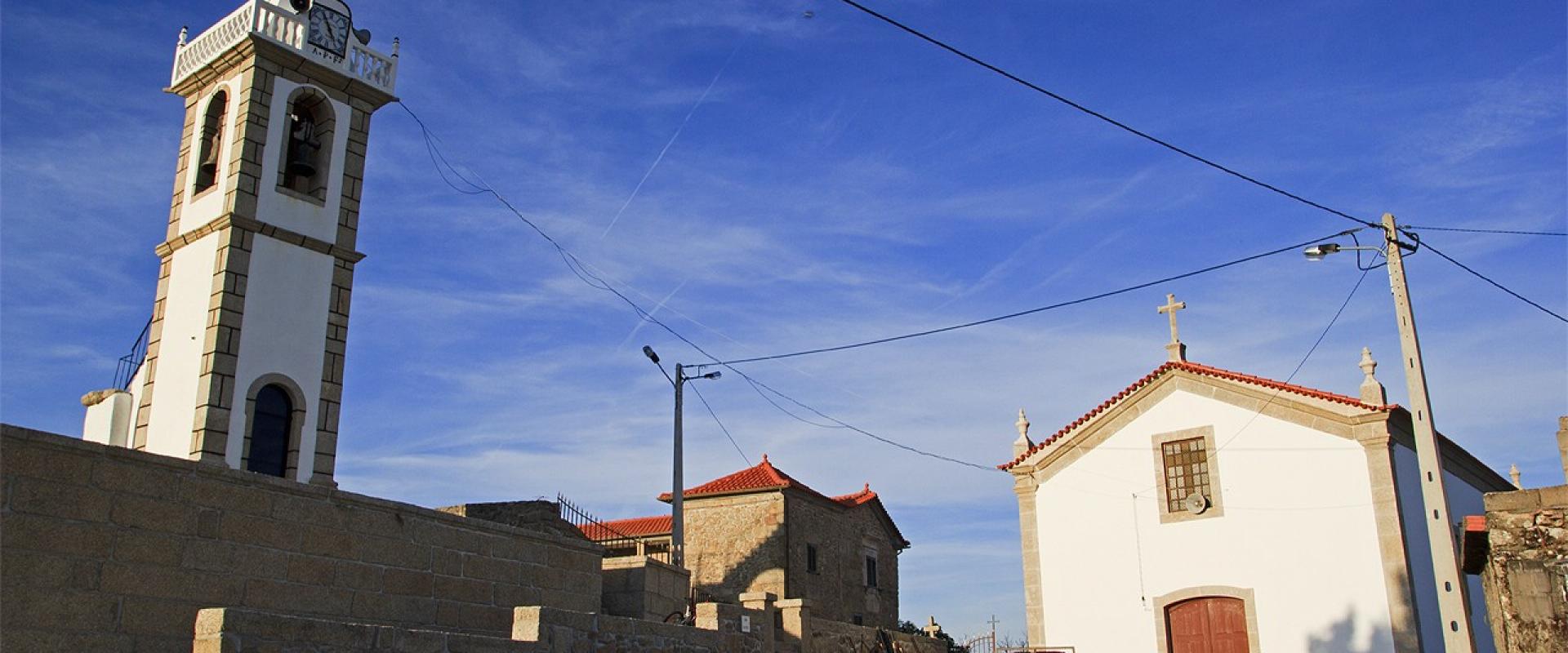
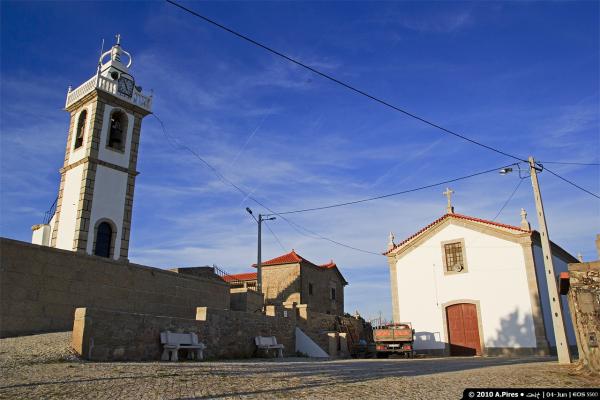
Igreja de Seixo do Coa
Romanesque church with Baroque gilded altars
The churches of the Côa valley are the quiet monuments of a region better known for its prehistoric rock art, and they give a sense of how the villages of the Alto Douro have lived over the centuries. The parish church of the neighbouring area of Freixo de Numão, in the municipality of Vila Nova de Foz Côa, shows the typical features of the region's religious architecture.
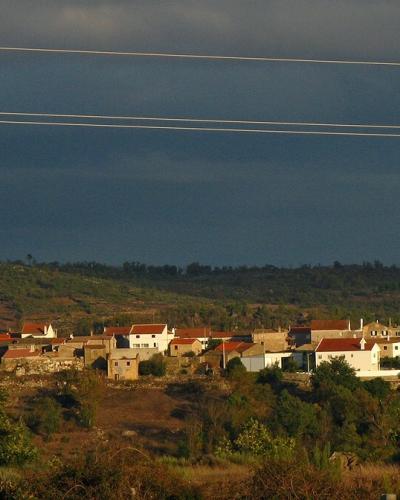
Freixo de Numão is an old settlement on a granite hill, with a history that reaches far back. On the nearby hill of Castelo Velho, archaeologists have found the remains of a fortified settlement of the Copper Age, several thousand years old, and Roman and medieval traces are scattered across the area, including the ruins of a castle at Numão. The village's church grew in this long setting, and like many in the Douro, it was rebuilt and adapted from the 16th century on.
The church is built of local granite, with a plain body that reflects the building materials and the modest means of the community. According to descriptions, it has a single nave with a longitudinal plan, supported on the outside by oblique buttresses, and a main facade with a semicircular doorway. A bell tower from the 17th century rises above the building, topped with a small dome and decorated with gargoyles in the form of cannons, a distinctive touch. Inside, the nave is divided by round arches, and the chancel's wooden ceiling is divided into coffers painted with images of saints. The walls carry gilded Baroque altarpieces in the style that Portuguese art historians call National Baroque, with twisted columns, carved foliage and figures covered in gold leaf, which shine in the dim light and give a surprising richness to a country church. A rectangular stone pulpit, a high choir and a baptismal font complete the furnishings, and a necropolis near the building recalls the long use of the site.
A visit to such a church is best planned loosely. The building is not always open, and opening times are not fixed, so ask in the village or at the tourist office in Foz Côa, where someone may have the key. Respect worshippers and dress modestly. The visit itself is short, and it is best combined with other places in the valley: the Côa Museum and the rock art sites near Foz Côa, the hiking routes through almond groves and vineyards, and the village of Freixo de Numão itself.
Spring, when the almond trees blossom, and autumn are the best seasons. The church suits those who enjoy exploring small village monuments and are curious about the history behind the prehistoric sites.
Categories
More photos coming soon
Nearby Attractions
Other places to visit in Freixo de Numão
Frequently Asked Questions
Quick Facts
Best Time to Visit
Spring (April-June) and autumn (September-October) offer mild weather, lush vineyards, and vibrant festivals for exploring Freixo de Numão’s history and landscapes.