




Hiking Trails in the Côa Valley
Hiking trails through prehistoric Côa Valley engravings
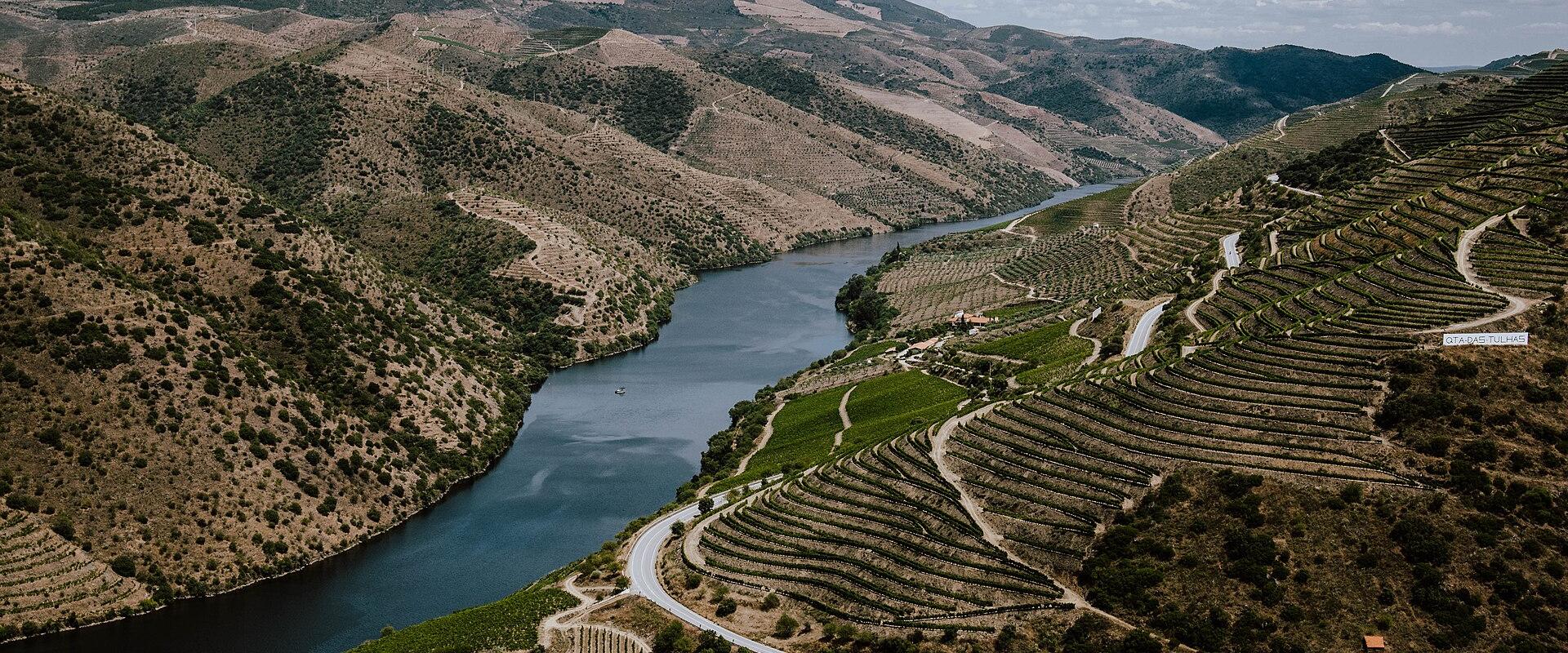
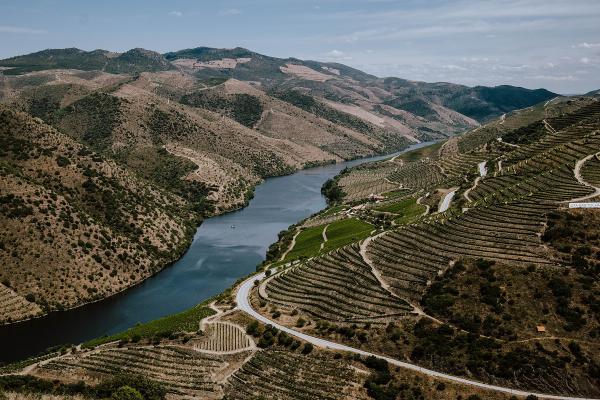
The Côa Valley lies in the northeast of Portugal, around the town of Vila Nova de Foz Côa, where the Côa river runs north to south through schist hills before joining the Douro. It is a dry, rugged landscape of almond and olive groves, vineyards, rockrose scrub and bare crags, very different from the terraced slopes of the Douro wine estates further west, and the walking here has a character of its own.
The valley is best known for its prehistoric rock art. Beginning in the 1990s, archaeologists documented thousands of engravings of aurochs, horses, ibex and other animals on exposed schist surfaces along the river, many dating to the Upper Paleolithic, tens of thousands of years ago. The discovery caused a national debate, because a dam planned for the river would have drowned the engravings, and the project was eventually abandoned. The Côa Valley Archaeological Park was created and the engravings were listed by UNESCO as a World Heritage site in 1998. The open-air sites can only be seen on guided visits arranged through the Côa Museum, which stands at the meeting of the Côa and the Douro and explains the findings. It is wise to book ahead, as numbers are limited and sites open at set times.
Walking in the area is a matter of combining the guided visits with independent routes through the countryside. Trails follow old farm tracks and paths between villages, through almond orchards that bloom white and pink in late winter, past vineyards and olive groves, and along stretches of the river. Some routes involve long climbs and descents, and the schist underfoot can be loose, so proper walking shoes are important. Shade is scarce and summer temperatures are very high, so the best seasons are spring and autumn, with early starts and plenty of water. The remote character of the region means few other walkers and few services, so it pays to plan.
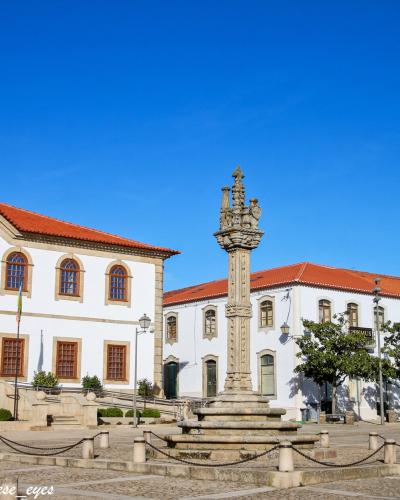
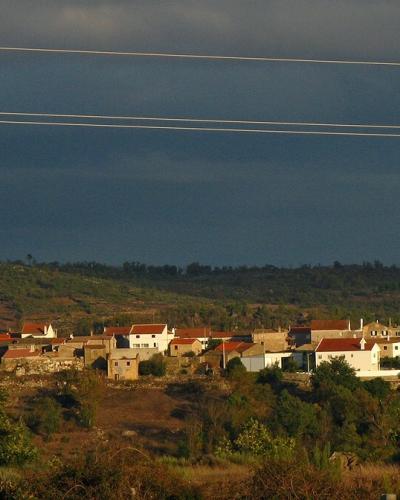
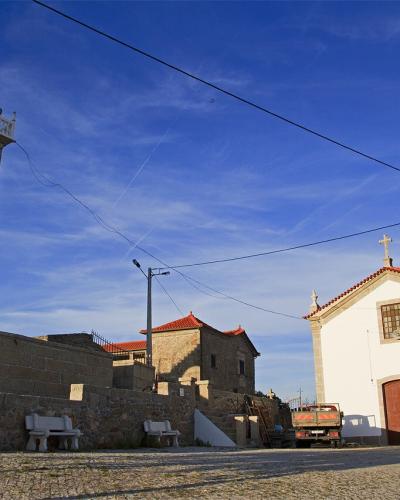
Freixo de Numão, a village in the municipality, has its own archaeological interest, with the remains of a large fortified settlement from the third millennium BC, known as Castelo Velho, and traces of Roman and medieval occupation. The old village centre and its church are pleasant to explore, and the area has traditional stone houses. Foz Côa, the main town, has restaurants serving local specialities such as roast kid, smoked sausages, olive oil and the region's wines, and the nearby Seixo do Côa village centre and its church are small and quiet.
A good plan is to spend one morning on a guided visit to the rock art and an afternoon or another day on foot through the countryside. The area suits walkers who appreciate wide, empty landscapes and have an interest in archaeology. Check the Côa Museum for current visit times and routes before arriving.
Categories
More photos coming soon
Nearby Attractions
Other places to visit in Freixo de Numão
Frequently Asked Questions
Quick Facts
Best Time to Visit
Spring (April-June) and autumn (September-October) offer mild weather, lush vineyards, and vibrant festivals for exploring Freixo de Numão’s history and landscapes.