

Seixo do Coa Village Center
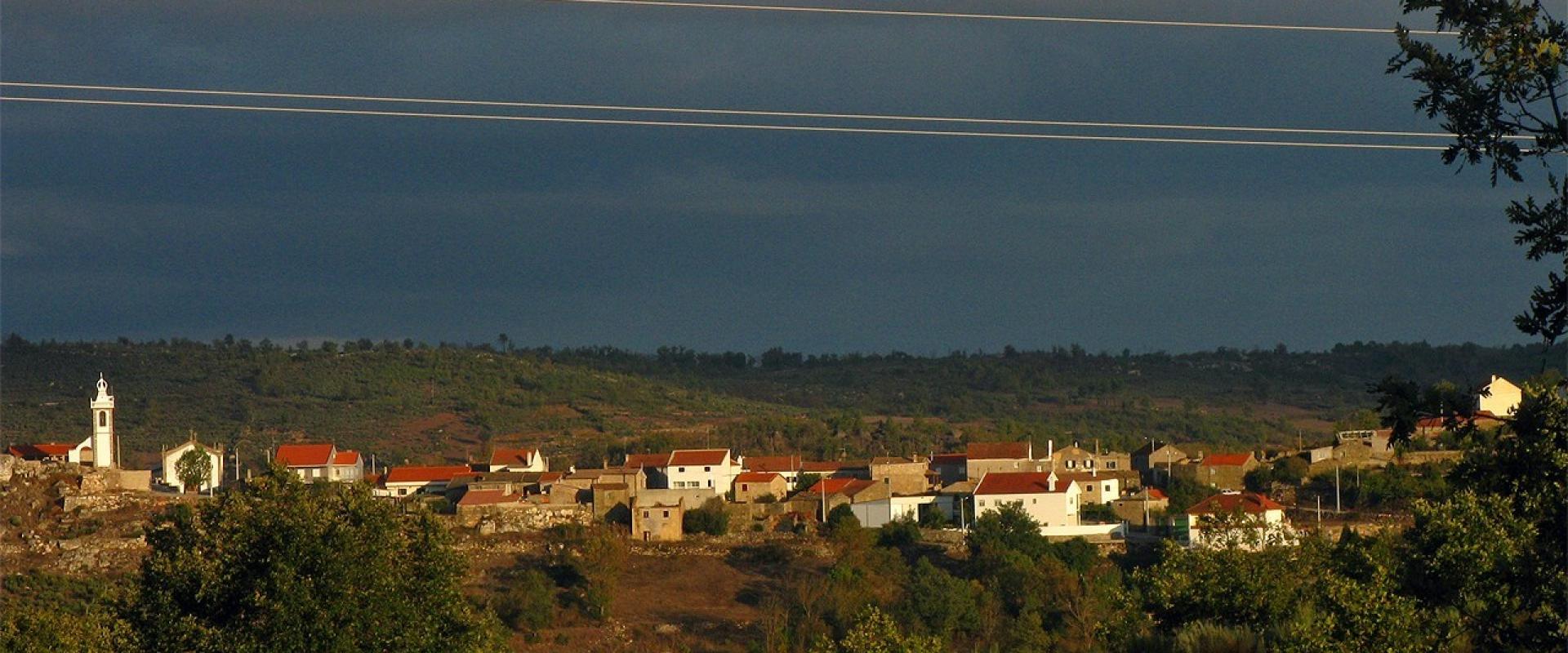
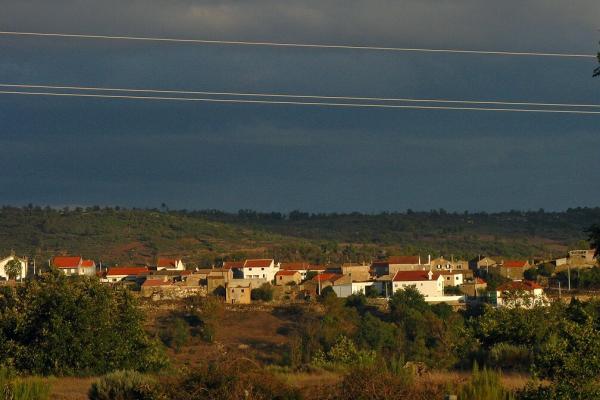
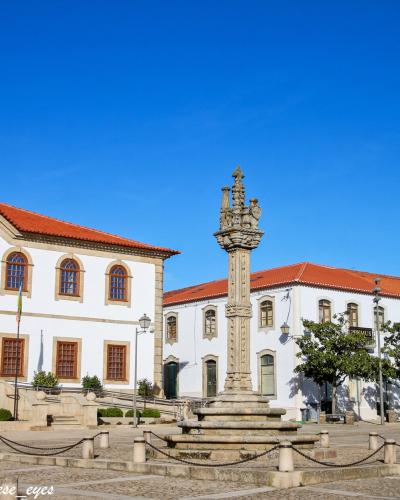
Village center in Freixo de Numão, Portugal
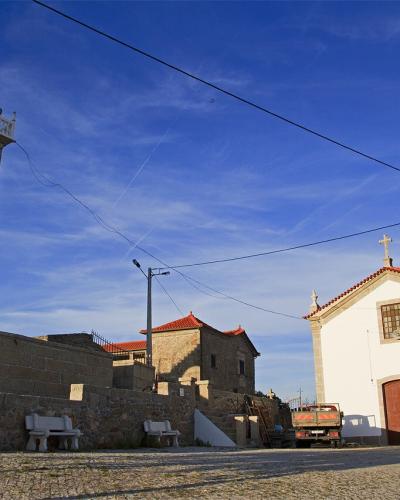
Seixo do Côa is a small village in the valley of the Côa, the river that runs north through the high country of inland Portugal before joining the Douro. Like many settlements in this region of the interior, it is built of local stone, with houses of granite and schist standing close together along lanes that follow the contours of the land rather than a regular plan. The centre is modest, a small square with a church, a few streets of old houses, and the sort of quiet that comes from a place where many younger people have moved to the cities and the population is mostly older.
The pleasure of a village like this lies in its details. Houses have thick stone walls, small windows, and wooden doors, some with outside stairs leading to an upper floor above a stable or storeroom. Wrought-iron balconies, whitewashed lintels, and old stone troughs and fountains are scattered through the streets, and chimney tops often carry nesting storks. Granite walls enclose gardens and small plots of vegetables, vines, and fruit trees, and beyond them stretch fields and pastures where sheep and goats still graze. The church, which is described in a separate listing for the village, is usually the largest building and the place where the community gathers on feast days.
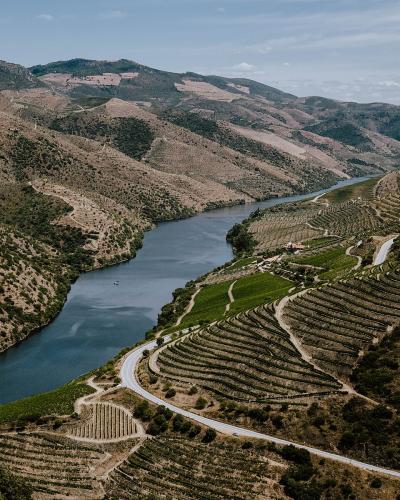
The surrounding landscape belongs to the Côa valley, a region of rolling hills, rocky outcrops, and open country, with oak and chestnut woods and a climate of cold winters and hot, dry summers. The river itself is modest in the upper part of its course, but downstream it enters a deep valley where one of Europe's most important collections of open-air prehistoric rock engravings is found, now an archaeological park listed by UNESCO. Walking trails in the valley, some of which are described in other listings, cross old farm tracks and offer views over the river and hills.
Visitors will find few services, so it helps to bring food and water or to plan meals in the larger towns nearby. Local products, such as cheeses, honey, cured sausages, and olive oil, are sold in some villages and are worth seeking out. People are generally welcoming to those who respect the quiet nature of the place.
The village suits walkers, photographers, and travellers who prefer ordinary, unspoilt places to monuments. A visit takes an hour or so on foot, longer if combined with a hike.
Categories
More photos coming soon
Nearby Attractions
Other places to visit in Freixo de Numão
Frequently Asked Questions
Quick Facts
Best Time to Visit
Spring (April-June) and autumn (September-October) offer mild weather, lush vineyards, and vibrant festivals for exploring Freixo de Numão’s history and landscapes.