Graça Fortress (Forte Da Graça)
UNESCO fortress in Elva, Portugal
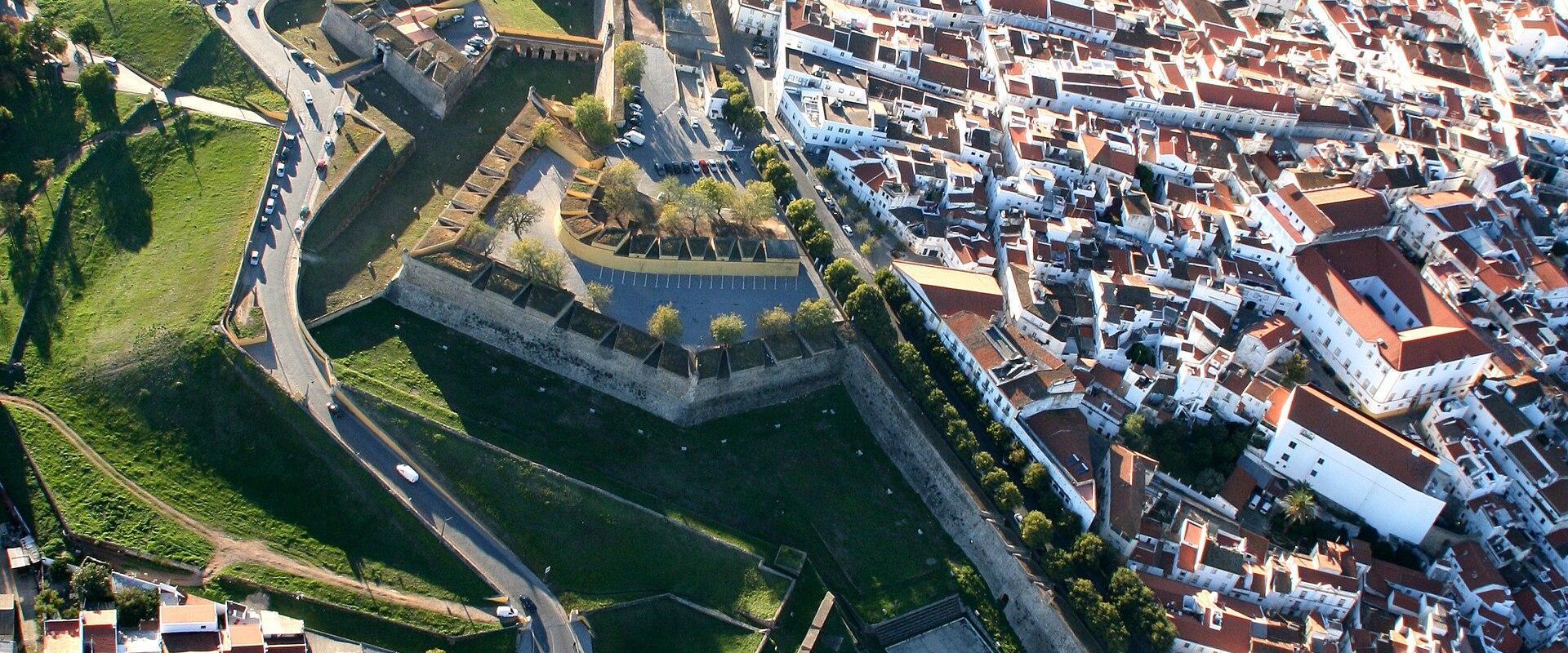
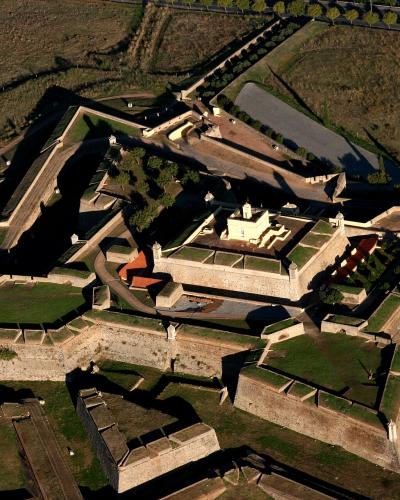
On a hill a little north of Elvas, the Forte da Graça, or Fort of Our Lady of Grace, is one of the most impressive military structures in Portugal. It sits on the Monte da Graça, a rise that overlooks the town and the plain stretching to the Spanish border, only about fifteen kilometres from the Spanish city of Badajoz. The location explains its purpose: Elvas was the strongest of Portugal's frontier towns, and the fort was built to close the gap in its defences that the hill created, a position from which an enemy could otherwise bombard the town.
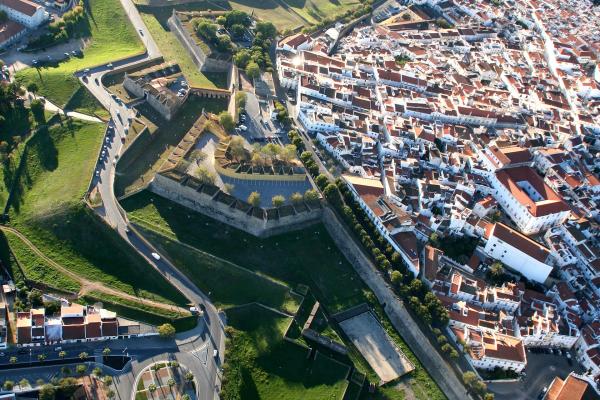
The fort was built in the second half of the 18th century, between 1763 and 1792, to a design supervised by the Count of Lippe, a German-born field marshal who was hired to reorganise the Portuguese army after the Seven Years' War. Wilhelm, Count of Schaumburg-Lippe, brought with him the latest European ideas on fortification. The result is a textbook example of the bastioned system, with a plan in the form of a four-pointed star, thick ramparts, deep ditches, and a set of outworks and covered ways, all arranged to cover each other with fire. The materials are local stone and brick, and the scale is impressive: the walls are high and wide, and the gun platforms and tunnels are laid out with mathematical neatness.
Over time, the fort took on other uses. For many decades after its military purpose faded, it served as a military prison, and it later became a historical site. Its fortifications form part of the World Heritage property that UNESCO inscribed in 2012, the Garrison Border Town of Elvas and its Fortifications, which includes the town's walls, the smaller fort of Santa Luzia, the Amoreira aqueduct and other defensive works. Together, they form the largest group of dry-ditch bastioned fortifications in the world.
Visiting needs a little planning. The fort is not always open to the public, and visits have been organised by guided tour or on set days, so check with the Elvas tourist office before making the trip. Wear comfortable shoes, as the paths along the ramparts are uneven and exposed, and bring water and a hat in summer, since there is almost no shade. The view from the walls is wide, looking across the town, the plain and the Spanish frontier on a clear day, and gives a clear sense of why the position mattered.
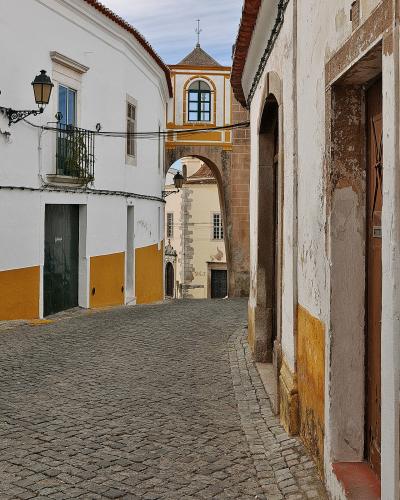
Elvas has plenty to see around it. The old town is enclosed by massive 17th-century walls with gates, and the aqueduct brings water from several kilometres away across arched stone spans. The Museu Militar and the Fort of Santa Luzia can be combined with the Graça. The fort suits history lovers, military architecture enthusiasts and photographers.
Categories
More photos coming soon
Nearby Attractions
Other places to visit in Elvas
Frequently Asked Questions
Quick Facts
Best Time to Visit
Spring (March-May) and autumn (September-November) offer warm, pleasant weather and lush scenery for exploring Elvas’ fortifications and historic sites.