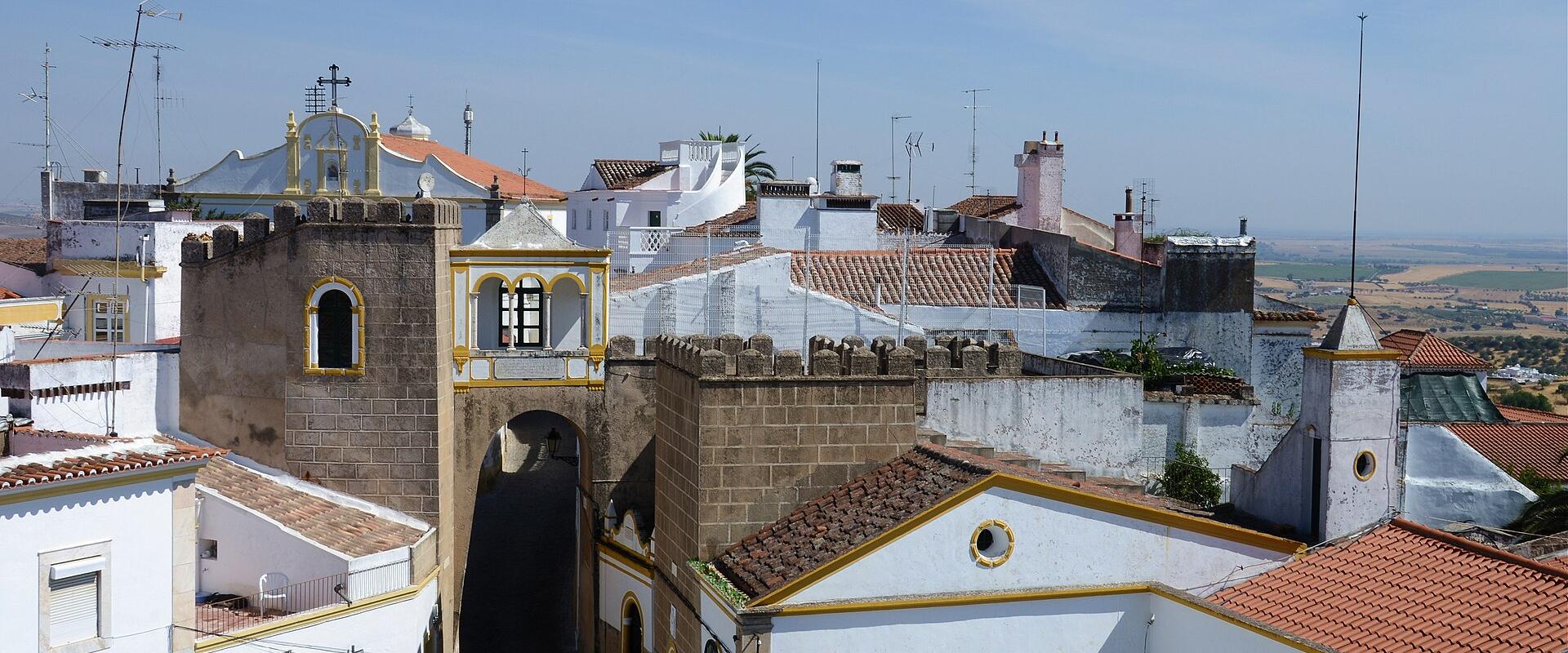
Elvas, often called the 'Key to the Kingdom,' is one of Portugal’s most fascinating historic cities, celebrated for its extraordinary military architecture and strategic importance. Its origins date back to Roman times, but Elvas rose to prominence in the Middle Ages as a frontier stronghold, defending Portugal from invasions across the Spanish border. In 1659 a Portuguese army defeated a larger Spanish force in the Battle of the Lines of Elvas, a decisive moment in the war of Restoration. The city’s crowning glory is its vast system of star-shaped fortifications, considered among the best-preserved examples of military engineering in the world and recognized as a UNESCO World Heritage Site.
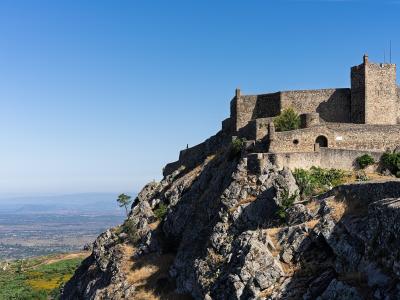
The Amoreira Aqueduct, with its towering arches stretching for over 7 kilometers, is one of Elvas’ most iconic landmarks. Built in the 16th century to supply the city with water, the aqueduct is a marvel of Renaissance engineering and a striking sight as you approach the city. Within the walls, Elvas Castle stands atop the highest point, offering panoramic views over the city and surrounding plains. The castle’s ramparts, towers and dungeons evoke centuries of battles and sieges. The ruined Ponte da Ajuda on the Guadiana and the Penedo do Castelo viewpoint give further reminders of the frontier’s military past.
Elvas is also home to two major outlying forts: Forte de Nossa Senhora da Graça and Forte de Santa Luzia. Both are masterpieces of 17th- and 18th-century military design, featuring star-shaped layouts, deep moats and formidable bastions. The Graça fort, on a hill north of the city, was built in the late eighteenth century and is among the most impressive bastioned forts in Europe. Guided tours provide insight into the history, architecture and daily life of the soldiers who once defended these strongholds.
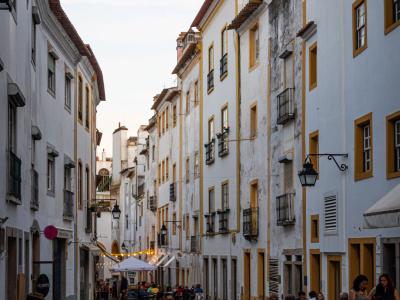
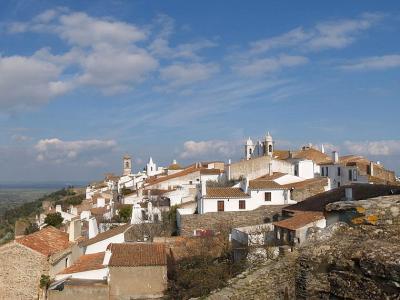
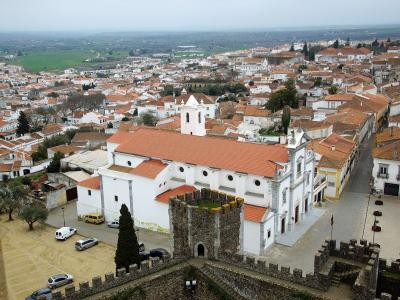
The city’s historic center is a maze of narrow streets, whitewashed houses and lively squares. Praça da República, the main square, is lined with cafes and shops and dominated by the Cathedral of Elvas (Sé), a blend of Gothic, Manueline and Baroque styles. The Largo de Santa Clara, with its pillory, and the old gates, such as the Portas de Olivença, add to the sense of a living military town. The city’s museums, including the Military Museum and the Museum of Contemporary Art, offer further glimpses into Elvas’ rich heritage.
Elvas is known for its vibrant festivals, especially the Festas do Senhor da Piedade e de São Mateus in late September, featuring markets, processions and traditional music. Local cuisine is hearty and flavorful, with specialties such as lamb stew, migas and regional sweets, best enjoyed in the city’s welcoming taverns. The best-known sweets are the Elvas plums, candied greengages that are protected by a regional designation, and sericaia, a spongy egg pudding eaten with the plums.
Getting to Elvas is straightforward, with the city located about 230 kilometers east of Lisbon and easily accessible by car or bus, and the Spanish city of Badajoz is a short drive away. The city is compact and walkable, though a car is useful for visiting the outlying forts and exploring the surrounding Alentejo countryside. Accommodation options range from historic pousadas and boutique hotels to rural guesthouses.
The best time to visit Elvas is in spring (March-May) or autumn (September-November), when the weather is warm but not too hot, and the countryside is lush and green. Summers can be very hot, while winters are mild and quieter. For military history, architecture and vibrant local culture, Elvas promises a memorable and unique Alentejo experience.
Best time to visit
Spring (March-May) and autumn (September-November) offer warm, pleasant weather and lush scenery for exploring Elvas’ fortifications and historic sites.
What to see in Elvas
Our picks first.
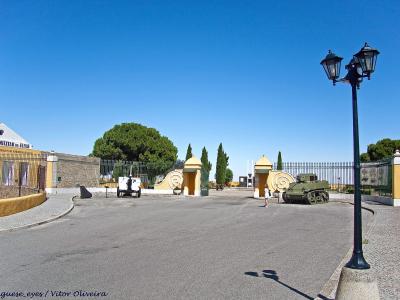
Museu Militar De Elvas
Military museum in a historic 17th-century convent
Cultural Experiences · History & Heritage
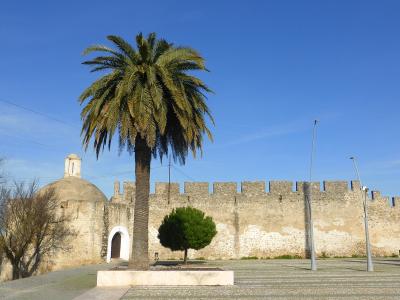
The Walls Of Elvas
Largest fortified city in Europe
Fortresses · Guided Tours
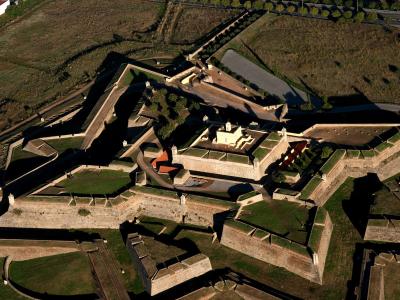
Santa Luzia Fort
18th-century star fort in Elvas, Portugal
Fortresses · Hiking Trails
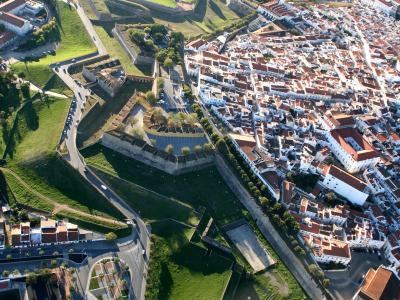
Graça Fortress (Forte Da Graça)
UNESCO fortress in Elva, Portugal
Fortresses · Historic Towns
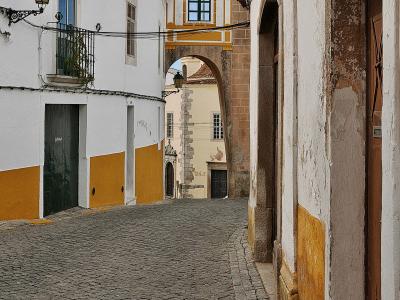
Largo De Santa Clara
Historic plaza in Elvas, Portugal
Historic Towns · Statues & Monuments
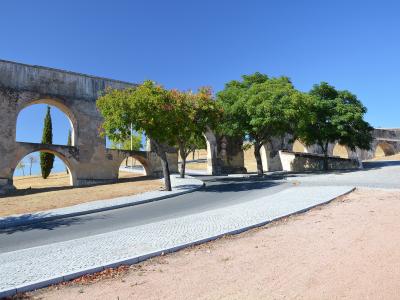
Amoreira Aqueduct
16th-century aqueduct in Elvas, Portugal
Historic Towns · Statues & Monuments
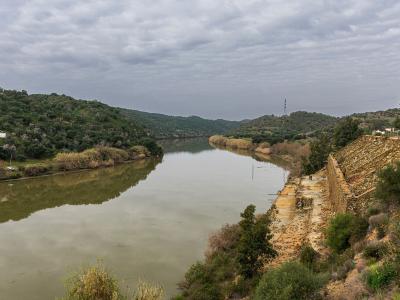
Guadiana River
Border river between Portugal and Spain
Natural Wonders
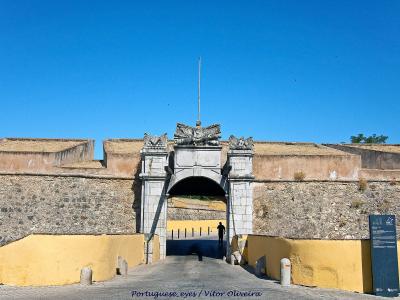
Portas De Olivença
Historic gate in Elvas, Portugal
Historic Towns
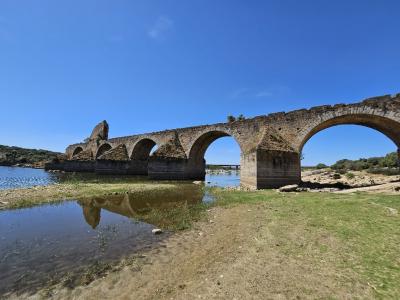
Ponte Da Ajuda
Ruined 16th-century stone bridge on the Guadiana
Free History & Heritage · Natural Wonders
Elvas by interest
The same sights, grouped by what you came for.
Did you know?
Checked facts about Elvas, each with its source.
-
History
Elvas Has the World's Largest Land Bastioned Fortifications
In June 2012 UNESCO inscribed the 'Garrison Border Town of Elvas and its Fortifications' as a World Heritage Site. Its ring of walls and forts is the largest system of land-based bastioned fortifications in the world.
Source: CP – Comboios de Portugal
Planning a visit to Elvas
Itineraries that include Elvas
Good to know
- Currency
- EUR
- Language
- Portuguese