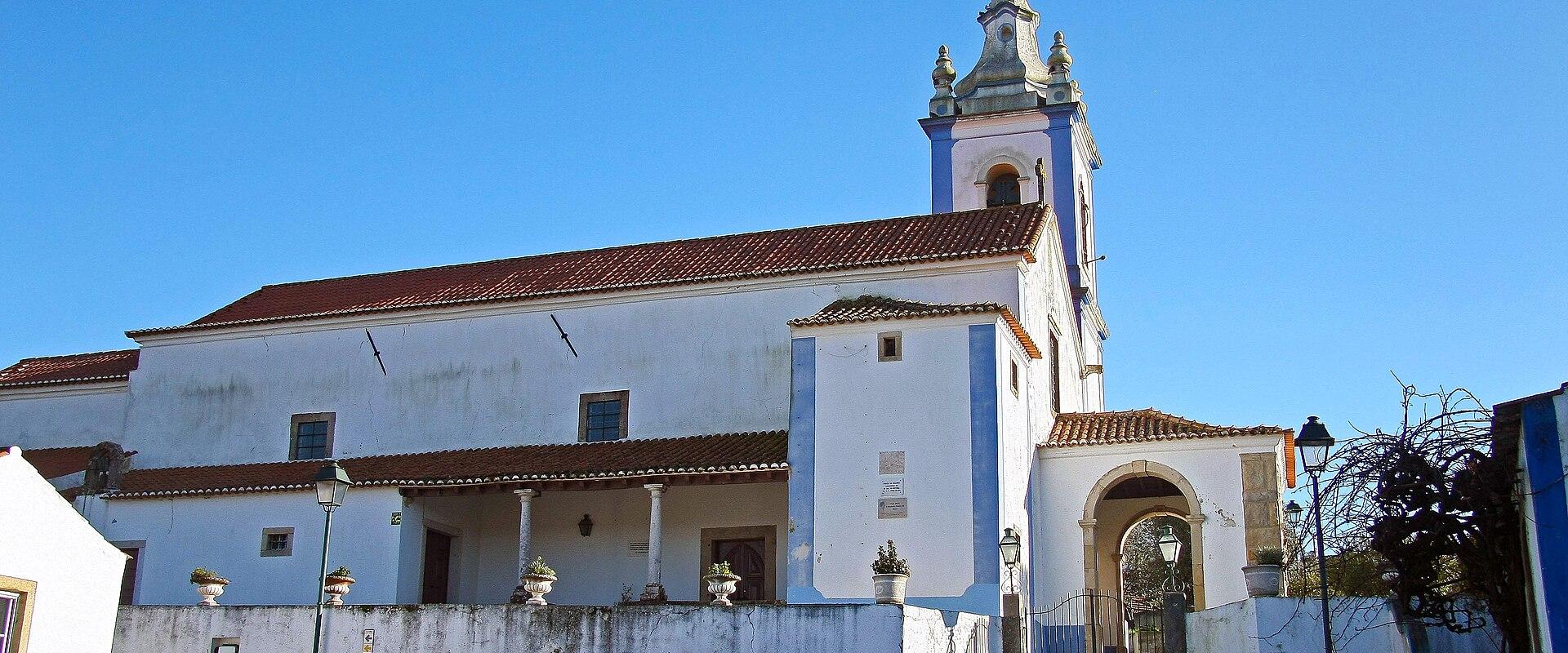
Igreja de Nossa Senhora dos Prazeres
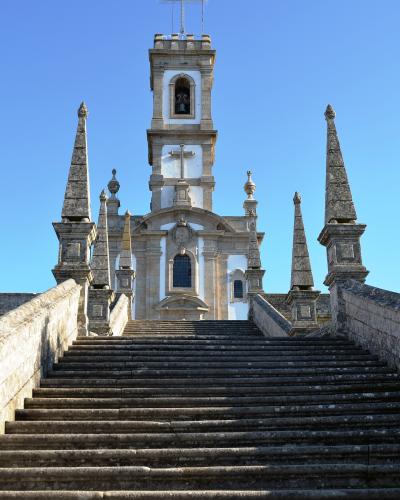
16th-century Manueline church with Pombaline nave
Aldeia Galega da Merceana is a village in the hills of the Oeste, in the municipality of Alenquer, about forty-five kilometres north of Lisbon, in a district of vineyards, orchards and small farms. The parish church, dedicated to Nossa Senhora dos Prazeres, Our Lady of Pleasures, stands in the village and is the main historic building, and its story, as with so many Portuguese parish churches, is one of layers: built in the 16th century, damaged and rebuilt in the 18th, and altered again since.
The origins of the church lie in the early 16th century, in the time of King Manuel I, when the Manueline style, rich in decorative stone carving, was the fashion in Portugal. The most characteristic feature of that period is the main doorway, which is described as Manueline, with a frame of carved mouldings, columns and arches that recall the ropes, knots and sea motifs of the Age of Discovery. Inside, early details survive, including the baptismal font and parts of the structure, and the church shows how modest rural parishes in the Lisbon region shared in the taste of the court.
The major earthquake of 1 November 1755, which devastated Lisbon and shook the surrounding region, damaged many churches around the capital, and Aldeia Galega's church was among those restored in the aftermath. The rebuilding took place in the Pombaline era, named after the Marquês de Pombal, who directed reconstruction, and it gave the church a new nave with a simplified, classical look. Tiles of the Joanine period, the Baroque style of the reign of João V in the early 18th century, line the walls in blue and white, and the pulpit and other carpentry date from this time, so the interior is a blend of Renaissance, Baroque and Pombaline elements. This mixture is typical of the region and, in its way, is charming, since it reflects the history of a community rebuilding after disaster.
Today, the church is the centre of village life, with Mass, baptisms and weddings, and religious festivals and processions that end in concerts or fairs. As it is a working parish church, it is not always open, and access may depend on services, so contact the parish office to arrange a visit. Dress modestly and be quiet.
The surrounding countryside is worth exploring. The town of Alenquer, a few kilometres away, climbs a hillside above the Alenquer river, with a medieval centre and the church-convent of São Francisco, burial place of the humanist Damião de Góis, who was born in the town. The Serra de Montejunto rises to the north, and the district is a wine region with estates that can be visited. The church suits those who like quiet rural monuments, and it combines with a drive through the Oeste.
Categories
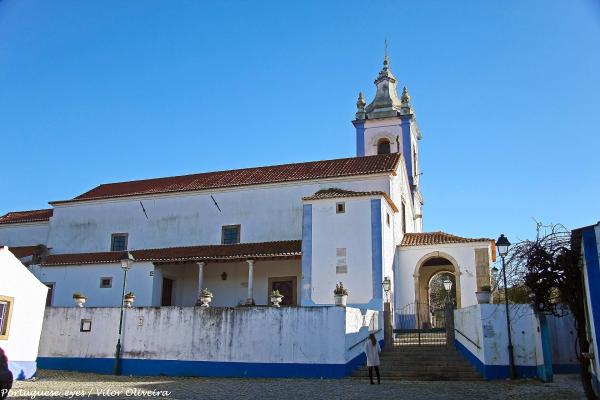
More photos coming soon
Opening Hours
Hours
No specific opening hours provided in the source data; contact the parish directly for access times.
Nearby Attractions
Closest attractions by distance
Frequently Asked Questions
Quick Facts
Best Time to Visit
Spring (March-May) and autumn (September-October) offer warm weather, vibrant vineyards, and ideal conditions for wine tasting and outdoor activities.