




Jardim-Horto de Camões
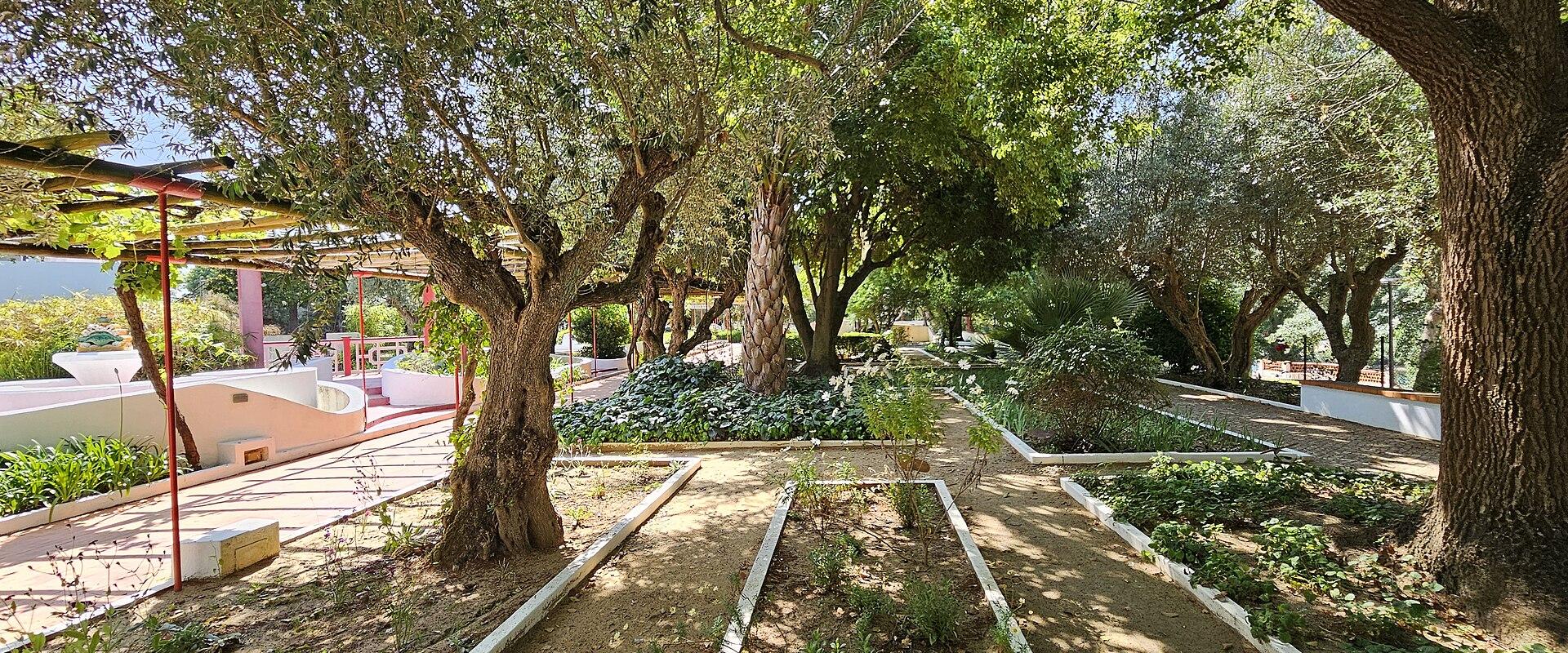
1990 garden by Gonçalo Ribeiro Teles with 52 Camões plants
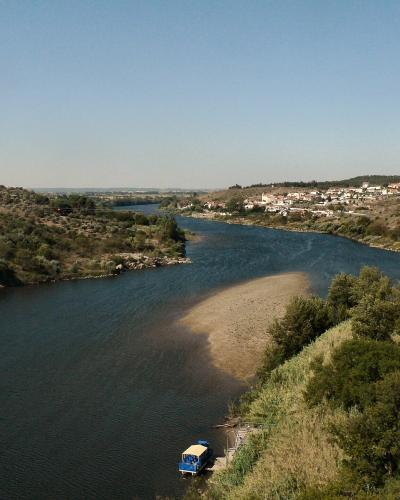
Constância is a small town where two rivers meet, the Tagus and its tributary the Zêzere, and it has long been associated with the poet Luís de Camões. The great poet of the Portuguese language, author of the epic Os Lusíadas, is thought to have spent a period in this area in the 1540s, when, according to tradition, he was exiled from the court at Lisbon after a romantic scandal. The town has embraced the link, and calls itself the Vila Poema, the Poem Town, with verses on walls, plaques and benches. The Jardim-Horto de Camões, the Camões Garden-Orchard, is a living part of that homage.
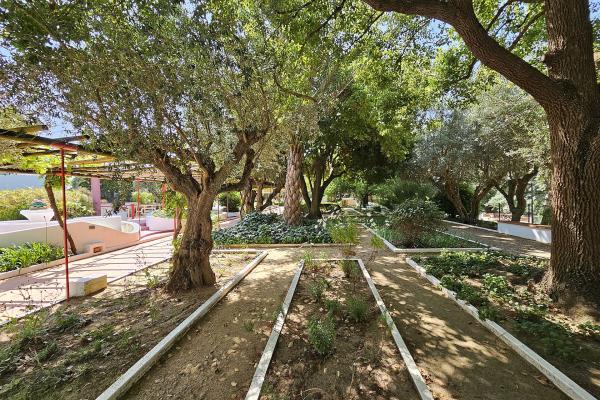
The garden was designed by Gonçalo Ribeiro Telles, one of the most important Portuguese landscape architects of the 20th century, a pioneer of ecological thinking in landscape and urban planning, who was also a politician and environmental campaigner. It was opened in 1990, and the idea behind it was to recreate in plants the world of the poet's imagination. Camões, in his poems, mentioned many plants, from the herbs of the countryside to the trees of the Orient that Portuguese sailors encountered, and the garden brings together about 52 species named in his work, arranged in beds, hedges and groves, and labelled for visitors to match with the verses. The word horto, an old word for an orchard or kitchen garden, evokes the cultivated spaces of the Renaissance.
The visit is gentle and thoughtful. Paths wind between flower beds, with fruit trees, shrubs, aromatic herbs and flowering plants, among them roses, myrtle, laurel, pomegranate, citrus and grapevines, giving scents and colours that change with the season. Information panels set the plants beside lines from the poems, and the pleasure lies in the connection between landscape and literature. The garden has been designed with accessibility in mind, with a certification for tourism accessible to all, a shaded resting area and an adapted toilet, though there are changes of level, so some paths may need assistance.
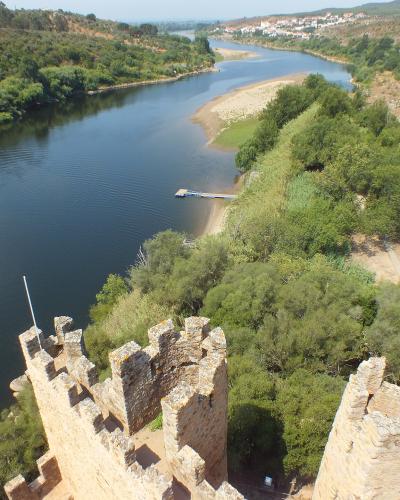
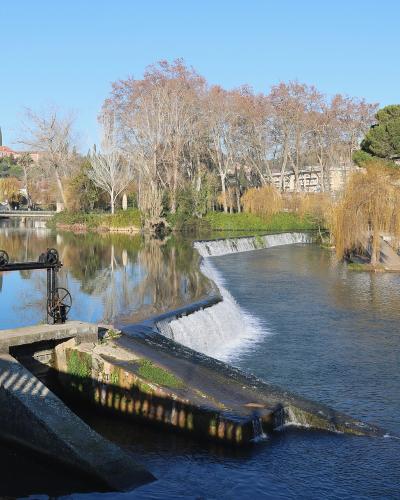
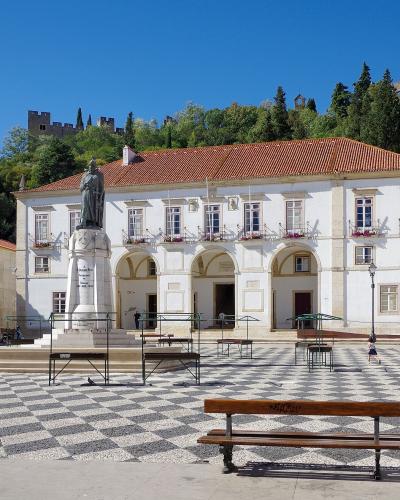
The garden stands on the edge of the town, on Avenida das Forças Armadas, close to the river, and it combines easily with a walk through Constância. The old centre has whitewashed houses on the slope above the confluence, a viewpoint over the rivers, a square with a statue of Camões, and the Casa-Memória de Camões, a small museum in a house linked with the poet. Boats and canoes can be rented on the river, and the nearby castle of Almourol, on its island in the Tagus, is a short drive away.
The garden is open daily and free, and spring is the best season, when the flowers are in bloom. It suits lovers of literature and gardens, families and slow walkers.
Categories
More photos coming soon
Nearby Attractions
Closest attractions by distance
Frequently Asked Questions
Quick Facts
Best Time to Visit
Spring (March-May) and early autumn (September-October) offer mild weather, blooming gardens, and ideal conditions for riverside walks and outdoor activities.