
Lisbon's Steep Hills (for Panoramic Views)
Seven steep hills with panoramic city and river views
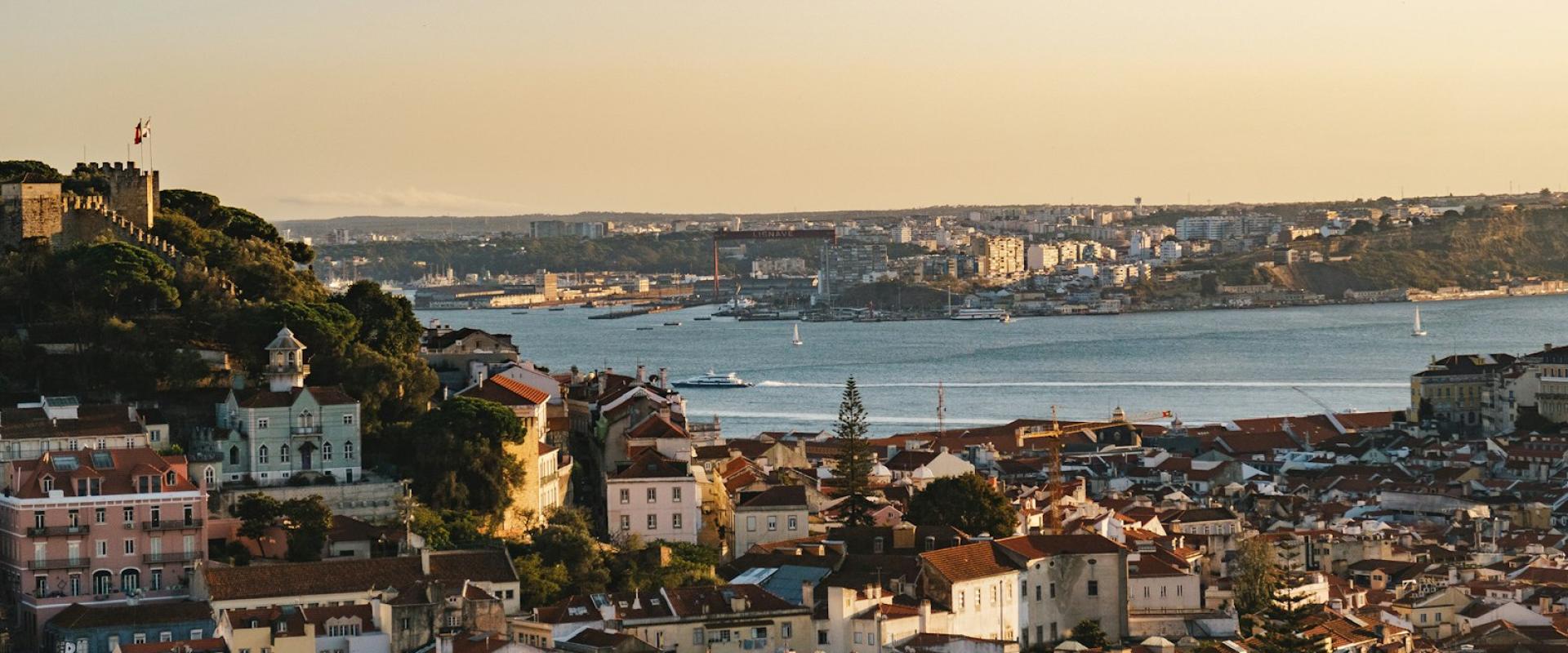
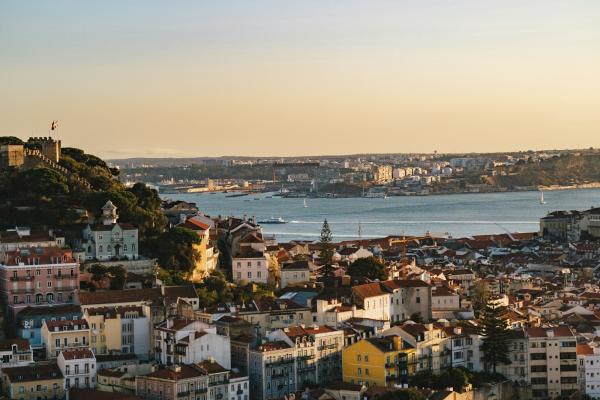
Lisbon is a city of slopes. Its centre lies in a river valley, and the old neighbourhoods rise from it on both sides in steep hills, so that nearly every walk involves climbing, and nearly every climb ends in a view. The city is traditionally said to stand on seven hills, like Rome, though the exact list varies from one source to another. The commonly cited ones are the hill of the Castle, São Vicente, Sant'Ana, Santo André, Chagas, Santa Catarina and São Roque, and between them they hold most of the viewpoints, the miradouros, that are among the best things about the city.
The slopes have shaped the city's history. The earliest settlement, Phoenician, Roman and then Moorish, grew on the hill of the castle, above the river, because it was easy to defend, and the medieval town spread down its flanks into the district now called Alfama. After the earthquake of 1755 destroyed the low-lying centre, the Marquês de Pombal laid out the flat grid of the Baixa in the valley, and the hills survived as the older, more irregular districts around it. The result is a contrast between the geometric lower town and the winding, stepped streets above.
The best viewpoints are scattered across the hills. On the castle hill, the Miradouro de Santa Luzia and the Portas do Sol look down over the roofs of Alfama to the river, with the dome of the Pantheon and the pastel houses below. On the slope of Graça, a terrace with a pine tree shows the whole of the Baixa and the castle opposite, and higher still, the Senhora do Monte, one of the highest points in the city, gives a view over the entire city. In the Bairro Alto, the garden of São Pedro de Alcântara looks across the valley to the castle, and the Miradouro de Santa Catarina, with its statue of the giant Adamastor from Camões's epic, is a popular place to watch the sunset with a drink. Each has its own character, from quiet to lively.
Getting up the hills is part of the pleasure. Lisbon has a famous system of historic transport: yellow trams that rattle up the narrow streets, funiculars known as elevadores, such as the Glória and the Bica, and the Santa Justa lift, a neo-Gothic iron tower of 1902 that links the Baixa with the Largo do Carmo. They save legs, though they are crowded in summer, and the best strategy is often to take transport up and walk down. Pavements are made of small limestone cobbles, which become slippery when wet, so shoes with grip are essential.
Go early in the morning or late in the afternoon, when the light is soft and the heat is less intense, and bring water. The hills suit walkers, photographers and anyone who enjoys a view.
Categories
More photos coming soon
Nearby Attractions
Other places to visit in Lisbon

Frequently Asked Questions
Quick Facts
Best Time to Visit
March to May and September to October offer warm weather, fewer crowds, and ideal conditions for sightseeing and outdoor activities in Lisbon.