Local Streets (Cobbled/White-washed)
Winding streets with white-washed buildings
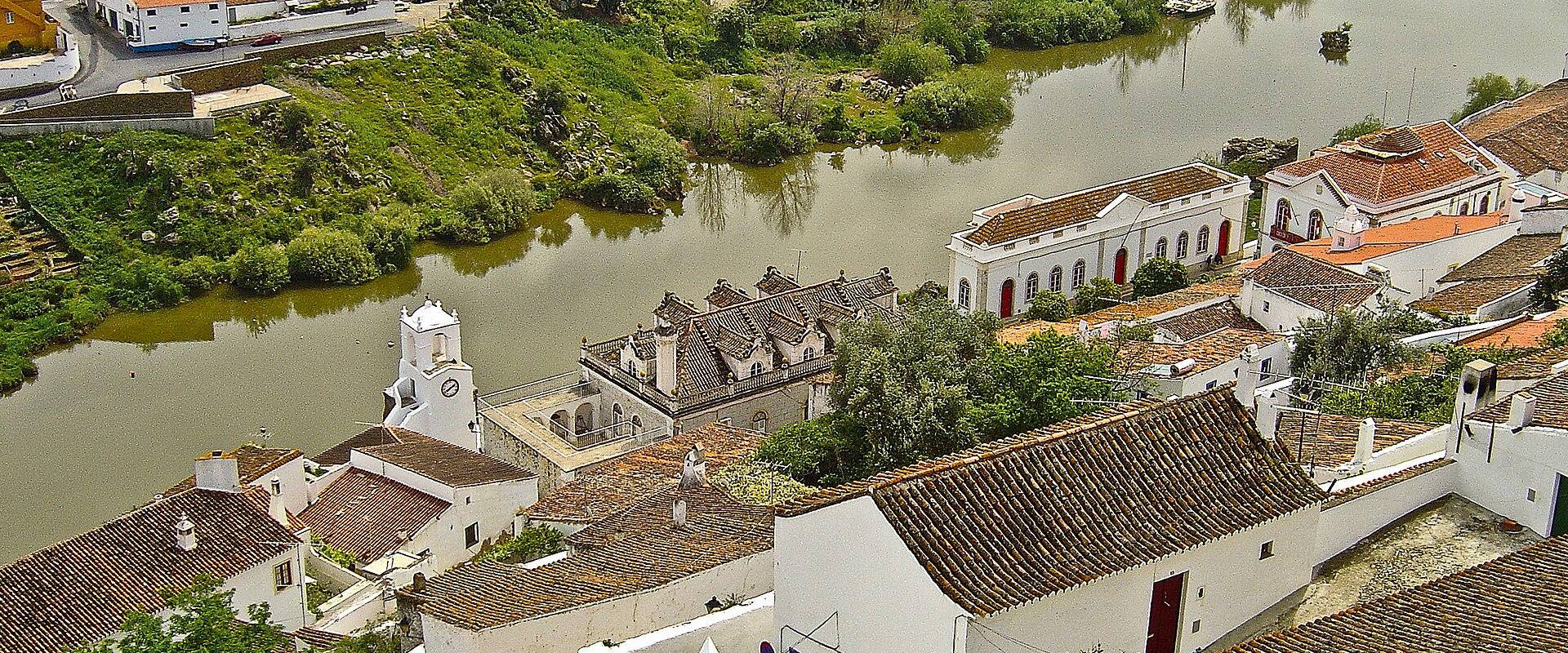
Mértola's streets are the best way to see the town, since almost everything of interest lies within a few minutes' walk of one another along a network of steep lanes. The town sits on a ridge between the Guadiana and a smaller stream, the Oeiras, and the old quarter, known as the Vila Velha, climbs the hillside from the river quay up to the castle. The lanes follow the contours of the ground, twisting, branching, and ending in small squares or steps, so that a stroll has no fixed route and a surprise around each corner.
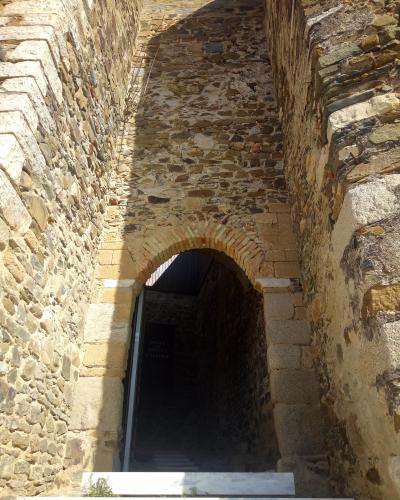
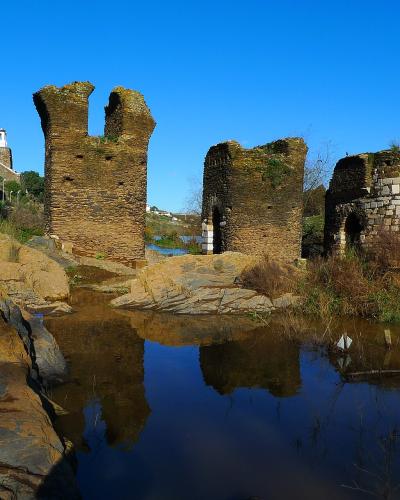
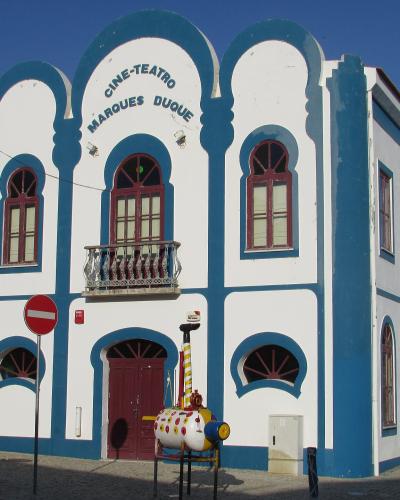
The houses are low and whitewashed, with doors and window frames picked out in blue, ochre, or grey, and roofs of terracotta tiles. Many have a small chimney of a typical Alentejo shape, a front step scrubbed daily, and pots of geraniums or herbs beside the door. The paving is of cobbles or slabs of schist, the local stone, worn smooth by centuries of use and often steep, so walking shoes with grip are needed. In places arches span the lanes, and lengths of old wall come into view, relics of the Roman and Islamic town, with reused stones in the lower courses of houses.
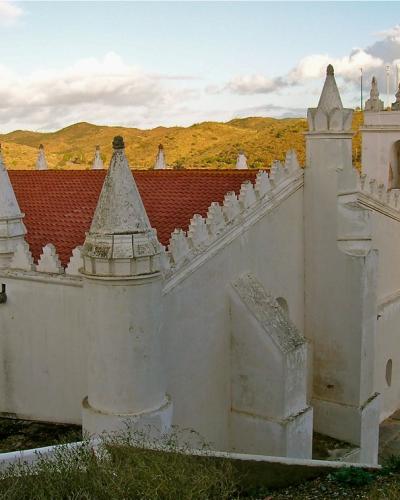
What makes the streets special is the combination of quiet and history. There is little traffic, and the sounds are footsteps, birdsong, and the occasional voice from a window. A number of sights lie along the way. The old mosque, now the parish church, stands in the middle, with its horseshoe doorways, and the castle with its tower looks down from the top. Down at the river, a tower and wall descend to the water, and small museums, set in old houses, show Roman, Islamic, and medieval objects. Craftspeople, including weavers who make traditional wool rugs and blankets, have small workshops in the lanes, and visitors can watch them work and buy their products.
Time of day matters. Early morning is cool and quiet, when the light is soft and shops are opening, while the hot hours of the afternoon in summer empty the streets, and evening brings a pleasant atmosphere with doors open and neighbours chatting. A cultural festival with an Islamic theme is held in the town from time to time, and fills the streets with markets and music.
The streets suit walkers, photographers, and anyone who enjoys small towns. Allow two hours for a slow wander, with stops at a café or a viewpoint over the river.
Categories
More photos coming soon
Nearby Attractions
Other places to visit in Mértola
Frequently Asked Questions
Quick Facts
Best Time to Visit
Spring (March-May) and early autumn (September-October) offer warm, pleasant weather and vibrant landscapes for exploring Mértola’s history and natural park.