





Local Wineries
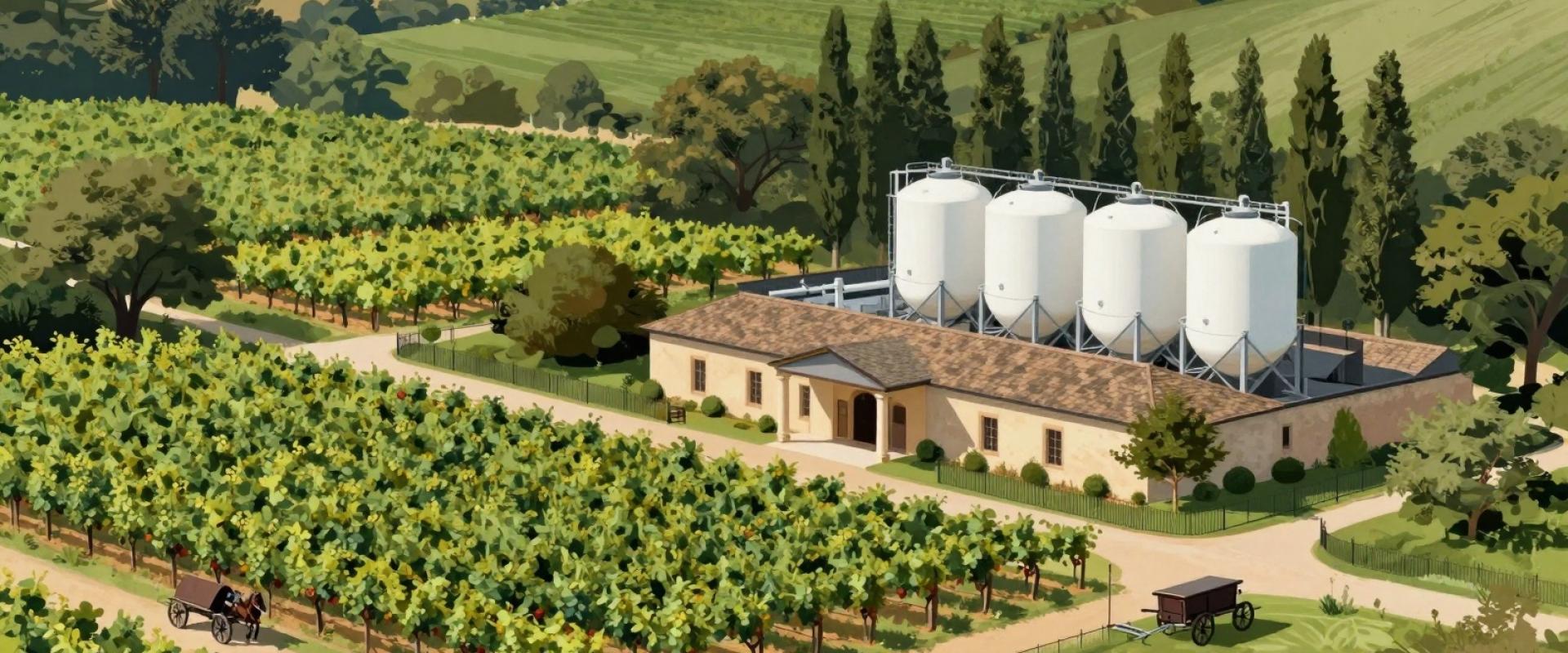
Sand-managed port wine estate in Douro
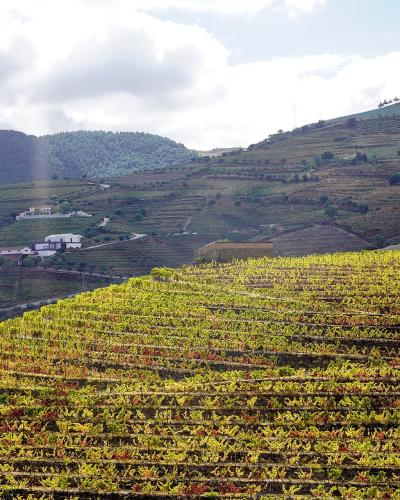
To understand the wineries of the Douro, it helps to know how the region is divided and how its best-known wine is made. The Douro valley is split into three sub-regions along the river: the Baixo Corgo, nearest the coast and the wettest, the Cima Corgo, in the middle, which has the most celebrated estates, and the Douro Superior, the hot, dry eastern end toward the Spanish border. Quinta do Seixo, owned by the Port house Sandeman, which is part of the Sogrape group, lies in the Cima Corgo, near Valença do Douro, in the area that produces many of the finest Ports.
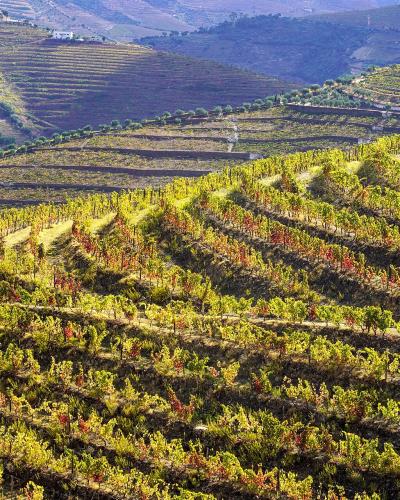
Port is a fortified wine. After the grapes are harvested in autumn, traditionally by hand, they are crushed, historically by foot in stone tanks called lagares, and fermentation begins. When about half the natural sugar has been turned into alcohol, grape spirit is added, which halts fermentation and leaves a sweet, strong wine. The young wine is then aged, either for a short time in large vats or for many years in oak barrels called pipes, in cellars at Vila Nova de Gaia, opposite Porto, or in cooler spots in the valley. The grape varieties are mostly local, such as Touriga Nacional, Touriga Franca, Tinta Roriz, Tinta Barroca and Tinto Cão, often blended, grown on terraces of schist.
The different styles are easiest to understand through tasting. White Port, made from white grapes, is often served chilled, sometimes with tonic water in summer. Ruby Port is fruity, young and deep red, aged briefly. Tawny Port spends longer in wood, which gives it a golden-brown colour and flavours of nuts, caramel and dried fruit, and old tawnies, aged ten, twenty, thirty or forty years, are among the most complex. Vintage Port is made only in exceptional years and aged briefly in barrel before long maturation in bottle. A visit to a quinta that offers a flight of several styles is a good way to compare them.
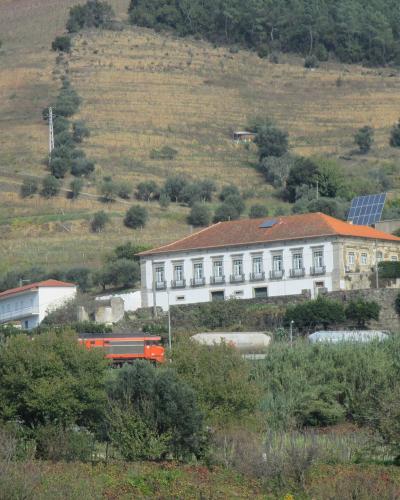
At Quinta do Seixo, the visits include a winery tour and tastings of different Ports, with options for longer experiences that focus on old tawnies or pair wine with cheese. The estate's setting, with views across the valley and a modern visitor centre, adds to the experience. Bookings are advisable, and tours are timed, so check availability, especially during the harvest. Private transport is almost essential, as there is no public service, so arrange a driver or taxi if you plan to taste several wines.
Spring and autumn are the best seasons, when the vines are green or turning gold and the temperatures are comfortable. Summers can be extremely hot, and tastings are best arranged in the morning. Wear comfortable shoes if you plan to walk among the vines, and bring a hat. The winery visit suits wine enthusiasts and curious beginners, and it makes a good complement to a river cruise or a stay in Pinhão.
Categories
More photos coming soon
Opening Hours
Hours
Specific tour durations are 50 minutes to 1.5 hours, but general ad/.
Nearby Attractions
Other places to visit in Quinta do Seixo
Frequently Asked Questions
Quick Facts
Best Time to Visit
Late spring to early autumn (May–October) offers lush vineyards, warm weather, and the best conditions for tours, tastings, and Douro Valley scenery.