
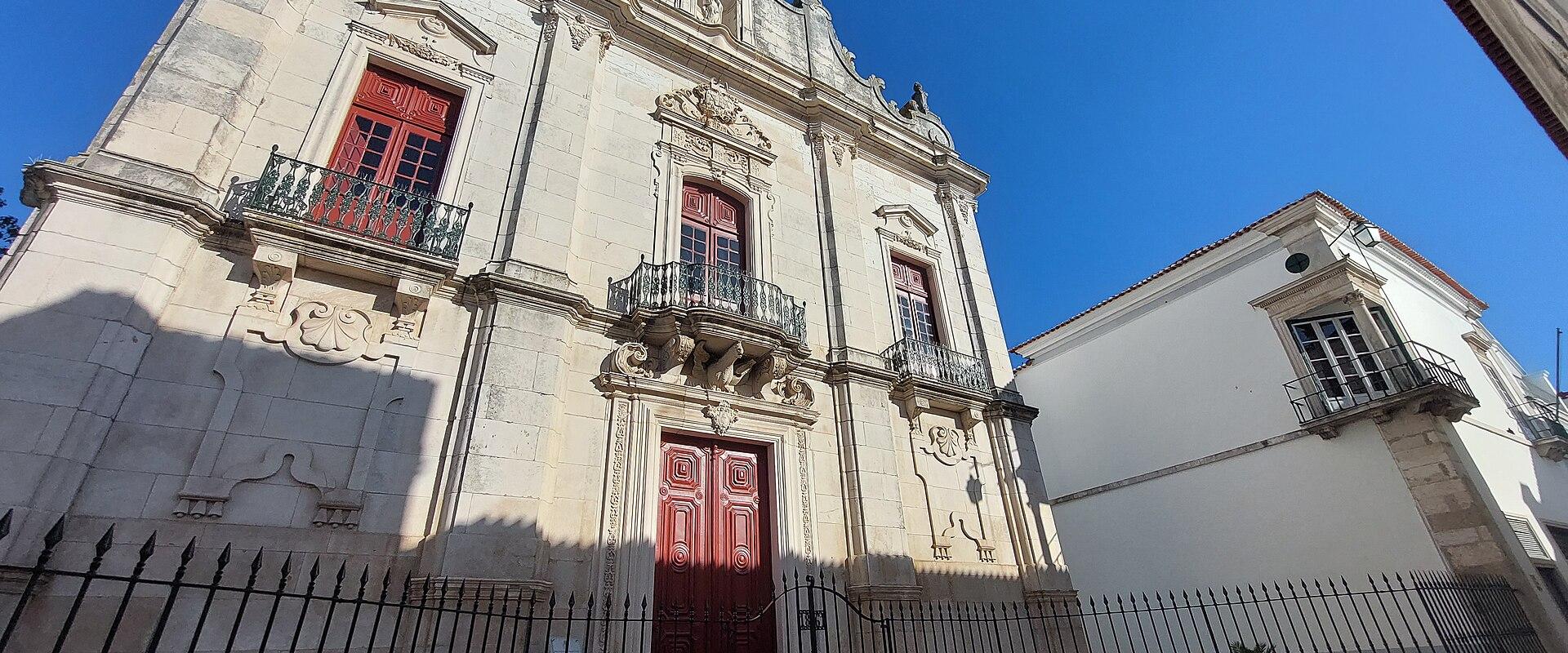
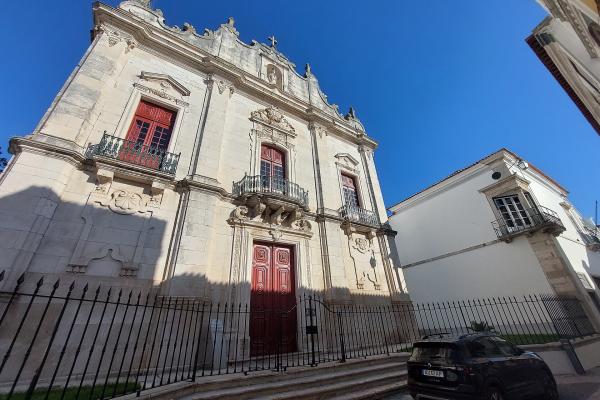
The Igreja da Misericórdia in Santarém belongs to a particular kind of Portuguese institution, the Misericórdia, a lay brotherhood devoted to works of mercy such as caring for the sick, feeding the hungry, burying the dead and visiting prisoners. The movement began in Lisbon in 1498 under Queen Leonor, widow of King João II, and spread rapidly to towns across Portugal and its empire, so that nearly every town of any size had its Misericórdia, with its own church and often a hospital. These churches are a feature of the country's architecture, and the one in Santarém is a good example.
Santarém, on its high bluff above the Tagus, was one of the richest medieval towns of Portugal, and it is dotted with Gothic churches and convents. The Misericórdia is a later building, from the Renaissance period of the 16th century, and it reflects the new tastes that came with the age of discovery. The design is generally attributed to Miguel de Arruda, a leading architect and military engineer of the time, who worked on fortifications and churches in several parts of the country. The exterior, rebuilt in part after the 1755 earthquake, is plain, and the real interest is inside.
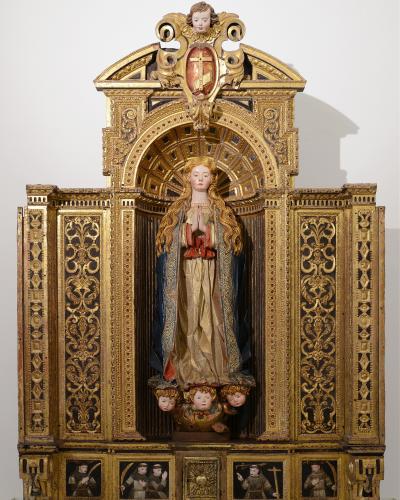
Inside, the church is an example of the hall type, with three naves of equal height divided by columns, an arrangement that gives the interior a spacious, uniform feeling. The vaulting is ribbed, and the proportions are calm and balanced, with the light falling evenly. Painted panels and decorative works by 16th- and 17th-century artists adorn the walls and altars, and a historic organ adds to the atmosphere. The interior is quiet and welcoming, an unusual contrast to the more elaborate Baroque churches elsewhere.
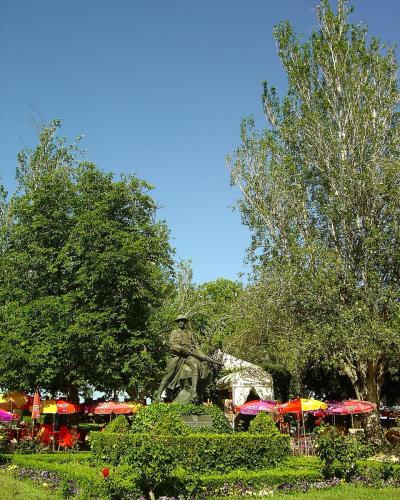
The church can be seen as part of a walk around the old centre of Santarém. The Gothic church of Graça, with its great rose window, the church of Marvila, with its Manueline portal, the Holy Miracle church, the diocesan museum and the Jardim das Portas do Sol are all within a short distance. The main square, Praça Sá da Bandeira, is lined with cafes, and the viewpoint over the Tagus provides a broad panorama.
Opening hours are limited, with a break at midday and variations at the weekend, so check locally before going. The church is not large, and a visit takes about half an hour. Because it remains a place of worship, quiet and modest dress are appropriate. It suits visitors interested in religious architecture and the social history of Portugal, and it is a calm stop in a busy day of sightseeing.
Categories
More photos coming soon
Nearby Attractions
Other places to visit in Santarém
Frequently Asked Questions
Quick Facts
Best Time to Visit
Spring (mid-April to mid-June) and autumn (mid-September to early October) offer mild weather and vibrant scenery for exploring Santarém’s historic sites.