



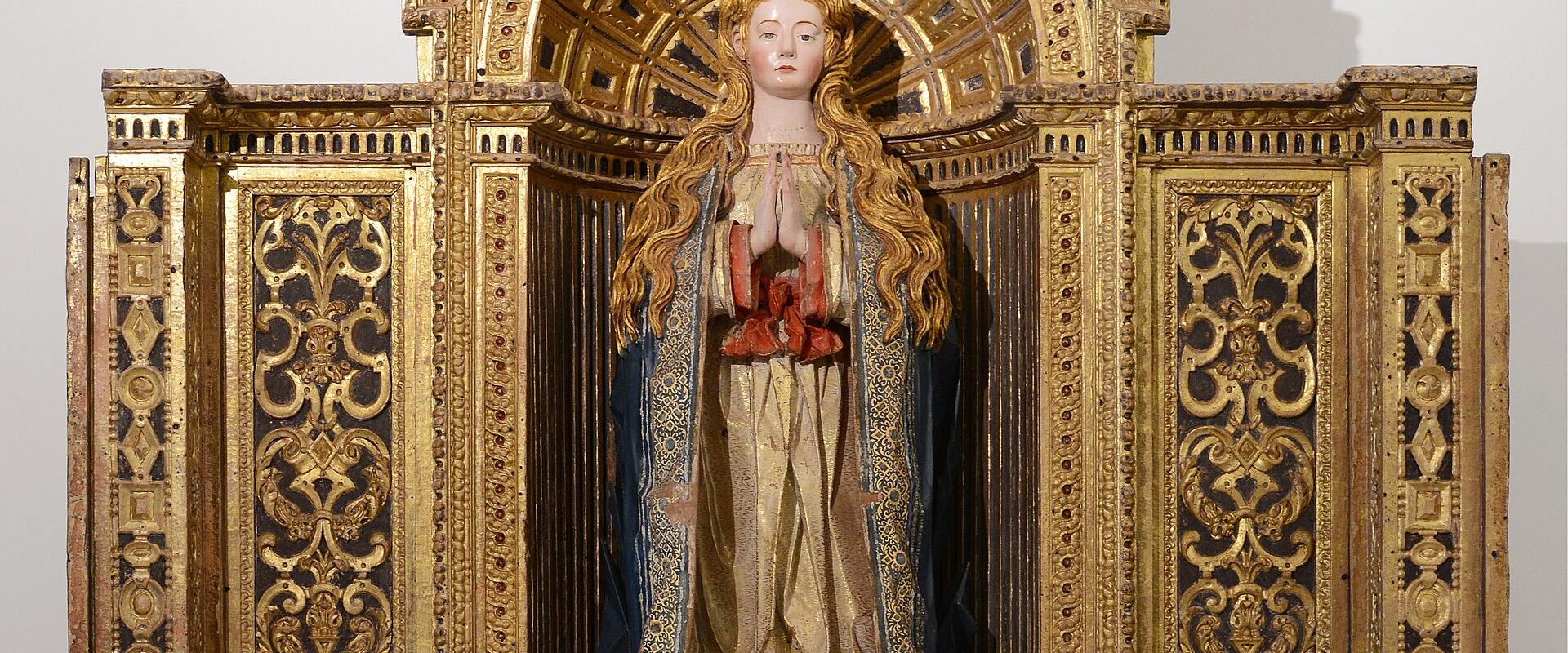
Museu Diocesano
Religious art in former Jesuit college
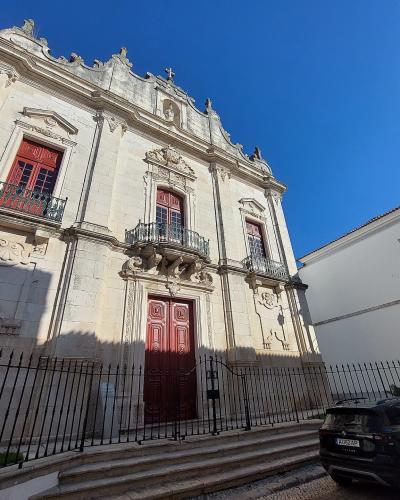
The Diocesan Museum of Santarém is a museum of sacred art, installed in part of the former Jesuit college that adjoins the city's cathedral, which was itself the Jesuit church before it was raised to cathedral status. Santarém sits above the Tagus on a high bluff, and its old town has been called the capital of Portuguese Gothic, with a remarkable number of medieval churches. The museum presents the religious art of the surrounding diocese and is part of a national network of museums known as the Cathedral Route.
The building has a long history. The Jesuit college was founded in the 16th century and was one of the important teaching institutions of the order in Portugal, until the Jesuits were expelled in 1759 by the Marquês de Pombal. It occupies a site where, according to tradition, one of the royal palaces of the medieval kings once stood, in a town that was a favourite residence of the court. After the expulsion, the college was used for various purposes, and in the 20th century, part of it was adapted as the museum. The large, plain rooms and the corridors have the austere proportions typical of Jesuit buildings.
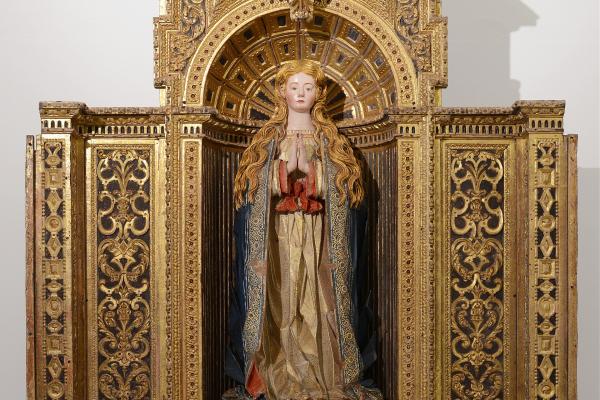
The collection brings together works from parish churches across the diocese, saved from decay, theft or neglect. It includes paintings, polychrome wooden sculpture, goldsmiths' work, liturgical vestments and furniture, covering a time span from the Middle Ages to the 19th century. Medieval stone and wooden figures of saints sit alongside gilded Baroque altarpieces and processional items, so that the visitor can follow changes in taste and devotion across the centuries. Many of the objects were made for small village churches, and they show the faith and craft of ordinary communities. Labels and information panels explain the origin of each piece.
The museum can be visited along with the cathedral and its sacristy, and the circuit gives a good overview of the religious life of the region. Opening hours differ between weekdays, weekends and seasons, with a lunch break on some days, so check the current timetable before visiting. A small admission fee is charged. The visit takes about an hour.
Santarém has a good deal more to offer on foot. The Jardim das Portas do Sol offers sweeping views of the Tagus plain, and the churches of Graça, Marvila, the Misericórdia and the Holy Miracle are all within a short walk, as is the Praça Sá da Bandeira, the main square, lined with cafes. The convent of São Francisco is another Gothic monument in the town. The museum suits those interested in religious art and local history, and it is a quiet place for a rainy day.
Categories
More photos coming soon
Nearby Attractions
Other places to visit in Santarém

Frequently Asked Questions
Quick Facts
Best Time to Visit
Spring (mid-April to mid-June) and autumn (mid-September to early October) offer mild weather and vibrant scenery for exploring Santarém’s historic sites.