





Museu do Azulejo (Azulejo Museum)
National tile museum in historic convent
The Museu Nacional do Azulejo is the national museum of tiles, and it is housed in one of the most remarkable convent buildings in Lisbon. It lies in the eastern part of the city, in the Madre de Deus area near the river, away from the main tourist routes, and that distance helps to keep it calm. The convent of Madre de Deus was founded in 1509 by Queen Leonor, the widow of King João II, who also founded the Misericórdia charitable brotherhood, and the church, cloister, and other rooms have been adapted to display a collection that runs from the 15th century to the present.
The building is part of the attraction. The church, remodelled in the 18th century under King João V, is a showpiece of the full Portuguese Baroque, with walls covered in gilded woodwork, large paintings, and blue and white tile panels, and the whole effect is dazzling. The cloister, in Manueline style, adds a quiet courtyard of pale stone, and the convent's small chapels and other rooms contain more tile decoration. A café in the old refectory is a pleasant place to rest.
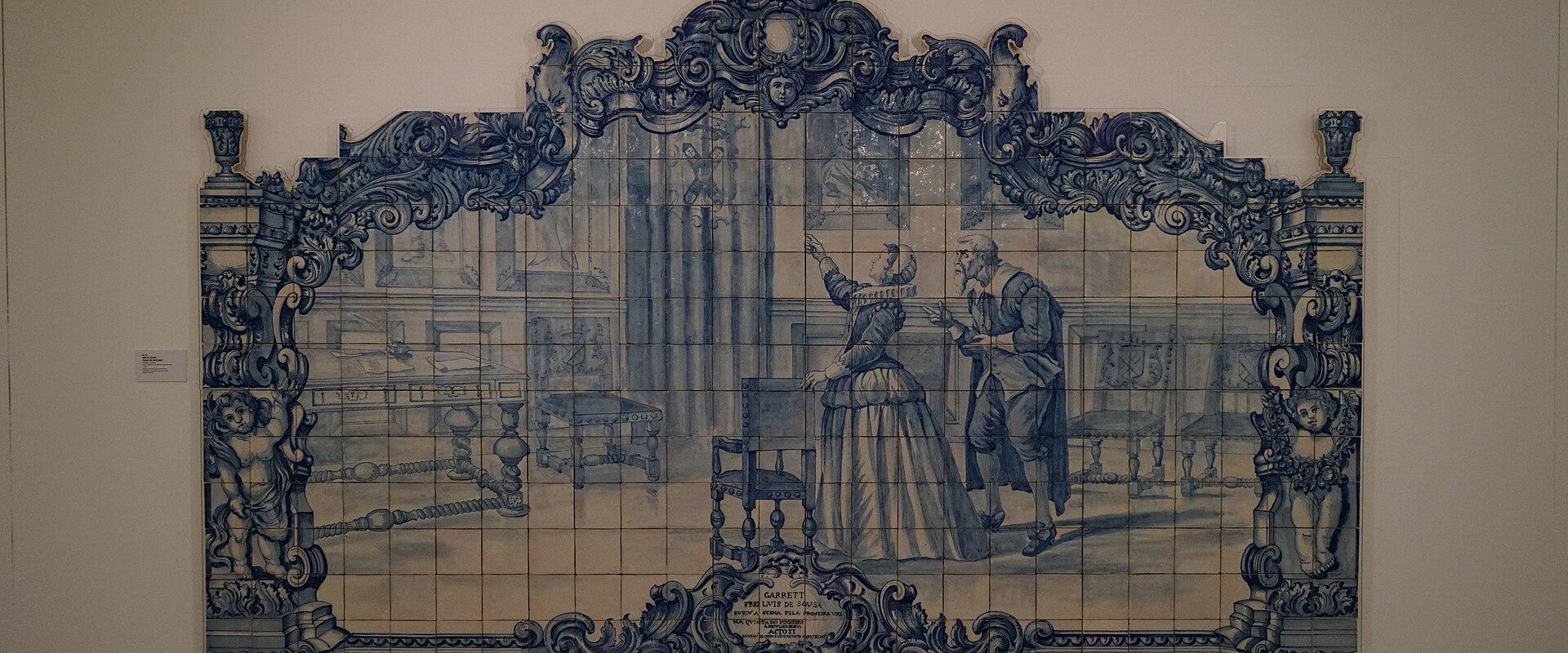
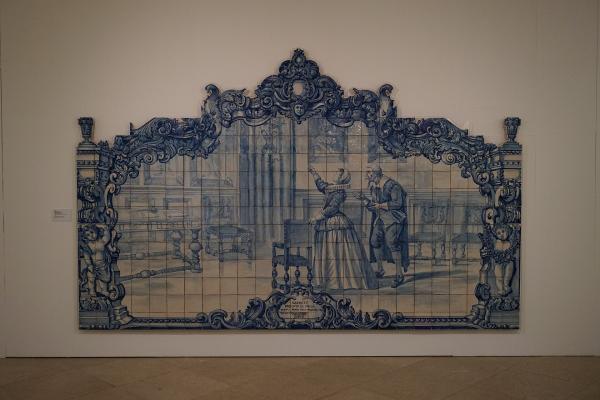
The collection tells the story of tile making from its Hispano-Moorish roots to modern times. Early rooms show the geometric tiles brought from Seville and Valencia in the 15th and 16th centuries, which were cut and assembled into patterns, and then the Italian-influenced painted panels of the 16th and 17th centuries, which changed the art into one of pictures. The best-known period is the 17th and 18th centuries, when the blue and white palette became popular, and huge panels with hunting scenes, gardens, and religious subjects were made for palaces and churches. Later sections show 19th-century factory-made tiles, Art Nouveau patterns, and contemporary works by modern artists.
The star of the museum is a vast panel of the Lisbon waterfront, about twenty-three metres long, painted around 1700 on thousands of tiles. It shows the city as it was before the earthquake of 1755, with the palace on the riverside, churches, and ships, and it is an important historical document as well as a work of art.
The museum is reached by bus from the centre or on foot from Santa Apolónia station, and it is not far from the river. Opening days and prices vary, so check before going. It suits art lovers, history readers, and designers, and a visit takes about two hours.
Categories
More photos coming soon
Admission Fees
Admission
Free for holders of the Lisboa Card
Nearby Attractions
Other places to visit in Lisbon

Frequently Asked Questions
Quick Facts
Free for holders of the Lisboa Card
Best Time to Visit
March to May and September to October offer warm weather, fewer crowds, and ideal conditions for sightseeing and outdoor activities in Lisbon.