






Museu Nacional Do Azulejo
Historic Portuguese tile art in former convent
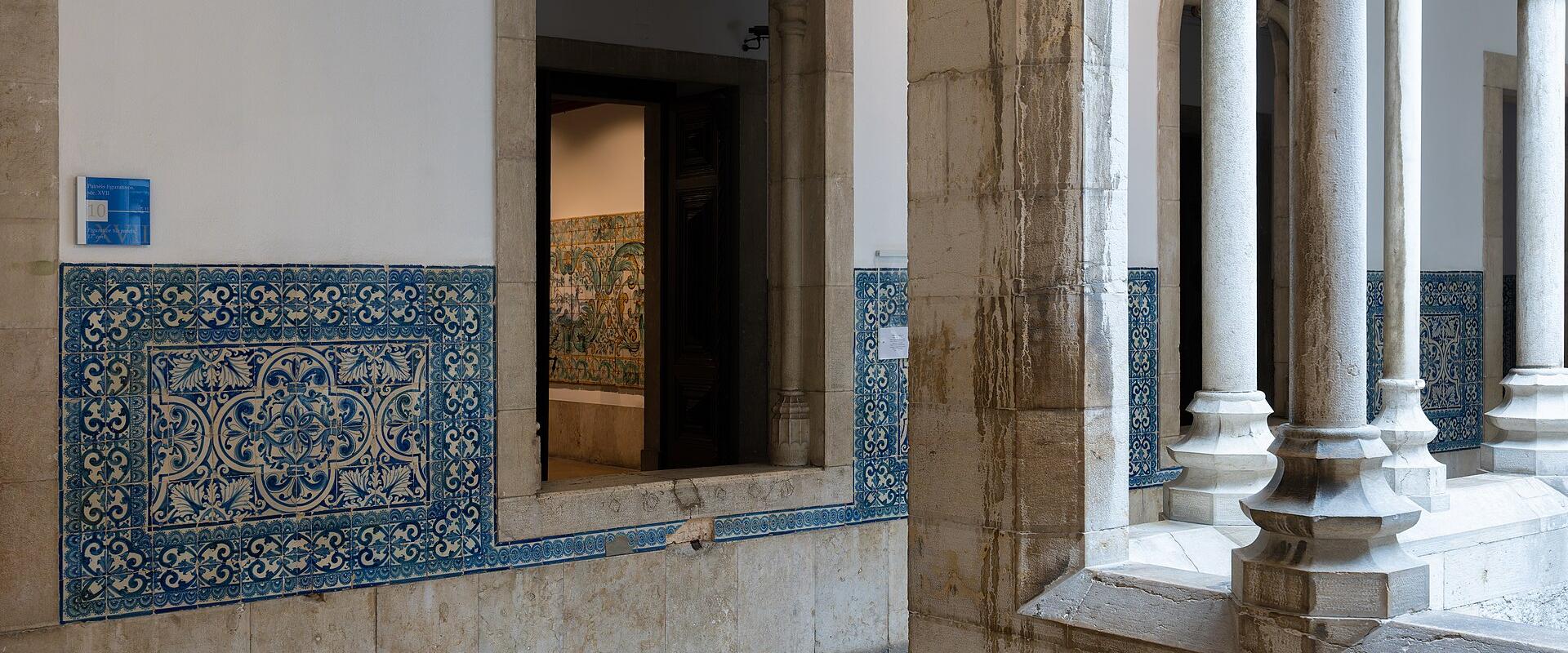
A visit to the Museu Nacional do Azulejo is partly a visit to a convent, and the building deserves as much attention as the tiles. The Convento da Madre de Deus was founded in 1509 by Queen Leonor, widow of King João II, who chose a site by the Tagus in the eastern outskirts of Lisbon, and it housed nuns of the Poor Clares. The Manueline portal of the church survives from this first period, a carved doorway with ropes, spheres, and the emblem of the queen, and it is one of the few parts that came through the earthquake of 1755, which severely damaged the convent. Most of the interior seen today was rebuilt in the 18th century under King João V, who was a lavish patron of church decoration.
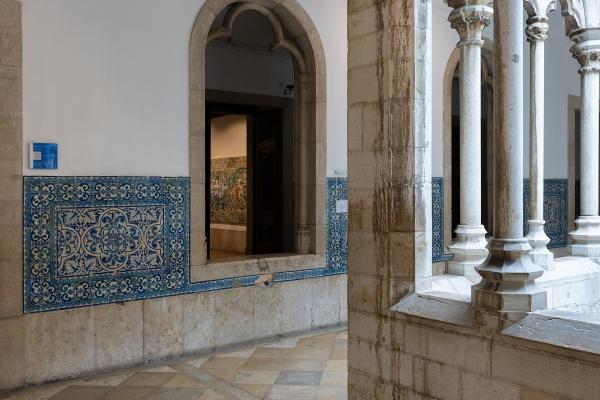
The church is the main surprise. Its single nave is covered with gilded woodwork, carved into vines, cherubs, and flowers, and painted ceilings and large canvases fill the walls above panels of blue and white tiles that depict scenes from the life of Saint Anthony and other subjects. The effect is overpowering and warm, an example of the exuberance of the Portuguese Baroque, and many visitors find it more memorable than the displays elsewhere. The chapels and choir are also richly decorated, and the large lower cloister, with its pale stone arches, offers a calm contrast.
The museum was established in the 1960s to collect and show the country's tile heritage, and it occupies the convent's galleries around the cloister. The rooms follow a rough chronology, starting with early tiles and ending with contemporary pieces, and they are laid out so that visitors can walk through five centuries in about two hours. The great panorama of Lisbon, some twenty-three metres long, is displayed in a long upstairs gallery, and it shows the city's waterfront as it was before the earthquake. A café in the former convent kitchen, with a tiled interior, and a small shop with reproductions are useful stops.
The museum is in the district of Madre de Deus, east of the old centre, and is reached by bus from the centre or on foot from Santa Apolónia station along the riverside. Because it is away from the main sights, it tends to be quieter. Opening times vary, with a weekly closing day, and fees apply, so check before going.
It suits design lovers, art readers, and anyone interested in Baroque interiors. Allow two hours, and visit the church first while it is quiet.
Categories
More photos coming soon
Nearby Attractions
Other places to visit in Lisbon

Frequently Asked Questions
Quick Facts
Best Time to Visit
March to May and September to October offer warm weather, fewer crowds, and ideal conditions for sightseeing and outdoor activities in Lisbon.