



National Tile Museum (Museu Nacional Do Azulejo)
500-year azulejos in 16th-century convent
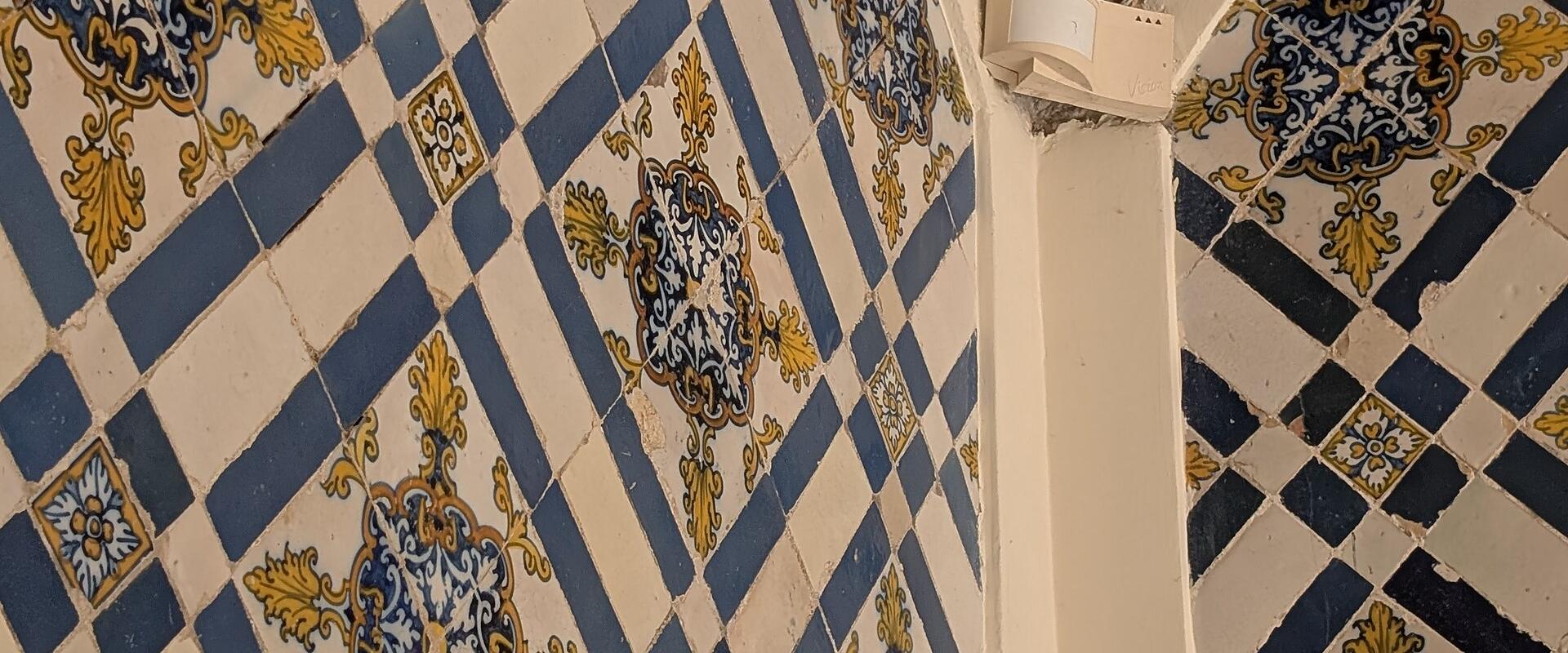
Tiles are the one art form that Portugal has made entirely its own, and the Museu Nacional do Azulejo in Lisbon explains how that happened. Housed in the former convent of Madre de Deus, founded in 1509 by Queen Leonor, the museum follows the development of the azulejo over about five centuries, from the geometric tiles of the Moorish tradition to the work of contemporary artists. A visit is a good way to understand why so many facades, stations, and churches in the country are covered with painted ceramic.
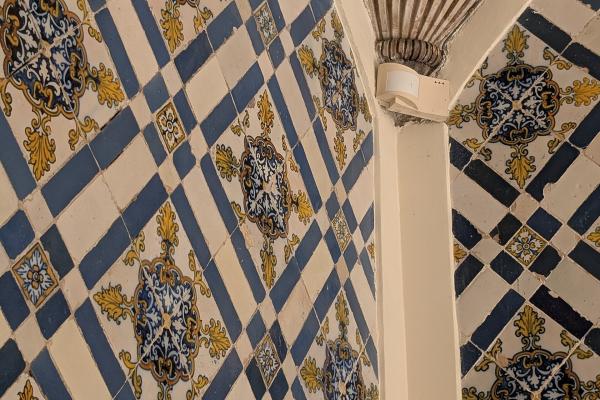
The story starts with imported Hispano-Moorish tiles, made in the workshops of Seville and Valencia. These were cut from coloured glazed slabs and assembled like mosaics, and later made by pressing patterns into the clay so that glaze would not run between the colours. The Portuguese adopted them in the 15th and 16th centuries, and the museum shows early examples with their intricate geometry. Soon painters began to use flat, glazed tiles as canvases, working in the tin-glazed technique known as majolica, and the pictorial azulejo was born. By the 17th century, workshops in Lisbon were producing tile carpets with repeated designs, and by the 18th, the blue and white panels that are most associated with the country filled churches and palaces with biblical stories, hunting parties, and gardens.
The museum is also a window into craft and industry. Display cases and workshops show how tiles are moulded, painted, and fired, and how in the 19th century the invention of printing methods and mechanised production brought tiles to ordinary houses, covering facades in bright patterns. In the 20th century, artists used them in new ways, including Maria Keil, who designed many panels for the Lisbon Metro stations, and a number of painters who experimented with ceramic. The most famous exhibit is the great panel of Lisbon, some twenty-three metres long, painted around 1700, which shows the city's waterfront before the 1755 earthquake, with its buildings, ships, and crowds in remarkable detail.
The convent's church is a Baroque jewel of gilded wood, paintings, and tile, and the cloister and a quiet café in the former kitchen add to the visit. The museum lies in the eastern part of the city, away from the main sights, and can be reached by bus or taxi. Opening days vary, and it is generally closed on Mondays.
It suits design lovers, history readers, and families with older children. Allow two hours.
Categories
More photos coming soon
Nearby Attractions
Other places to visit in Lisbon

Frequently Asked Questions
Quick Facts
Best Time to Visit
March to May and September to October offer warm weather, fewer crowds, and ideal conditions for sightseeing and outdoor activities in Lisbon.