


New Cathedral Of Coimbra (Sé Nova)
Former Jesuit church with Baroque interior
Coimbra has two cathedrals within a few hundred metres of each other, and the contrast between them is one of the best lessons in architecture the city offers. The Sé Velha, the Old Cathedral, is a severe Romanesque fortress of the 12th century. The Sé Nova, the New Cathedral, is a broad, light Mannerist church of the late Renaissance, built not as a cathedral at all but as the church of the Jesuit college. It stands on the hill in the upper town, a short walk from the university.
The Jesuits arrived in Coimbra in the middle of the 16th century and set up a college that became one of the major teaching institutions of the order in Europe. Construction of their church began in 1598, and it took a long time to complete, which is why the building mixes elements from different phases. The design follows the model of the Gesù, the mother church of the order in Rome, a plan that was copied across the Catholic world: a wide single nave without aisles, side chapels opening off it and a large crossing with a dome. The broad nave made it possible for large congregations to see and hear the preacher, an important element in the Counter-Reformation strategy. In 1759, the Marquês de Pombal expelled the Jesuits from Portugal, and the college and church passed to other uses. In 1772, the seat of the diocese was moved here from the Old Cathedral, which was in poor condition, and the church became the New Cathedral.
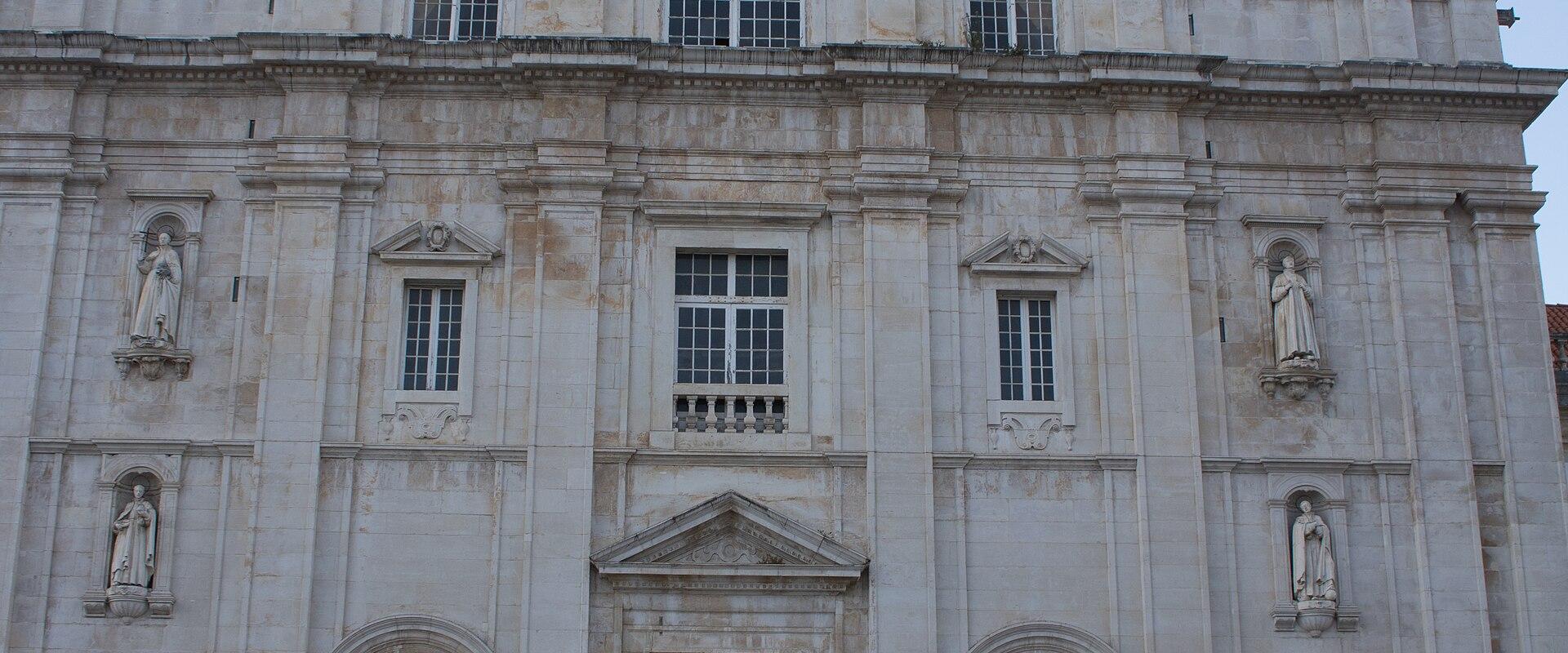
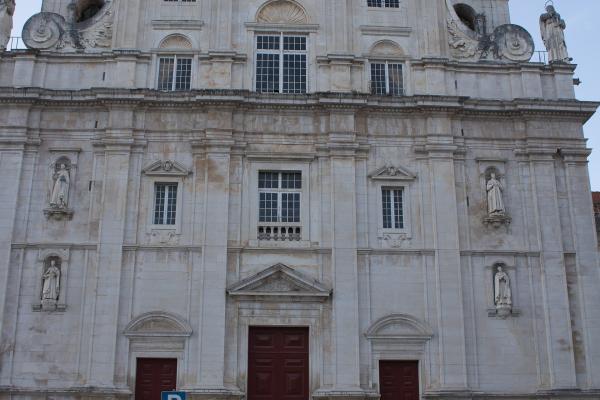
The facade is a lesson in restraint. Two bell towers frame a central block with a series of niches that hold statues of Jesuit saints, and the stone is pale and finely worked, in a style which became a model for Jesuit churches in Brazil and the Portuguese colonies. The interior is surprisingly high and open, and the contrast with the plain exterior is the pleasure of the visit. Gilded Baroque altarpieces fill the transepts and chapels, with a monumental high altar of carved and gilded wood rising behind the sanctuary, and the walls and vault are decorated with paintings and stucco. A large organ sits in the choir loft. The overall effect is of brightness and drama rather than the gloom of the older cathedral.
The cathedral is free to enter, and opening hours vary through the week, with a midday closure on some days and shorter hours on Sundays, so check the posted times. It remains a place of worship, so visitors should dress modestly and keep quiet during services. A visit takes about half an hour.
Close by are the Machado de Castro National Museum, built over the remains of a Roman cryptoporticus, the Old Cathedral and the university's Paço das Escolas. Climbing the steep streets from the lower town is part of the experience, so wear comfortable shoes. The Sé Nova suits anyone interested in religious architecture and in the history of the Jesuits, and it is a good place to see how Baroque art could be used to persuade as well as to please.
Categories
More photos coming soon
Nearby Attractions
Other places to visit in Coimbra
Frequently Asked Questions
Quick Facts
Best Time to Visit
Spring (March-May) and autumn (September-October) offer warm, pleasant weather and vibrant city life for exploring Coimbra’s historic sites and gardens.