
Olhão is the biggest fishing port on the Algarve coast and one of the most authentic towns in the region, and its streets show a side of the Algarve that many visitors miss. The town sits on the edge of the Ria Formosa lagoon, east of Faro, and its history is tied to the sea, with fishing, canning, and boat building as the main trades. It grew quickly in the 18th and 19th centuries, as fishermen from other parts of Portugal settled here, and the centre developed in a dense, closely packed layout of low whitewashed houses.
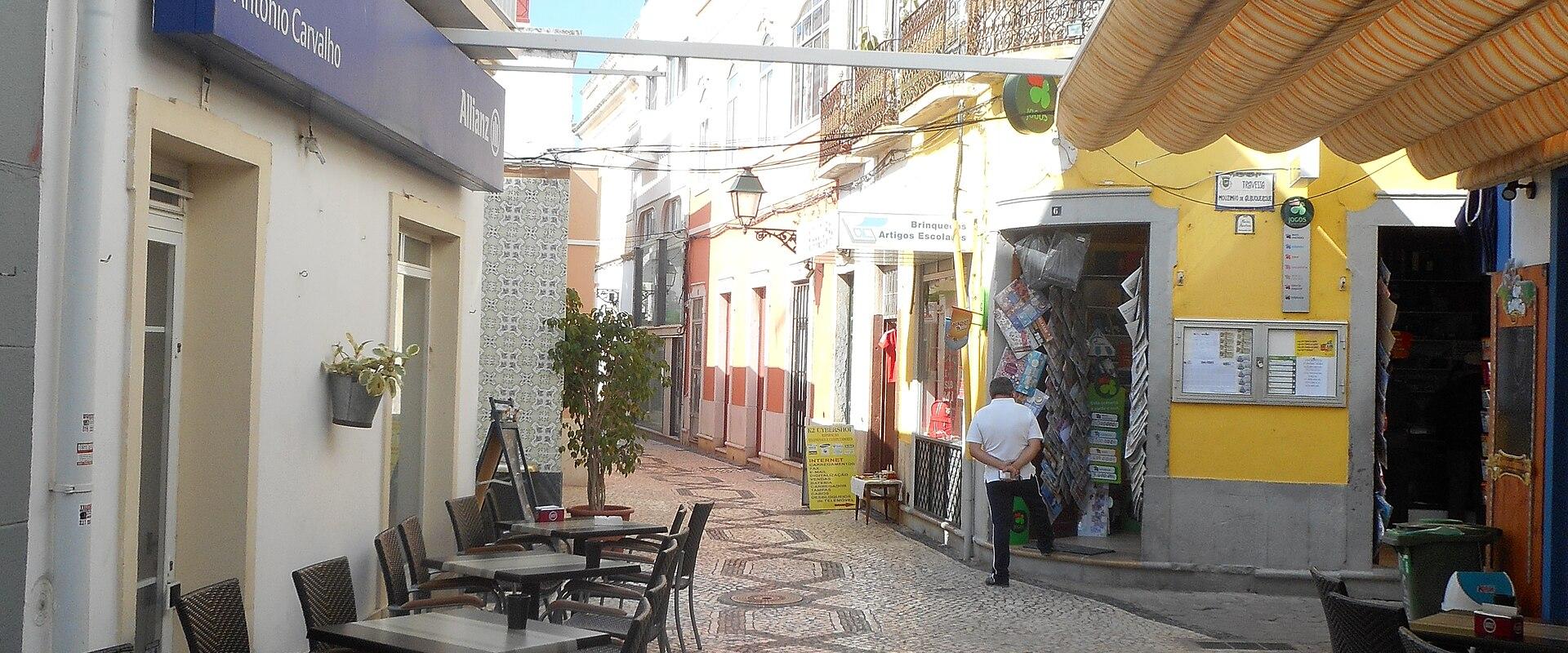
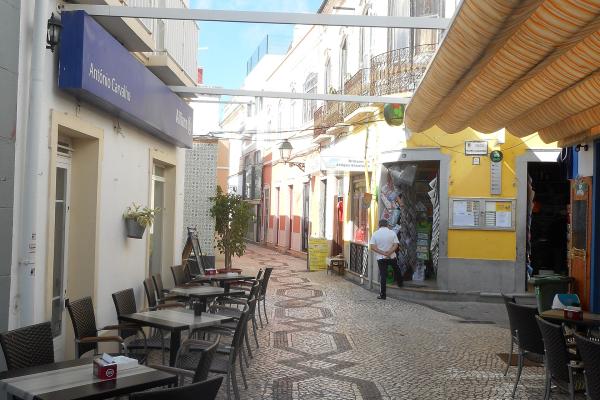
The most distinctive feature is the architecture. Many of the old houses have flat roofs with terraces, called açoteias, reached by outside stairs, and the cubic forms of the white walls have been compared to North African towns, which has led to the description of Olhão as a cubist town. The roofs were used for drying fish and fruit and for enjoying the sea breeze, and today they give good views over the town and lagoon. Streets are narrow near the waterfront, and a stroll through them reveals tiled doorways, wrought-iron balconies, small shops, and cafés where older men sit over coffee.
The waterfront has two red-brick market buildings from the early 20th century, one for fish and one for fruit and vegetables, and they are the liveliest places in town, especially on Saturday mornings, when stalls spill into the gardens outside. The fish hall is filled with fresh catches, and small restaurants nearby serve them grilled. The parish church of Nossa Senhora do Rosário, crowned by a dome and bell tower, stands in the middle of the old town. Street art, sculptures, and murals in some of the lanes add a modern touch.
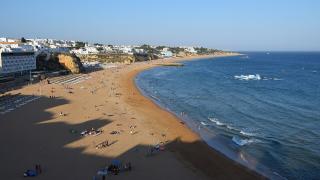
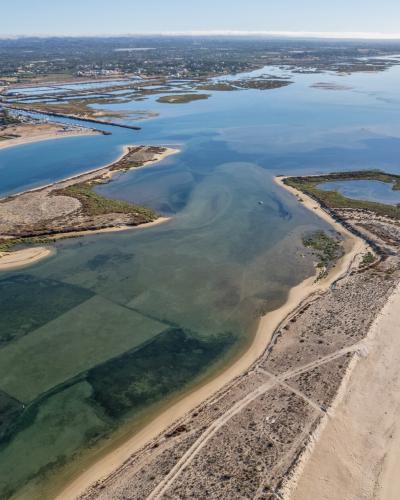
Olhão is also the departure point for ferries to the barrier islands of the Ria Formosa, such as Culatra and Armona, whose long sandy beaches are reached by short boat rides and lie within a protected natural park. The town has a famous place in local history, because in 1808 a group of its fishermen sailed a small boat across the Atlantic to Brazil to bring news to the Portuguese court of the expulsion of the French from the Algarve, an episode that is still celebrated locally.
The streets are best explored on foot, without a plan, and the town suits those who like markets, food, and everyday life more than resort entertainment. Visit in the morning for the markets, and finish with a ferry to the islands.
Categories
More photos coming soon
Frequently Asked Questions
Quick Facts
Best Time to Visit
Late June to early September offers hot, sunny weather for island beaches; spring and autumn are mild and ideal for markets and exploring the old town.