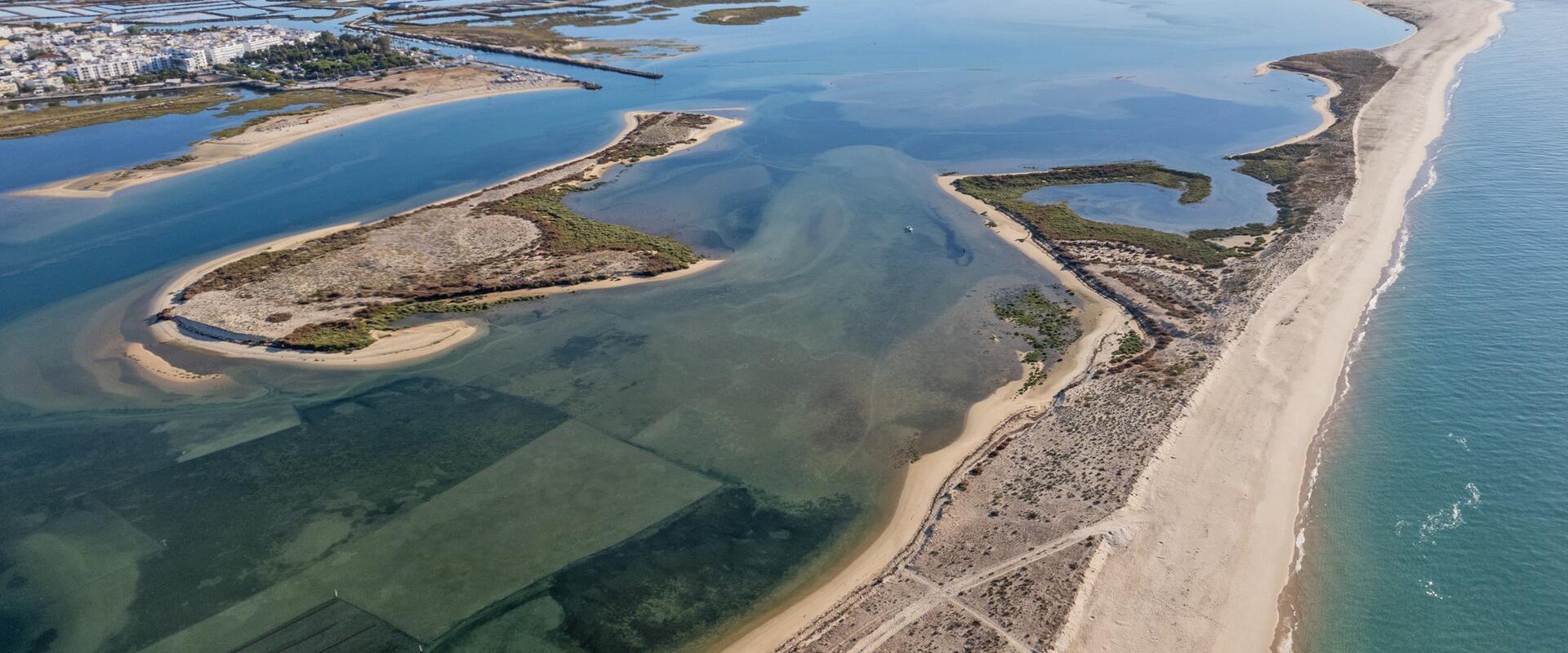
Ria Formosa Barrier Islands
Natural barrier islands in Ria Formosa lagoon
The barrier islands of the Ria Formosa are a string of long, low sandbanks between the lagoon and the open Atlantic, and from Olhão you can reach several of them in minutes. They differ from one another in mood, and the best way to use them is to choose according to what you want: a lively beach day, a walk through a fishing village, or a long empty shore. Cars are banned or very restricted on the islands, so everything moves on foot, by bicycle or by boat.
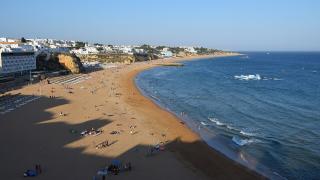
Armona is the closest and the easiest. A ferry from Olhão crosses in about fifteen minutes, and the island has a wide beach on the ocean side, a small cluster of summer houses and a few cafes and restaurants that open in season. A boardwalk crosses the dunes from the landing to the beach, and in July and August the island fills up with families from the mainland, though even then you can walk along the sand away from the crowd. Out of season it is almost deserted.
Culatra is different, because people live here all year. Two settlements share the island, the village of Culatra and the one near the lighthouse, known as Farol, and their sandy lanes, wooden boardwalks and small pastel houses give them a distinctive atmosphere. Fishing and shellfish gathering are the main occupations, and boats are drawn up on the sand. Restaurants serve the day's catch, often grilled on the spot, and the lighthouse at Cabo de Santa Maria, one of the tallest in Portugal, stands at the island's southern tip, with a long beach on the ocean side. It is a good place to get a feel for the traditional life of the lagoon.
Further out lies the Ilha Deserta, formally the Ilha da Barreta, the southernmost point of mainland Portugal. It has no permanent residents and almost no buildings, only a long beach, a boardwalk and a restaurant that works in summer, and it is reached by boat from Faro or Olhão. The sense of emptiness here is the attraction, though shade and services are minimal, so bring supplies. To the east, the Ilha de Tavira stretches for several kilometres, with a quiet, wide beach served by a short ferry from Tavira, and near the Barril end stands a curious sight, the cemetery of anchors, a line of old tuna-fishing anchors set upright in the sand.
Practical points: ferries and water taxis run frequently in summer and less often in winter, so check the timetable and the time of the last return before you set out. Tides affect the channels, and some boats cannot land at low water. The sun is strong and there is little shade, so bring a hat, water and sunscreen. Respect the dunes and nesting areas, and keep to the boardwalks. The islands suit beach-goers, walkers and bird watchers.
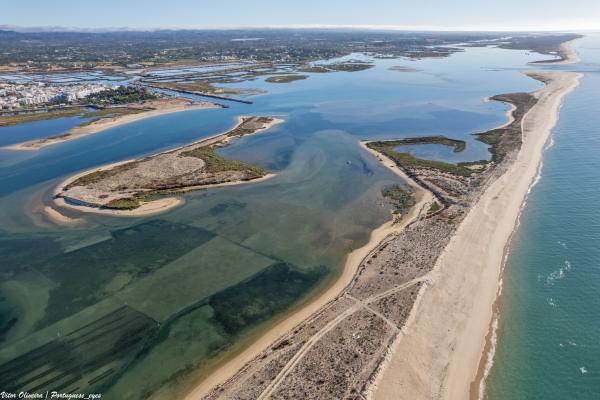
More photos coming soon
Frequently Asked Questions
Quick Facts
Best Time to Visit
Late June to early September offers hot, sunny weather for island beaches; spring and autumn are mild and ideal for markets and exploring the old town.